A Complete Analysis of Black Beauty Watermelon Seed Characteristics and Planting Key Points
Black Beauty watermelon seeds are the propagation seeds of the common watermelon variety Black Beauty. Black Beauty is a mid-early maturing small watermelon; its fruit is oblong-oval, the rind is dark green with indistinct dark stripes, the rind is thin and tough, and it stores and ships relatively well. The flesh is deep red, crisp and sweet, with a fairly high sugar content; a single fruit usually weighs between two and four kilograms. It is well accepted by the market and is one of the main varieties grown in many production areas.
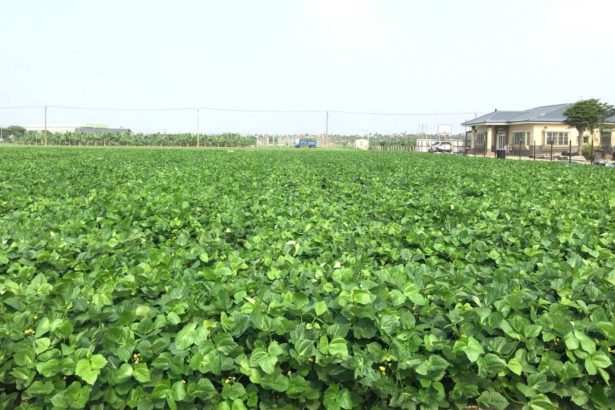
This variety has fairly strong growth vigor, good branching, tolerance to heat and moisture, and wide adaptability. It can be cultivated in the open field and in greenhouses, and can be sown in both spring and autumn. However, it is likewise averse to continuous cropping; growing melons on the same land year after year tends to worsen soil-borne diseases such as Fusarium wilt, so in production it is usually rotated with non-cucurbit crops for more than two to three years to maintain growth vigor and quality.
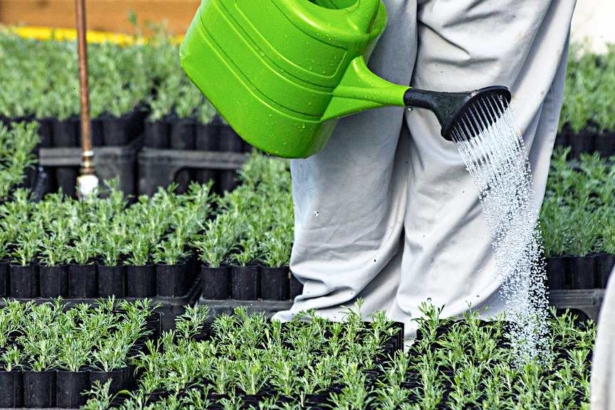
When planting, select plump seeds with a high germination rate. Before sowing, sun the seeds and soak them in warm water, then dry them and keep them warm to sprout; once the radicle shows, they can be sown into seedling trays or nutrient pots. When the seedlings have grown two to three true leaves, transplant and set them out, choosing a plot with convenient drainage and irrigation where cucurbits have not been grown previously, and apply plenty of decomposed organic fertilizer as a base fertilizer. During the vine-running stage, control water moderately; after fruit set, strengthen fertilizer and water; during the fruit-swelling stage, pay attention to turning and propping up the fruit; harvest promptly once ripe, when the flavor is best.
Home vegetable gardens can also grow it in small plots or large flower pots; as long as there is sufficient light and pollination is assisted, it can bear fruit normally as well. Those who want to save their own seeds should note that it must be grown in isolation from other watermelon varieties to avoid cross-pollination that causes seed strain mixing. When buying seeds, it is advisable to use formal channels and choose products with intact packaging and clear labeling, paying attention to the production date and germination rate; storing them in a cool, dry place in daily life is more conducive to maintaining germination capacity.
Related Reading