A Detailed Guide to the Benefits, Effects, and Nutritional Ways to Eat Wood Ear Mushroom
Wood ear mushroom is a common edible fungus, named for its ear-like shape and jet-black color. It is cultivated in northeast China, Taiwan, China, and other places, and the Zhongpu area of Chiayi in Taiwan, China, is even known as the hometown of wood ear mushroom. Once rehydrated, it has a tender texture and a crisp bite, making it suitable for cold salads, stir-fries, and soups alike, and it is a very common ingredient on the dining table.
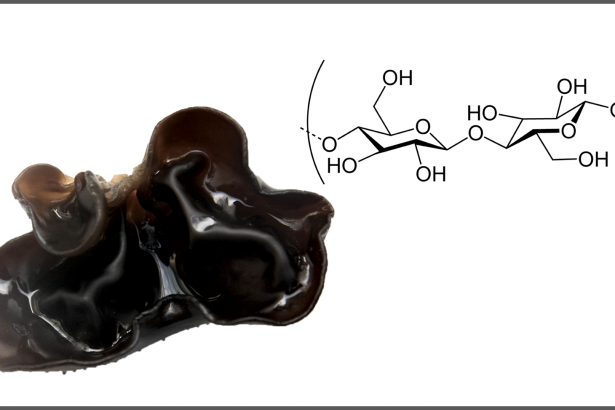
From a nutritional standpoint, wood ear mushroom is rich in dietary fiber and polysaccharides, and contains minerals such as iron and calcium, with low fat content and few calories. Dietary fiber helps promote intestinal peristalsis and increase satiety, which is also the main reason it is often included in weight-loss menus and regarded as a good helper for losing weight.
In traditional dietary concepts, wood ear mushroom is believed to have effects such as moistening the intestines and relieving constipation, and promoting blood circulation, and in folk practice it is often eaten as cold-dressed wood ear mushroom or wood ear mushroom and red date soup. However, it should be noted that wood ear mushroom is an ordinary food, and specific health benefits may only be claimed after proper certification. As part of a balanced diet it can be eaten daily, but it cannot replace medication for treatment.
There are also some points to keep in mind when eating wood ear mushroom: the dried product needs to be fully rehydrated in cold or warm water, and the soaking time should not be too long, so as to avoid bacterial growth. Before cooking, it is best to blanch it and cook it thoroughly, and when serving it as a cold dish, pairing it with vinegar, garlic, and other seasonings gives an even better flavor. In addition, people with weak gastrointestinal function or who are prone to diarrhea should control their intake, and those with special constitutions or illnesses may consult professionals before adjusting their diet.
Related Reading