Frog Facts: A Great Insect-Catching Helper in Farmland Ecosystems
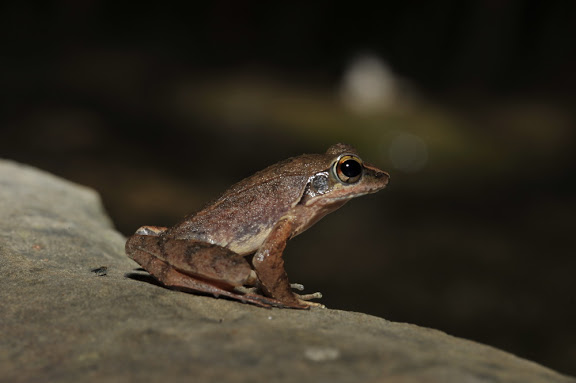
Frog is the common name for amphibians of the order Anura, and in the broad sense it covers familiar frogs such as the black-spotted pond frog, the gold-striped pond frog, wood frogs and tree frogs. Their lives go through metamorphosis: the larval tadpoles live in water and breathe with gills, and after growing limbs and gradually losing their tails, they switch to breathing with lungs, assisted by their skin, becoming amphibious adults.
Frogs have bare skin that must stay moist, and they mostly live in damp, shaded places near water such as rice paddies, ponds and ditches. As ectotherms, they burrow into the soil or dive to the bottom of the water to hibernate when temperatures drop, and emerge to become active again once spring warms the air; on nights during the breeding season, the calls of male frogs can often be heard rising and falling in chorus.
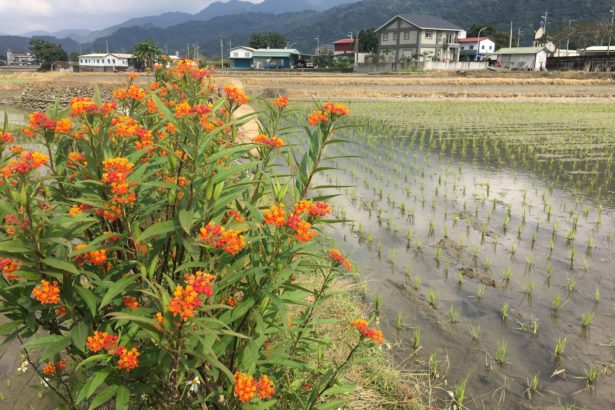
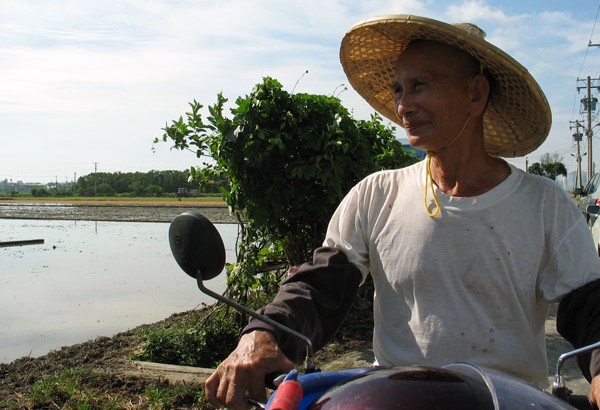
In agricultural production, frogs are widely recognized as excellent insect catchers, and their diet includes many farmland pests such as stem borers, rice planthoppers, locusts and moths; their prey intake is considerable, which helps reduce pesticide use and maintain the ecological balance of the fields. That is why many farmers engaged in ecological farming leave grass on the field ridges and use fewer herbicides, preserving habitat space for frogs and other beneficial animals.
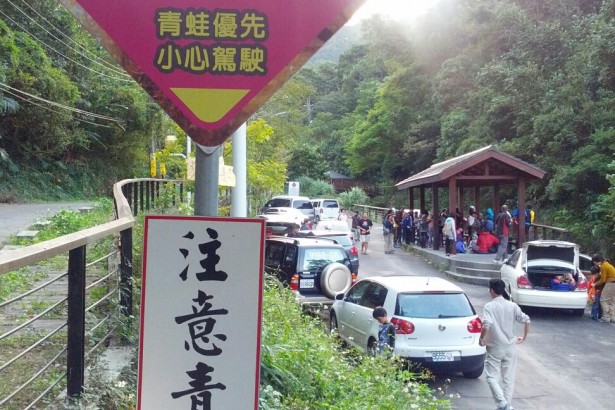
It should be noted that frogs are very sensitive to water quality and environmental changes and are often used as an indicator species for judging whether an ecological environment is good or poor. Most wild frogs are protected by laws and regulations, and catching or trading them at will may be illegal; artificial breeding also requires completing the relevant procedures in accordance with the law. Every breeding season, frogs often migrate across roads in groups, and in some places volunteers are organized to escort them safely across the road. Friends who like frogs might as well start by taking care of the wetlands and small ditches around them.
Related Reading