An Introduction to the Characteristics of the African Sharptooth Catfish and Key Points for Its Farming Management
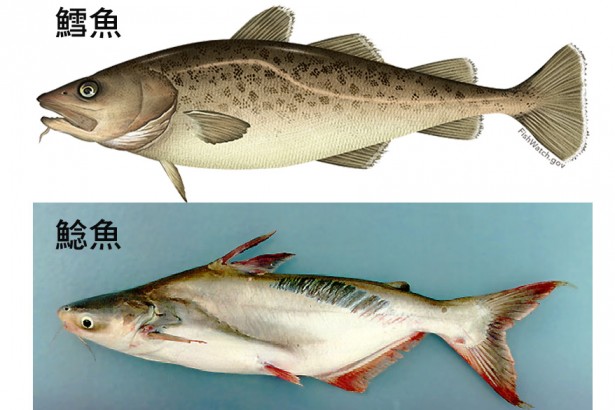
The African sharptooth catfish, also known as the Egyptian sharptooth catfish, is a large freshwater fish of the family Clariidae, native to the Nile River basin in Africa and later introduced to many parts of China for artificial farming. Its appearance is similar to that of the native sharptooth catfish, with a broad, flat head, barbels around the mouth, smooth scaleless skin, and a body color mostly gray-black or dark brown; adult fish are noticeably larger than ordinary sharptooth catfish.
The most striking characteristic of this fish is its tolerance of low oxygen. It has accessory breathing organs on its gills and can swim to the surface to gulp air directly, surviving even when dissolved oxygen in the water is insufficient, so it can still grow normally under relatively high-density farming conditions. However, it is a warm-water fish with poor cold tolerance; when the water temperature is low, it reduces feeding or even stops eating, so overwintering management requires special attention.
The African sharptooth catfish can also use the hard spines of its pectoral fins and its accessory breathing organs to crawl short distances over moist ground, and it has a strong ability to escape, so pond banks must be raised and reinforced during farming, and screens must be installed at the water inlet and outlet. Its feeding habits are relatively omnivorous; at the fry and fingerling stage it mainly feeds on plankton and small aquatic animals, while at the adult stage it can feed on small fish and shrimp, snails and mussels, as well as artificial compound feed. It grows quickly and is used in pond monoculture, polyculture, and cage farming.
In daily management, water should be changed promptly to keep the water clean, and the feeding amount should be reasonably controlled to avoid leftover bait fouling the water. Common diseases are mostly related to water quality and improper feeding, such as enteritis, gill rot, and external parasites; persisting with pond clearing and disinfection and regular water conditioning can provide good prevention, and diseased fish should be isolated and handled promptly once found.
It should be noted that the African sharptooth catfish looks similar to the native sharptooth catfish, so fry and fingerlings should be carefully distinguished when purchasing. It differs obviously from common freshwater fish such as silver carp and snakehead in body shape, mouth barbels, and living habits, so extra care in distinguishing them is enough when purchasing and farming.
Related Reading