Key Points of Split-Application Fertilization Technology: Feeding on Demand for Greater Efficiency
Split-application fertilization technology refers to a fertilization method in which the fertilizer needed for the entire growing season is applied to the field in multiple applications, based on the nutrient requirements of the crop at different growth stages. It changes the traditional practice of applying all the base fertilizer at once, matching nutrient supply with the crop's growth rhythm, and is a widely used fertilizer management measure in field and horticultural production.
The core of this technology lies in feeding on demand. Crops grow little at the seedling stage and need little fertilizer; after entering the vigorous growth stage and the flowering and fruiting stage, their demand for nutrients rises noticeably. If fertilizer is applied all at once, it can easily burn seedlings or cause nutrient loss in the early stage, while in the later stage the crop may run out of fertilizer and senesce prematurely. Applying it in split doses resolves exactly these conflicts.
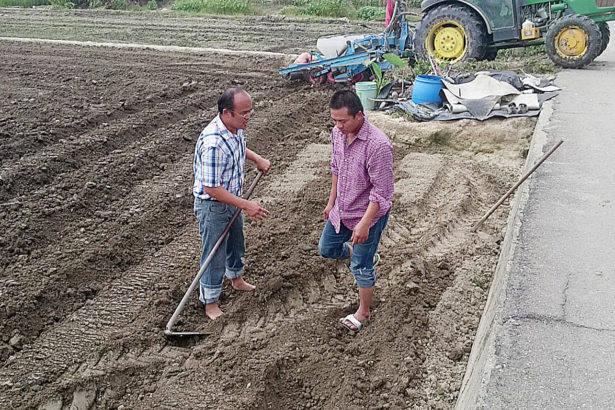
In practice, a combination of base fertilizer and topdressing is usually adopted. The base fertilizer is based on organic fertilizer, while topdressing is arranged flexibly according to the crop; for example, cereal crops are often topdressed at the tillering stage and the jointing stage, fruit vegetables emphasize fruit-swelling fertilizer after fruit set, and fruit trees can be given supplementary fertilizer after harvest to help restore tree vigor. Fertilization methods include furrow application, hole application, application with irrigation water, and foliar spraying, which can be selected according to the crop type and the nature of the fertilizer.
The benefits of split-application fertilization are mainly several. It can increase fertilizer use efficiency, reduce nutrient loss and pressure on the environment, and it also helps stabilize crop yields and improve quality, while the total amount of fertilizer used and the cost are easier to control.
When applying it, note that the timing and amount of topdressing should be flexibly adjusted according to soil fertility, weather conditions, and seedling condition. Try to avoid fertilizing before and after heavy rain, and apply deeply and cover with soil to reduce volatilization losses, so that the fertilizer is truly used at the key periods when the crop needs it most.
Related Reading