Preventive measures are the key to reducing losses in agricultural production
Prevention means taking measures in advance to guard against losses before they are caused by production activities, and it is a basic approach that runs throughout agricultural production. Compared with dealing with problems after they arise, preventing them in advance is often lower in cost, more stable in effect, and makes it easier to protect both harvest and quality.
In the planting stage, prevention is mainly reflected in preventing pests and diseases, preventing weed damage, and preventing lodging. Commonly used practices include choosing varieties with stronger resistance, practicing crop rotation, doing a good job of field sanitation and seed and seedling treatment, and reducing the conditions for disease occurrence through rational close planting and ventilation and light penetration. Working together, these measures can keep risks under control at the budding stage.
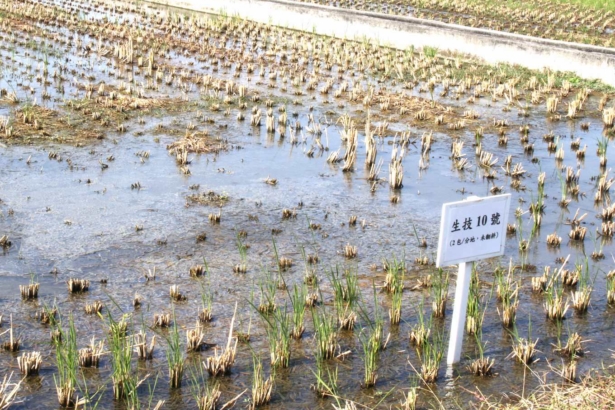
Prevention also applies at the ecological and soil levels. Methods such as straw mulching and planting grass to protect slopes can prevent soil and water loss; adding more organic fertilizer and avoiding long-term continuous cropping help prevent soil compaction and decline in soil fertility. For straw such as rice straw, rather than burning it in the open, it is better to accelerate its decomposition and return it to the field for use, which both prevents the air pollution caused by burning and replenishes soil organic matter.
In practice, it should be noted that prevention is not a one-time task, but must be adjusted in a timely way based on field observations and weather changes. Agricultural, physical and biological methods should be given priority, with pesticides used only when necessary, and strictly according to the instructions to avoid excessive input. Only by putting prevention first can production be more worry-free and more sustainable.
Related Reading