Earthworm blood is red, and like human blood it contains hemoglobin
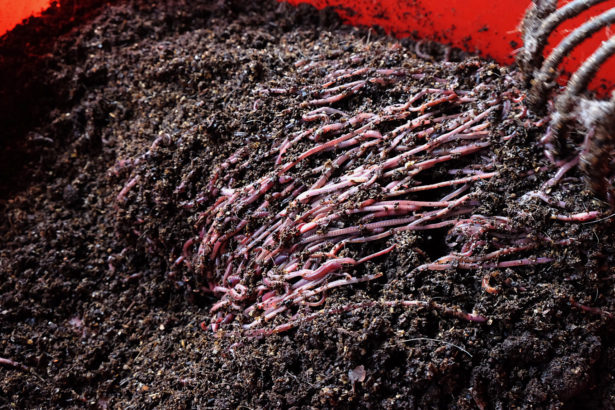
Many people have seen earthworms while turning the soil in a vegetable garden, but few have ever wondered what color their blood is. The answer is red. Although the earthworm's body structure is simple, its blood, like that of humans, contains iron-based hemoglobin that can carry oxygen, and that is why it appears red.
Unlike humans, the earthworm's hemoglobin is not packaged inside red blood cells but is dissolved directly in the plasma, so its red is often paler than that of mammals and looks pinkish or light red. Through the earthworm's slightly transparent body wall, you can often faintly see a red dorsal blood vessel pulsating, which is a sign that blood is flowing.
Earthworms have a closed circulatory system, meaning the blood always flows within the vessels and never spills into the body cavity. It relies on several pairs of rhythmically pulsating vessel arches to drive the blood flow, delivering oxygen and nutrients throughout the body. Because earthworms breathe through their moist skin, oxygen first passes through the body wall into the blood and is then carried by hemoglobin to every part of the body.
In the animal kingdom, blood color is not uniform. Some mollusks and crustaceans rely on copper-containing hemocyanin to transport oxygen, and their blood is pale blue; the blood of some marine polychaete annelids is even greenish. By contrast, the red blood produced by hemoglobin makes earthworms, lowly animals though they are, seem quite similar to humans in their oxygen-transport mechanism.
Some people mistakenly believe that earthworm blood is white, most likely because they cannot see obvious blood vessels, or because they mistake the yellowish body-cavity fluid for blood. In fact, the red liquid that seeps out when an earthworm is injured is its true blood.
Related Reading