Key Points of Winter Greenhouse Seedling Cultivation Techniques: This Is How to Grow Stronger Seedlings
Winter greenhouse seedling cultivation refers to a set of growing methods that use greenhouses and other protective facilities during cold seasons to create a suitable environment for seed germination and seedling growth. It can avoid the direct threat of severe cold and frost, allow vegetables, melons and fruits, flowers and other crops to be raised ahead of time, and buy time for early spring transplanting. It is a commonly used technical approach in winter agricultural production.
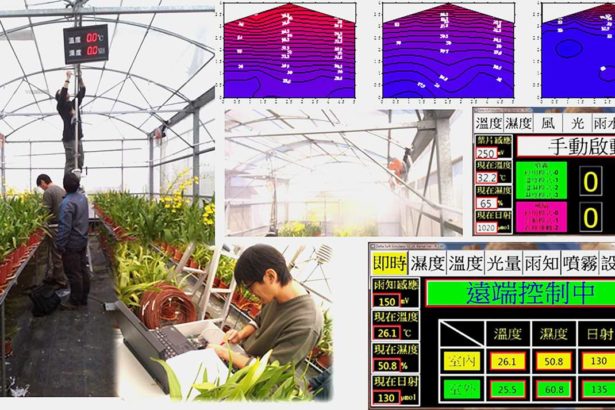
Temperature management is the core of winter seedling raising. During the day, sunlight should be used as much as possible to raise the greenhouse temperature, and at night, insulation quilts, multi-layer covers or heating equipment should be used to maintain the temperature and prevent seedlings from freezing. On sunny and warm noons, proper ventilation can be carried out to both expel moisture from the greenhouse and prevent tender seedlings from being scorched by a sudden temperature rise.
Water and light should not be neglected either. Winter temperatures are low and evaporation is slow, so watering should be done lightly and frequently, chosen on sunny mornings, to avoid overly wet seedbed soil causing root rot. Insulating covers should be wiped frequently to maintain light transmission, and after consecutive cloudy and rainy days, curtains should be lifted promptly to let in light so seedlings can grow compactly.
Common problems in winter seedling raising are damping-off, seedling blight and spindly overgrowth. Low temperature and high humidity easily induce disease. Disinfecting seeds and substrate before sowing and controlling the amount of watering can effectively reduce the risk of disease; insufficient light plus high night temperatures can easily cause thin, weak, spindly seedlings, so light should be improved and the day-night temperature difference reasonably regulated. After a few days of low-temperature hardening before transplanting, the survival rate of seedlings after transplanting will increase noticeably.
Related Reading