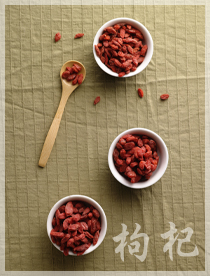
Goji berries have diverse functions and are a common food-and-medicine dual-purpose ingredient.
Goji berries are the ripe fruit of plants in the genus Lycium of the nightshade family, with those produced in the Ningxia region being the most famous. After drying, the fruit is red or orange-red and tastes sweet with a slight sourness. It can be used both as a food ingredient and often as medicine, making it a typical food-and-medicine dual-purpose ingredient. In folk practice it is commonly used to make infused water, congee, soup or wine.
From a traditional perspective, goji berries are often believed to nourish the liver and kidneys and to benefit essence and brighten the eyes, and they are mostly used in daily conditioning and as part of tonic combinations. From a nutritional perspective, goji berries contain Lycium barbarum polysaccharides, carotenoids, betaine, and various vitamins and minerals, making them a dried-fruit ingredient that is relatively rich in nutrients. However, the specific health effects of the related components still require more research to confirm, and moderate daily consumption is relatively prudent.
In daily consumption, goji berries can be chewed directly, brewed in warm water as a tea substitute, or added to congee and soup to cook together, and pairing them with red dates, silver ear fungus and the like is also very common. The general population can simply consume them in moderation. If you are taking medication, have a sensitive constitution, or have a chronic disease, it is best to consult a doctor first to avoid incompatibility with your own situation.
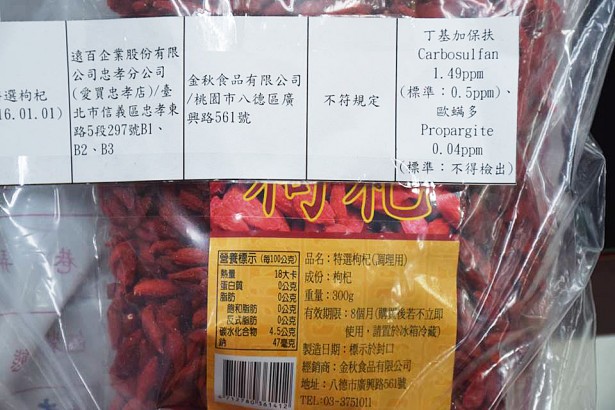
It should be noted that goji berries may have hidden pesticide residue risks during cultivation and drying, and the quality of products on the market varies. When purchasing, it is advisable to buy through proper channels, check whether the color is natural and whether there is any unusual odor, and rinse with clean water or briefly soak before eating. When storing, keep them sealed and moisture-proof, place them in a cool, dry place, and avoid dampness, mold or insect infestation.
Related Reading