Grass Carp Fishing Formula Explained: Tips for Making Your Own Groundbait and Hook Bait
The grass carp (Ctenopharyngodon idella) is a herbivorous fish that feeds mainly on aquatic plants and terrestrial plants. It has a large appetite and a wide range of activity, and it readily accepts grain-based and plant-based baits. Grass carp fishing formulas are built around the feeding habits of the grass carp, using common ingredients such as corn, wheat grains, cornmeal and wheat bran that are soaked, fermented or steamed to make groundbait and hook bait for use together.
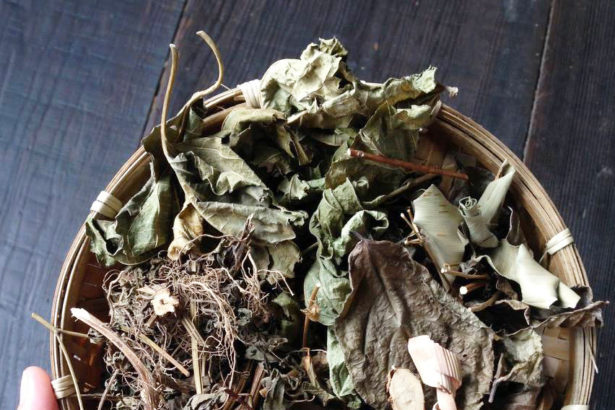
There are roughly two common approaches. One is fermented grain bait: soak old corn or wheat until soft, boil until the grains split open, then add qu liquor and a small amount of sugar and seal to ferment. The finished product carries a wine aroma and a grain aroma, and it keeps fish in the swim for a long time when used to bait the swim. The other is a powdered homemade bait, mixing cornmeal, soybean cake powder and wheat bran in roughly proportional amounts, adding water and stirring evenly, then steaming or fermenting, and rolling it into balls to bait the swim. When putting bait on the hook, you can also use natural foods directly, such as tender corn, young reed leaves and pumpkin flowers, which grass carp also love to eat.
When using them, adjust flexibly according to the season and water conditions. In summer and autumn, when water temperatures are high and grass carp are active, fermented grain bait and grass-bundle swim baiting are especially effective; you can first put in a heavy baiting to attract fish and then wait to fish. After the weather turns cooler, fish bite more lightly, so the bait can be given a little more sweetness or fishiness, and you should try more between mid-water and bottom fishing depths.
One thing to keep in mind is that fermented baits spoil easily and should be used up as soon as possible after opening; the amount of groundbait should not be too large, to avoid the fish eating only the groundbait and not taking the hook. Fish in different waters vary in their feeding preferences, and there is no uniform standard for formulas; testing frequently and adjusting frequently is the key to making good use of grass carp fishing formulas.
Related Reading