Symptom Identification and Integrated Control Methods for Bacterial Soft Rot of Chinese Cabbage
Bacterial soft rot of Chinese cabbage is a common bacterial disease in Chinese cabbage production, caused by infection with soft rot bacteria, and it mostly occurs around the head-forming stage. After the disease sets in, the base of the leaf head and the shortened stem of the plant rot; in mild cases the outer leaves drop off, and in severe cases the entire plant rots, accompanied by a distinct foul odor. It is one of the important diseases affecting the yield and quality of Chinese cabbage.
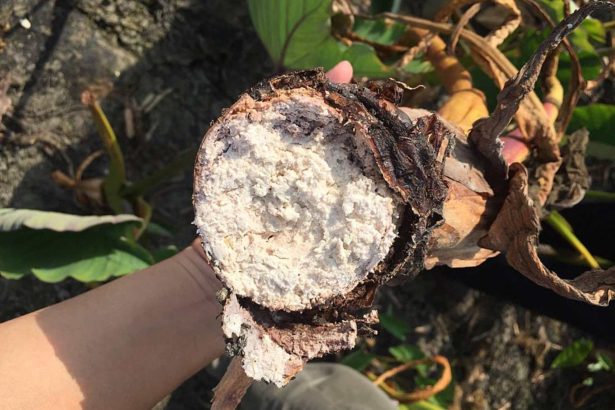
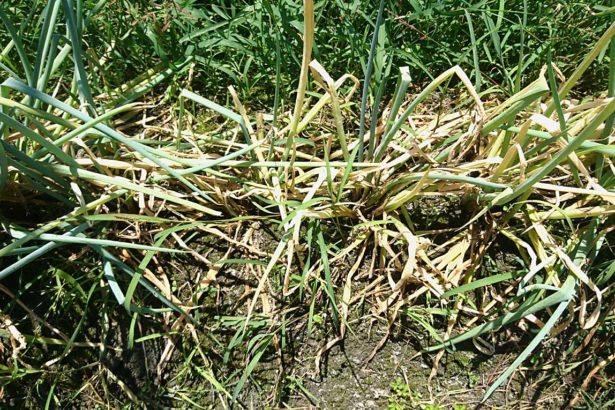
In terms of symptoms, water-soaked lesions appear at the base of the outer leaves or on the leaf stalks in the early stages of the disease, after which the tissue softens and sinks, gradually rotting and exuding juice, and the leaves fall off easily at a touch. When field humidity is high, temperatures are on the high side, water accumulates, or there are many wounds from insect damage, the disease spreads rapidly, and patchy outbreaks are not uncommon.
The pathogen mainly overwinters on diseased plant residues in the soil and spreads via splashing rain, irrigation water and the activity of pests, mostly entering through wounds. Therefore, plots that are watered too frequently, are low-lying, or have been continuously cropped with the same crop year after year tend to suffer more severe disease and require extra attention.
For control, the main approach should be agricultural measures, supplemented by chemical control. Practice crop rotation with non-cruciferous crops, use high-ridge cultivation and pay attention to drainage, promptly pull out diseased plants, sprinkle lime in the planting holes for disinfection, and at the same time control cabbage caterpillars, soil pests and other pests to reduce wounds. In the early stages of the disease, copper-based preparations or agricultural streptomycin-type agents can be used as sprays or soil drenches; alternating the agents gives better results, and combined with controlled watering and fertilizing, this helps the plants recover and grow vigorously.
Related Reading