Tea Oil Tree Planting Techniques and Management Essentials: From Seedling Selection to Harvest in One Guide
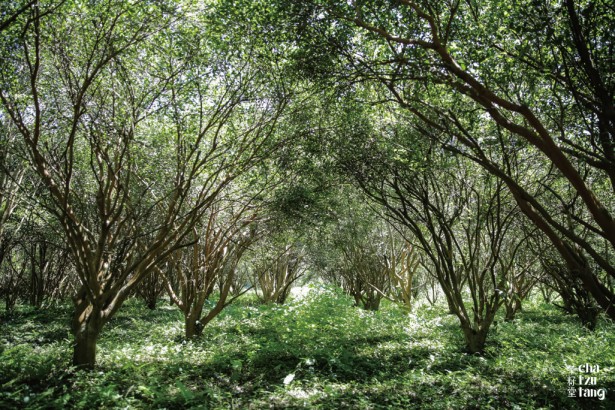
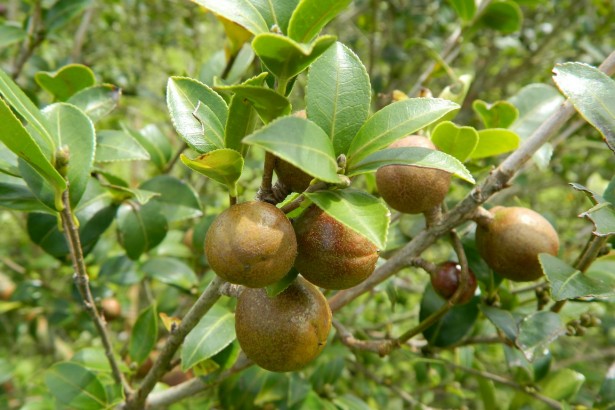
The tea oil tree generally refers to the oil tea camellia (Camellia oleifera), an evergreen small tree or shrub of the family Theaceae. Its seeds can be pressed to obtain tea oil, also commonly known as bitter tea oil. It has a long lifespan and strong adaptability, and once planted it can be harvested continuously for many years, so it is regarded as an economic forest tree with considerable potential.
The commonly cultivated types at present can be broadly divided into two major categories: large-fruited oil tea and small-fruited oil tea. Large-fruited oil tea has larger fruits and thicker shells, making harvesting and processing relatively labor-saving; small-fruited oil tea has smaller seeds, but its oil yield and flavor are generally well regarded. Before planting, suitable varieties can be selected according to local climate, soil conditions and market orientation.
In terms of planting management, the tea oil tree prefers a warm, humid environment with ample sunlight, and is best suited to well-drained, slightly acidic soil. Propagation can be done by sowing, cuttings or grafting. During the seedling stage, attention should be paid to weeding and moisture retention; after the trees mature, moderate pruning of leggy branches and overly dense branches is needed to let the canopy ventilate and receive light. Fertilization should mainly use organic fertilizer together with an appropriate amount of supplementary fertilizer, and during the flowering and fruit development periods, particular attention should be paid to water supply.
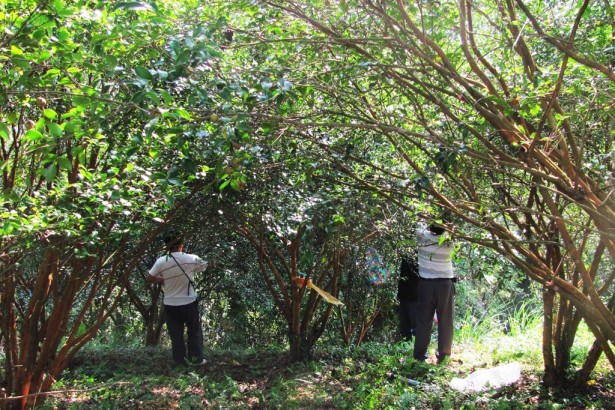
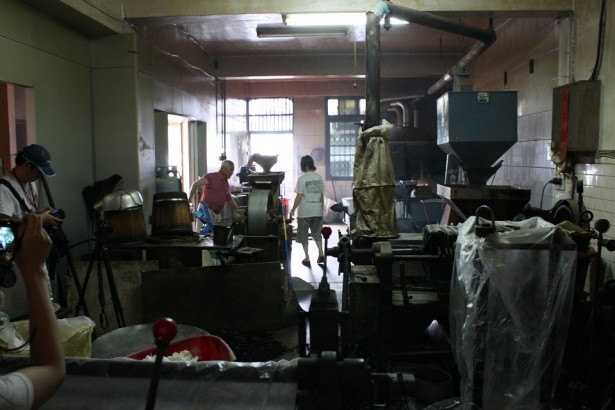
The tea oil tree usually only begins to bear fruit after several years of planting, and it takes even longer to enter a stable harvest period, so long-term management must be anticipated when planning. After the fruit ripens, the peel naturally splits open; tea seeds harvested at this time have an ideal oil content, so early harvesting should be avoided. The harvested tea seeds can be pressed for oil after sun-drying and shelling. In recent years, domestic tea oil raw materials have been in short supply, and some regions have also included oil tea in subsidized crop-conversion programs. The bitter tea oil produced is suitable for everyday cooking and is well accepted by the market.