Key Points for Growing Cabbage in Spring and Summer and Management Methods for High Temperatures and the Rainy Season
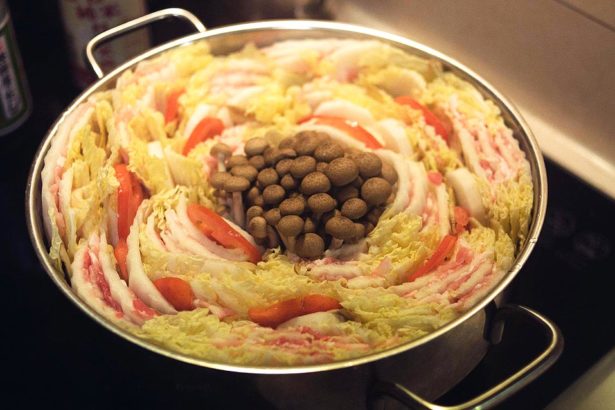
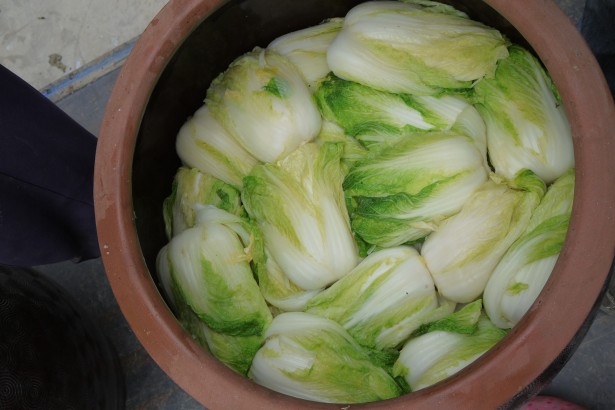
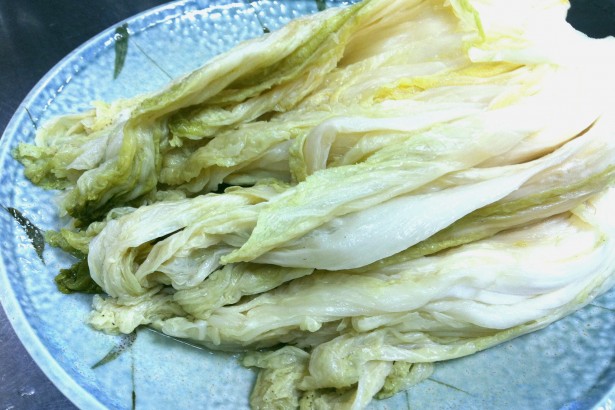
Growing cabbage in spring and summer refers to a type of production method in which cabbage is cultivated during the warming period of spring and summer temperatures, covering many types such as napa cabbage and bok choy. During this period, temperatures are relatively high and there is more rain, and cabbage grows quickly, but it is also more prone to problems such as bolting, pests, and diseases, so the management approach is clearly different from autumn and winter cultivation. In terms of variety selection, spring planting should choose varieties with strong winter hardiness that are not prone to bolting, to avoid the seedlings flowering prematurely after exposure to low temperatures; summer planting should mainly use heat-tolerant, disease-resistant varieties. Sowing can be done by direct seeding or by raising seedlings for transplanting. During high-temperature periods, appropriate shading and cooling should be provided, and the soil should be kept moist but not waterlogged during the seedling stage, which is beneficial for root development. In terms of field management, watering should be done promptly during the hot season, preferably in the early morning or evening, while drainage should also be managed well to prevent waterlogging after rain from causing diseases such as soft rot. Pests such as cabbage caterpillars, aphids, and the diamondback moth, which commonly affects bok choy, are more active in the warm season. They can be controlled through physical methods such as covering with insect-proof netting and hanging yellow sticky traps to trap and kill them, combined with routine field inspections, reducing reliance on pesticides. Cabbage has a relatively short growing period, and the time from sowing to harvest in spring and summer planting is usually shorter than in autumn and winter, allowing sowing in batches and harvesting successively to extend the supply period. The harvested cabbage is suitable for stir-frying and making soup, and can also be used to make processed products such as pickled cabbage. Small-scale planting in a home garden can also yield a considerable harvest.
Related Reading