The price of pure natural honey is influenced by nectar source yield and quality
Pure natural honey refers to bee products made from nectar collected and ripened by bees, with no added syrup or artificial concentration. Its price is usually higher than the blended honey on the market. For products of the same specification, the price may differ by several times, and the difference mainly comes from the nectar source, purity, and the supply and demand situation in that year.
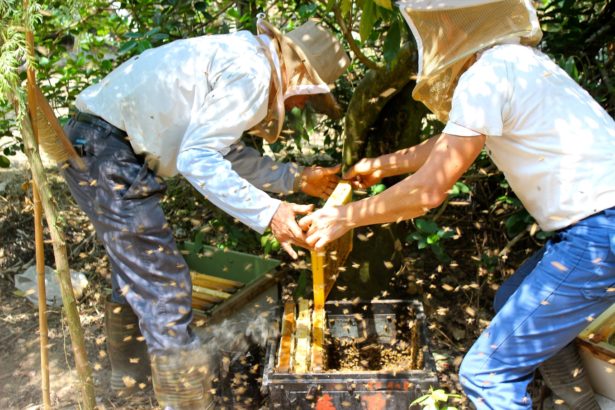
The primary factor affecting price is the nectar source and the harvest. Honey production is highly dependent on climate and flowering conditions. In years when flowering is sparse, or bees are affected by pesticides or troubled by disease, honey output drops noticeably, and both purchase prices and retail prices rise accordingly. In addition, different honey types such as longan honey, lychee honey, and mixed floral honey differ in flavor and scarcity, so their pricing is naturally different as well.
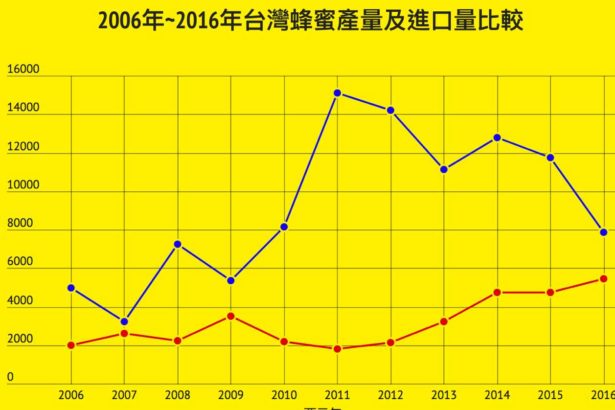
Imported honey is also one of the variables affecting the market. When domestic honey has a poor harvest, import volumes often increase, and the landed cost of imported honey is generally lower than that of local honey, which restrains market prices to some extent. However, imported honey mostly goes through long-distance transport and processing, so its quality positioning is not entirely the same as locally fresh raw honey.
When purchasing, it is advisable not to focus only on price. So-called pure natural honey sold at too low a price may be mixed with syrup or subjected to high-temperature treatment, with greater loss of active ingredients and flavor. Consumers can make a preliminary judgment by checking the ingredient list, observing the crystallization state, and smelling the aroma, and should try to buy from reputable beekeepers or brands. Understanding the production logic behind the price is more helpful for buying genuine products than simply comparing prices.
Related Reading