The Role of Pangolin Scales and an Introduction to Pangolin Conservation Knowledge
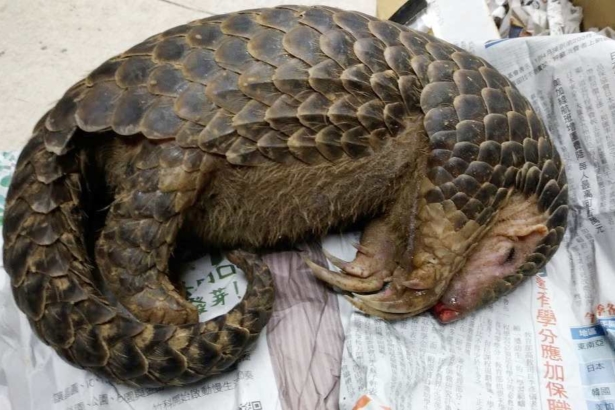
The pangolin is a mammal whose body is covered in scales. The main component of the scales is keratin, similar to that of human fingernails and hair. These scales overlap in layers on the back and the outer sides of the limbs. When in danger, the pangolin curls up into a ball, relying on its hard armor of scales to protect its soft belly. This is the scales' true function in nature.
In traditional thinking, pangolin scales were once regarded as a medicinal material, and folk lore held that they could promote menstruation and lactation, reduce swelling and discharge pus, and so on. But in terms of composition, the scales are mainly keratin, and these claimed effects have long lacked reliable scientific evidence. Modern medicine has not confirmed that they have any special medicinal value.
What is even more important to understand is that the pangolin is one of the animals most severely affected by illegal trade worldwide. All species of pangolin are listed in the highest-level international protection register, and in China they have also been upgraded to a National First-Class Protected Animal. Hunting, buying and selling, transporting and using pangolin scales are all illegal acts, and scales obtained through any channel may not be freely possessed or traded.
From an ecological perspective, pangolins feed on ants and termites and play an important role in controlling termite numbers and maintaining forest health, and they are often called the forest guard. Even where medicinal needs are involved, other ingredients can now serve as substitutes, and the public should consciously refuse pangolin products. The best attitude toward this animal is not to buy and not to use, and to support wildlife conservation.
Related Reading