Disease control in water bamboo (Zizania latifolia) starts with seed selection and field management
Disease control in water bamboo refers to the preventive and curative measures taken against the common diseases that occur during its cultivation. Water bamboo fields stay waterlogged for long periods and have high temperature and humidity, making them prone to leaf and sheath diseases such as brown spot, rust and sheath blight. If control is delayed, the leaves dry up early and the plants decline prematurely, directly affecting yield and quality.
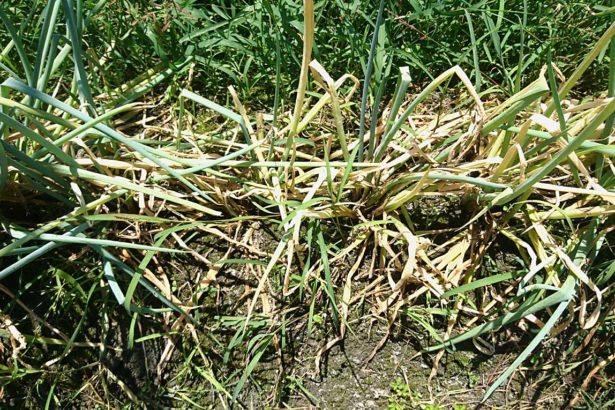
Agricultural control forms the foundation of the whole control program. When keeping seed stock, select vigorous, disease-free, undamaged mother plants as planting material to reduce the pathogen load at the source. Planting density should be reasonable to avoid a closed canopy of stems and leaves; during the growing period, remove yellow and old leaves promptly and carry them out of the field for disposal to improve ventilation and light penetration. In fertilization, limit nitrogen application, increase phosphorus and potassium appropriately, and adjust the water level according to the growth stage: shallow during tillering and somewhat deeper during the swelling stage, so as to avoid prolonged deep flooding that makes the field stuffy and damp.
Once disease appears, it must be detected and treated early. Brown spot usually shows as small brown spots on the leaves, while rust often forms powdery rust-brown raised pustules on the underside of the leaves. After clear identification, spray with the appropriate targeted fungicide in the early stage of infection, taking care to rotate chemicals and observe the pre-harvest interval. In addition, the formation of the edible fleshy stem of water bamboo depends on parasitism by the smut fungus; once the variety degenerates, gray-jiao and male-jiao plants readily appear, so superior seed clumps must be selected and retained and planting material renewed regularly to maintain the ability to form shoots.
In continuously cropped fields, disease pressure accumulates heavily. Where conditions permit, rotate with rice and other crops, or combine cultivation with fish or duck rearing as an integrated farming system, which reduces pests, diseases and weeds while increasing income. Strengthen field inspections before and after the rainy season, spray on clear days, and after harvest remove the stubble and fallen leaves. Only by carrying control measures through the entire growing period can the growth and harvest of water bamboo be assured.
Related reading