Propagating Plants by Cuttings in Low-Temperature Areas in Spring: Pay Attention to These Points and They Can Still Survive
Spring is a very suitable season for cuttings, but in some places the temperature is still rather high, so if you want to take cuttings you can only cultivate them indoors. What should you pay attention to? How can you make it easy to succeed?
1. Preparing materials
1. Choosing a container
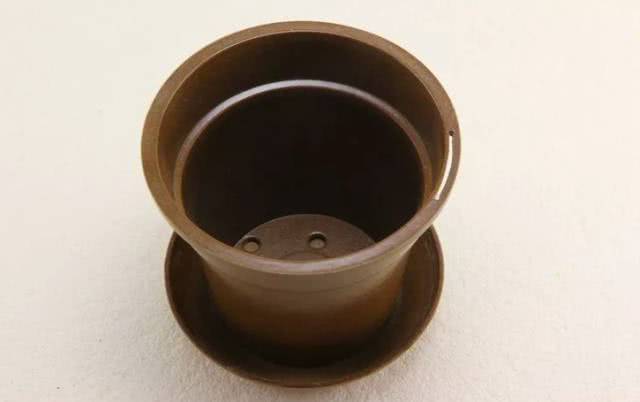
First is a flower pot with good drainage and enough drainage holes. Prepare gravel and small pebbles for the bottom layer, and choose loose potting soil as well.
Some people like to use a translucent container, thinking they can see the plant's root growth and root condition, but for drainage and air permeability, a clay pot is still quite good.
2. Soil medium
If you only want the plant to develop roots, in the early stage you can first prepare perlite or river sand. Insert the plant cuttings and keep them warm and moist, plus cover with a bag, and the success rate will be a bit faster than rooting in soil.
3. Rooting powder
Whether or not to decide to use a rooting agent still depends on what plant you are propagating by cuttings. If it is something easy to root like roses, tomatoes, or herb plants, then there is not much need for it.
After all, it is a chemical substance and cannot be used too much. Using too much will definitely affect root development. (However, you can use willow branches and leaves soaked in hot water or honey as a substitute.)
2. The plant cutting process
1. Soil preparation
The soil can be mixed with some river sand or perlite to increase drainage and air permeability. Then spray the soil wet, moist but do not soak it through. If it is too wet, it is also not very suitable.
2. Treating the plant cuttings
The scissors used to cut the cuttings must definitely be sterilized, and they must be sharp. Cut diagonally along the plant stem. Here I am using a Christmas cactus as a demonstration.
Cutting diagonally can increase the contact area between the cutting and the soil, and its rooting area will also be larger, making it easier to root.
If it is other cuttings, remove the lower leaves, leaving only 4 leaves at the top. Also remove excess flower buds. Do not keep flowers when taking cuttings.
You can dip it in rooting powder (just dip the bottom a little). If you decide to use it, just dip a little, or you can mix it with water and soak it in the solution for a few minutes.
3. Cutting treatment
Use your finger to dig a small hole, bury the plant stem in the soil, bury about 1/4 of it, and press the soil slightly.
If the temperature where you are is still very low, below 17°C, then propagation by cuttings is not so easy. In that case, we can cover it with a bag. The Christmas cactus cutting is not tall, so I directly cover it with plastic wrap.
If it is another taller cutting, then you need to use a standing plastic bag to avoid the plastic bag touching the cutting. You can make some supports.
4. Placement
Place the potted cutting in a warm, ventilated place with scattered light, and open the film for 3 hours at noon every day. (You can also poke several more holes in the plastic wrap.)
Spray water frequently to keep the potting soil slightly moist but not wet, and there must be no water accumulation. Spray the plant with a little misty water every day. In 1~2 weeks, you will be able to see them begin to grow roots.