A Detailed Guide to the Role of Gardenia Roots and Key Care Points
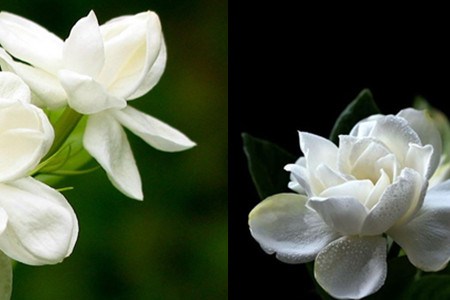
The gardenia root is the root of the gardenia, a plant in the madder family (Rubiaceae). It is both a common traditional medicinal material and the foundation on which the gardenia plant depends for growth. The gardenia is an evergreen shrub, grown fairly widely in southern China. Its root system is relatively shallow, with well-developed fibrous roots mostly distributed in the surface layer of the soil, and it is quite sensitive to changes in moisture and soil acidity.
From the standpoint of applications, gardenia root is widely recorded in folk and traditional medicine. It is generally dug up, washed, sliced and dried in the sun for storage, and is often considered to have uses such as clearing heat and draining dampness, and is mostly used in combination with other medicinal materials. It should be noted that specific medicinal use should be discussed with a professional physician, and digging it up and taking it on one's own is not recommended, to avoid causing discomfort.
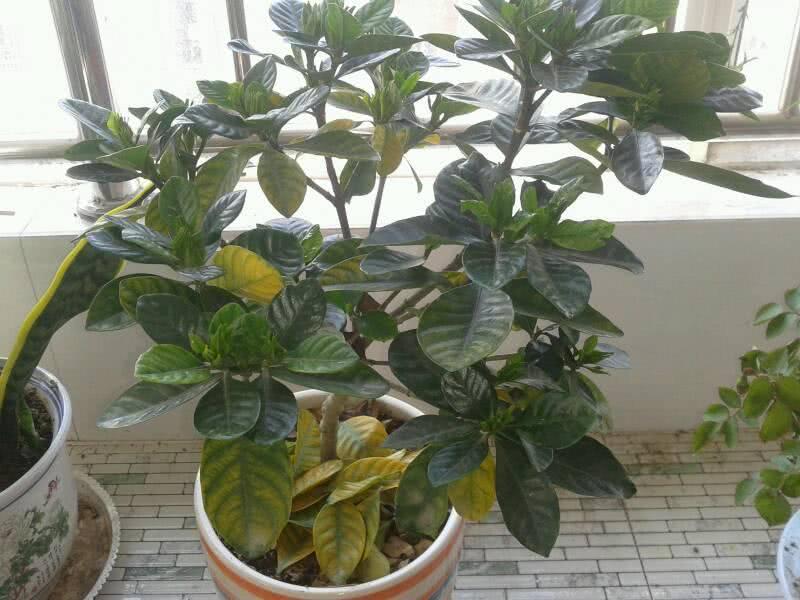
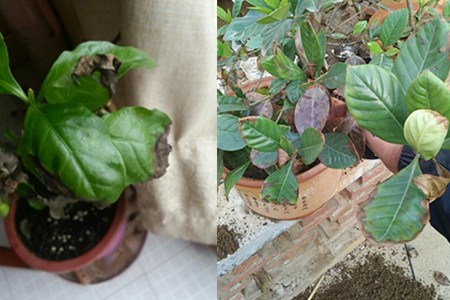
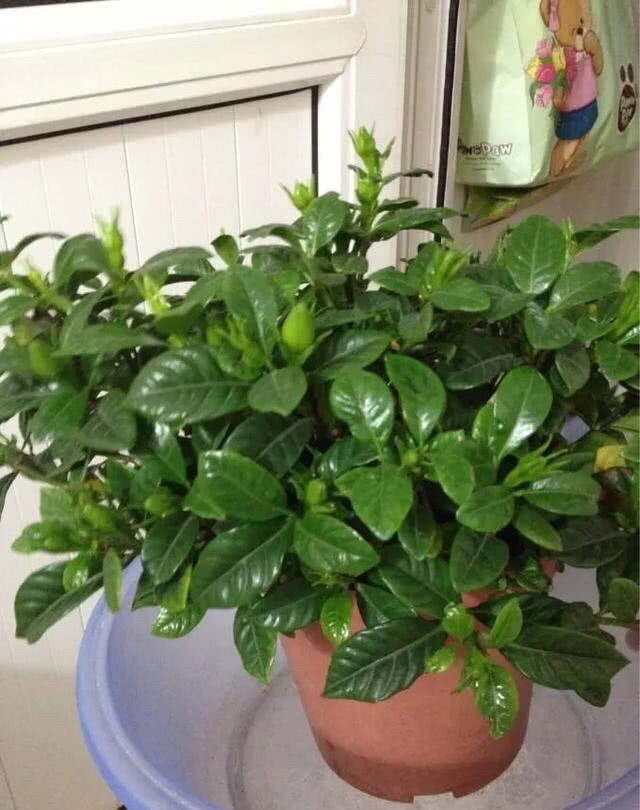
In day-to-day care, the health of the root system directly determines the growth of the above-ground parts of the gardenia. For potted gardenias, choose a loose, fertile, well-drained, slightly acidic soil, and water so that the soil dries out between waterings and is never kept constantly wet, avoiding long-term waterlogging in the pot that leads to root rot. If the roots are damaged, the plant often shows yellowing leaves and blackened, dropping flower buds; at this point, check the condition of the potting soil promptly, and if necessary prune away the rotted roots and replace the potting soil.
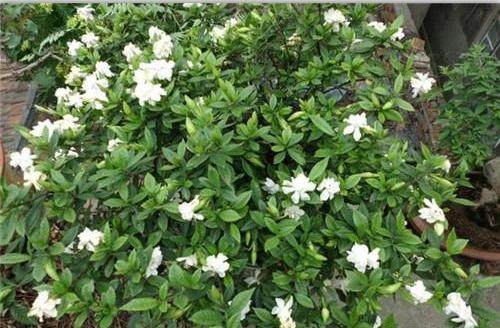
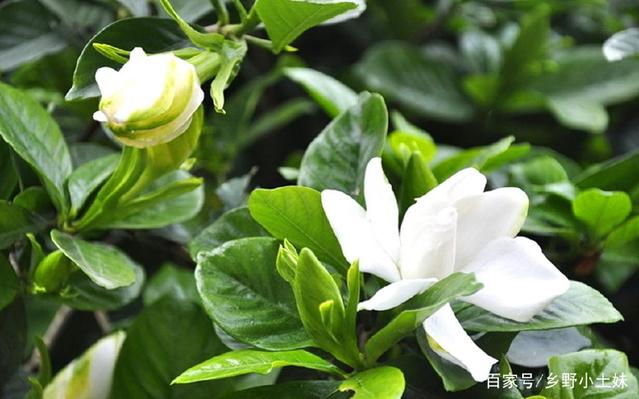
Overall, the gardenia root is both an organ that absorbs water and nutrients and something with a certain value for use. Only by growing the roots well can the gardenia have glossy green foliage and bloom profusely, so details such as soil mix, watering frequency and ventilation conditions are all worth extra attention from growers.
Related Reading