A Detailed Guide to Distinguishing Varieties of Zhulan and Its Propagation and Cultivation Methods
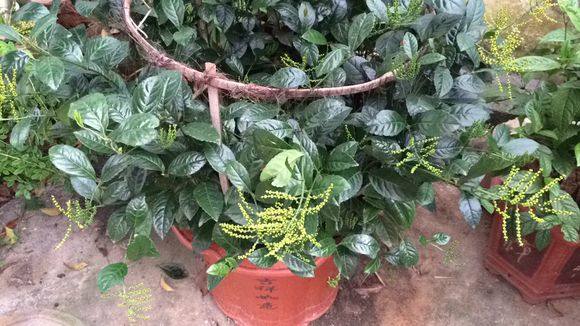
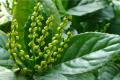
Zhulan, also known as Jinsulan, Yuzilan or Chalan, is an evergreen subshrub of the genus Chloranthus in the family Chloranthaceae, native to southern China. Its stems and branches grow in clusters, and its leaves are opposite, mostly elliptical, with finely serrated edges. The most distinctive feature of Zhulan is its flowers: the flower grains are tiny like pearls, densely packed into spike-like inflorescences, mostly yellow-green in color, with a fresh, elegant and long-lasting fragrance. The flowering period is generally concentrated in summer and autumn.
Common Zhulan comes in two types, yellow Zhulan and white Zhulan, with yellow Zhulan being the more commonly cultivated in daily growing. The flower grains of yellow Zhulan are pale yellow, and its fragrance is relatively stronger; white Zhulan has whiter flowers and is less common. The two are fairly similar in plant form, and when viewing them they are mainly distinguished by flower color, while their care methods are basically the same.
Zhulan prefers a warm, humid, semi-shaded environment, fears exposure to scorching sun, and is not tolerant of severe cold. It is suitable for cultivation in loose, fertile, well-drained, slightly acidic soil. During the growing season, keep the potting soil moist but not waterlogged; in summer, pay attention to shading and ventilation; in winter, it should be moved indoors to keep warm. Propagation can be done by cuttings, division or layering, among which spring and summer cuttings root relatively easily and are simple to perform: cut healthy branches and insert them into a moist medium, taking care to maintain humidity.
As an ornamental plant, Zhulan has evergreen branches and leaves and elegant flowers, making it suitable for placement in courtyards, on balconies or in bright indoor spots. Its flowers can also be used to scent flower tea; the resulting Zhulan scented tea has a pure aroma, and it can also be used to extract fragrance. The key to growing Zhulan well lies in controlling light and water properly, avoiding waterlogging and scorching sun, and the plant will then bloom every year, filling the room with a fresh fragrance.