What are the propagation methods for Chloranthus spicatus? A detailed guide to cultivation methods
What needs attention in the cultivation and management of Chloranthus spicatus is a set of routine care measures, such as water and fertilizer, soil, light and temperature, pruning, and so on. Moreover, potted Chloranthus spicatus is not prone to pest and disease problems, so it is relatively simple to grow.
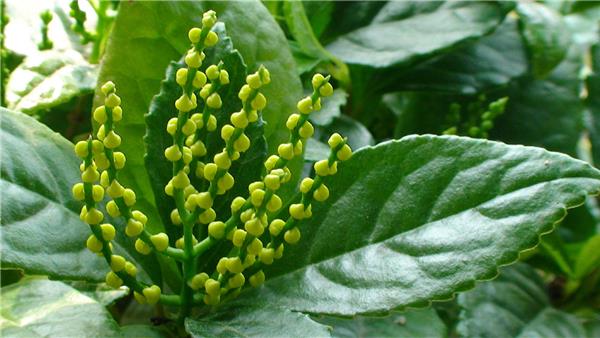
Propagation methods of Chloranthus spicatus
1. Cuttage: It can be done in spring, the plum rain season and autumn. For spring cuttage, carry it out before budding, cut vigorous one-year-old branches into cuttings about 15 cm long; after insertion, they can take root and survive in about 50 days. For cuttage in the plum rain season, take thick, plump semi-mature branches to make cuttings, shade out 60%-70% of sunlight after insertion, and keep the environment moist; they can take root and survive after 3-4 weeks. For autumn cuttage, carry it out in August-September after the flowering period ends; on the current-year branches that have finished their last flowers, select the part above the middle, cut it into sections of 3-4 nodes as cuttings, cover with plastic film after insertion to retain moisture, and shade out 60%-70% of sunlight; they can take root and survive after 15-20 days. New plants that survive cuttage grow much more vigorously than new plants from division propagation; generally, young plants can bloom after 2-3 years of cultivation.
2. Division: Usually carried out in March-April together with repotting. Turn out the plant that has filled the pot and, following its natural growth, divide it from the weak points where the root system joins into several small clumps. Each small clump should carry as many roots as possible; if there are many leaves on the upper part, more than half should be cut off to help survival and restore growth. Then plant them separately.
3. Layering: Carried out in April-June. Press the branches onto the ground or the pot surface with soil; they take root in 40-50 days. When many roots have formed, separate them from the mother plant and plant them separately.
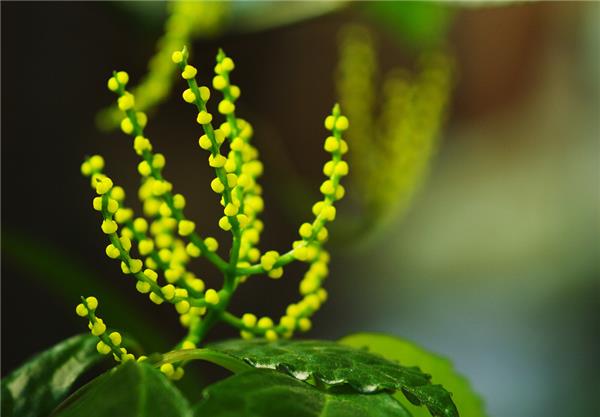
Cultivation methods of Chloranthus spicatus
Soil: For potted cultivation, mountain soil is best, or use leaf mold or peat soil as the main component, mixed with a small amount of river sand, plus a small amount of bone meal or superphosphate as base fertilizer.
Fertilization: Because Chloranthus spicatus blooms many times and its flowering period is relatively long, it needs more fertilizer. Generally, before bud formation, apply organic liquid fertilizer combining nitrogen and phosphorus 2-3 times, and add an appropriate amount of ferrous sulfate to the fertilizer solution; after buds appear, apply 1-2 more times of liquid fertilizer mainly based on phosphorus and potassium fertilizer to promote green leaves and abundant flowers. Applying phosphorus fertilizer can also prevent early flower and bud drop caused by phosphorus deficiency. After the flowers fade, apply liquid fertilizer 1-2 more times to help it continue blooming. Each time you fertilize, water and loosen the soil promptly, so as to improve air permeability of the potting soil and prevent root rot.
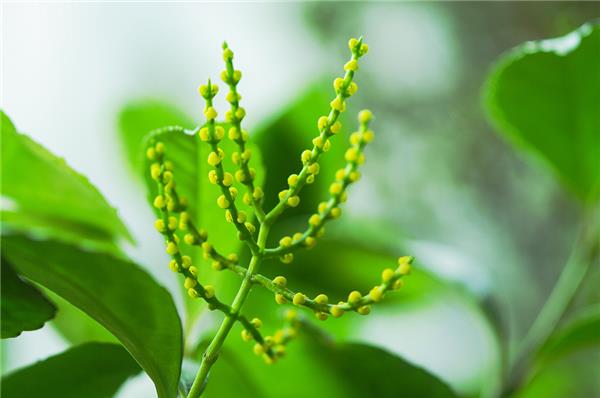
Watering: Because the roots of Chloranthus spicatus are slender and weak, watering should be moderate. Generally, after it is moved outdoors in spring, when the temperature is not yet too high, water once at noon every day. In summer, water once in the morning and once in the evening every day; when the weather is dry, spray water on the leaves. On rainy days, watering should be controlled, otherwise the stem nodes are likely to turn black and the plant will wither and decline. In autumn, change to watering once every 2-4 days according to the situation. In winter, when room temperature is low, stop fertilizing and control watering, keeping the potting soil slightly moist as appropriate. But it still needs relatively high air humidity; once a week, spray and wash the branches and leaves with clean water close to room temperature. This can both keep the leaf surface clean and prevent sooty mold.
Light and temperature: Chloranthus spicatus is a shade plant, and from early summer to early autumn it needs shading. After summer begins, place it on a north-facing balcony or in a shaded spot outdoors for cultivation, with about 70% of light shaded out as appropriate. Avoid direct strong light, so as to prevent the leaves from turning yellow. As the saying goes, jasmine cannot be killed by sun, and Chloranthus spicatus cannot be killed by shade; this is the principle. Chloranthus spicatus is not cold-tolerant. In northern regions, move it indoors in early to mid-October; after moving indoors, place it in a spot with relatively sufficient light, and it is best to keep room temperature above 15°C.
Pruning: The branches of Chloranthus spicatus are slender and weak and cannot stand fully upright. It is best to use bamboo rings or wire as a support to help it grow, so as to avoid a messy plant shape. If allowed to grow naturally, it is prone to leggy growth and lodging, so from the seedling stage onward, pinch the tips more often to make it branch more. After autumn, cut off dead branches and diseased branches to save nutrients and promote ventilation and light penetration.
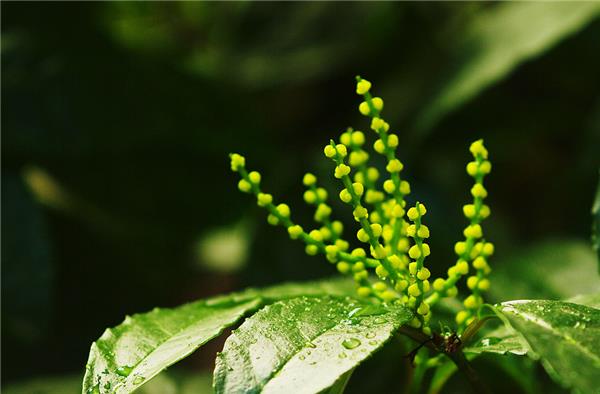
The leaves of Chloranthus spicatus are emerald green and bright, and its flowers are golden and brilliant. It is a plant that can bring vibrant life to a room, and is especially suitable for placing in places such as the living room, allowing visiting guests to feel full warmth and sincerity.