Diverse plant varieties that absorb carbon dioxide, easy to grow and perfect for indoor placement
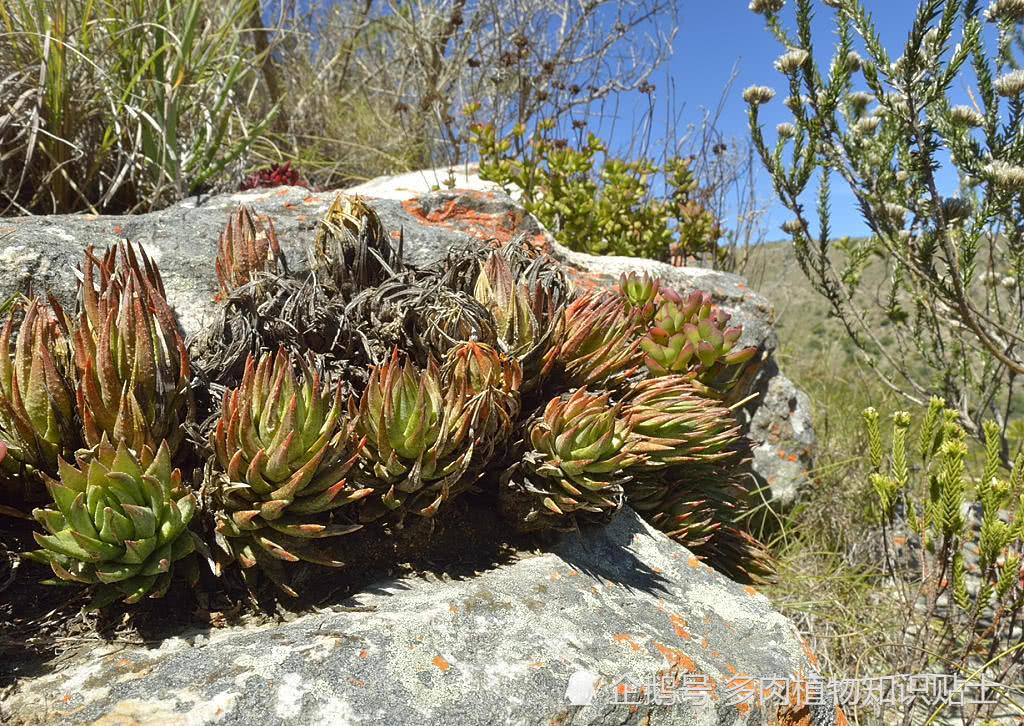
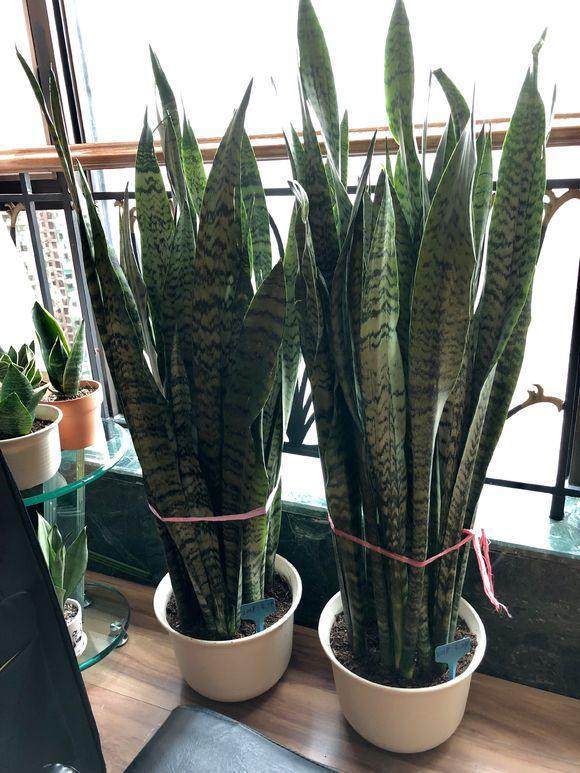
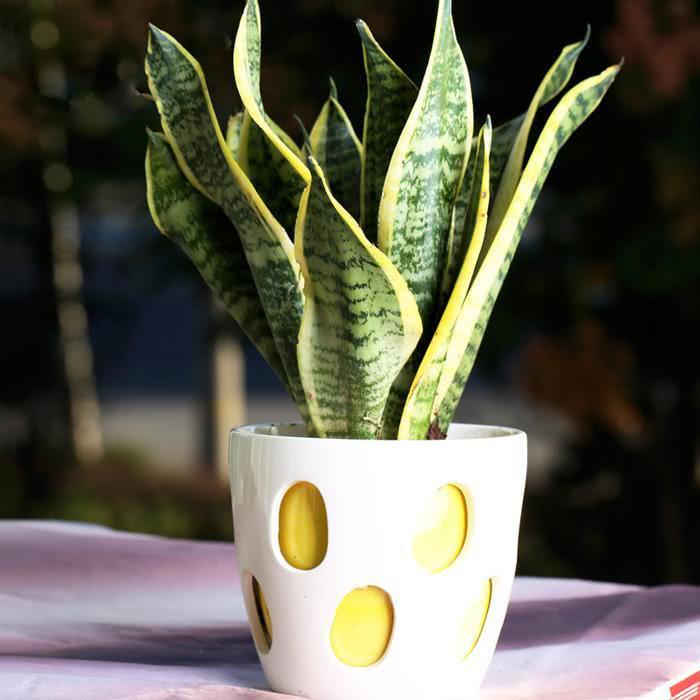
Plants carry out photosynthesis under light, absorbing carbon dioxide and releasing oxygen, a physiological process common to all green plants. What are usually called carbon dioxide-absorbing plants mostly refer to species with a strong carbon-fixing capacity that are suitable for indoor placement, some of which also have a special metabolic pathway that allows them to absorb carbon dioxide at night, such as snake plant (Sansevieria), aloe (Aloe) and most succulents.
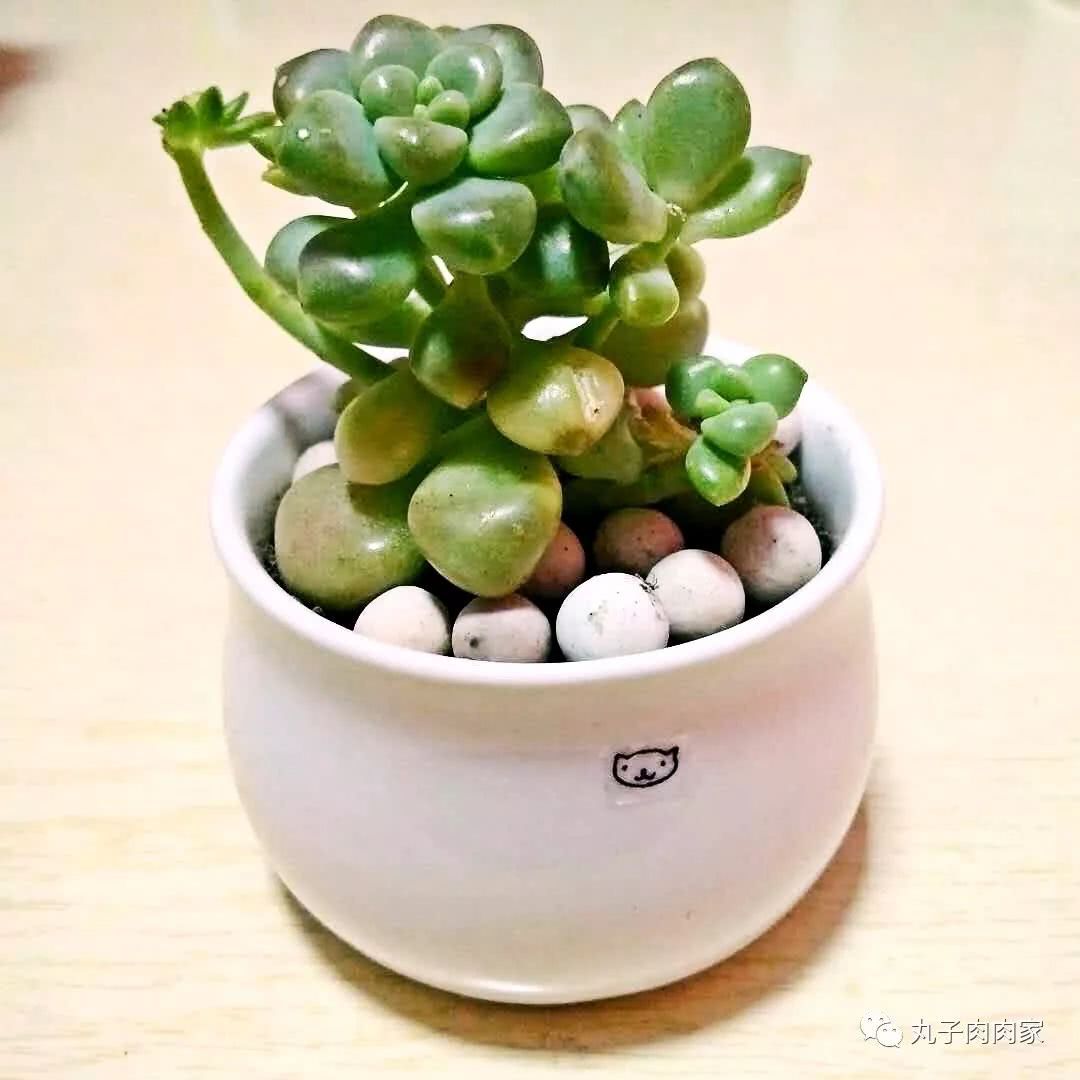
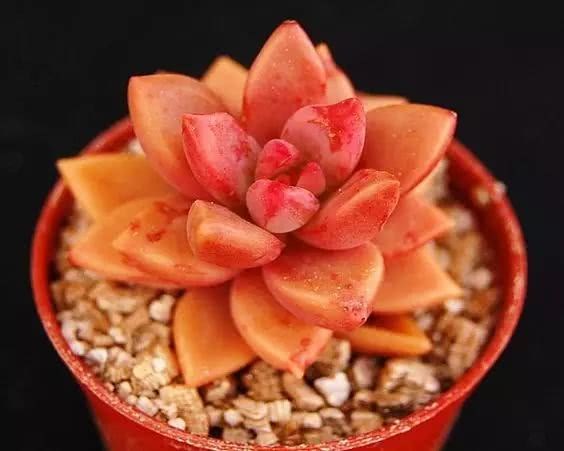
Common varieties include pothos (Epipremnum aureum), spider plant (Chlorophytum comosum), snake plant, aloe, Swiss cheese plant (Monstera deliciosa), English ivy (Hedera helix) and cacti. Most of these plants are compact in form with strong adaptability, including both foliage varieties and succulent types, so you can choose flexibly according to the light conditions and placement spots in your home.
As for care, these plants are generally easy to manage, preferring bright indirect light, and watering should follow the principle of letting the soil dry out before watering again to avoid root rot caused by soil that stays wet for a long time. Succulents and cacti are more drought-tolerant and need controlled watering and warmth in winter; foliage plants such as pothos and spider plant can be misted appropriately to raise humidity, and their leaves should be wiped clean of dust regularly to help maintain growth.
Placing a few pots of such greenery in the living room, study or on an office desk can both beautify the environment and help people relax after busy hours. It should be noted, however, that the effect of a single plant is limited; if you want fresher indoor air, you still need to open the windows often for ventilation and cannot rely entirely on plants to solve the problem.
Related Reading