Rootless trees are a special type of plant that can survive even without roots
A rootless tree is a type of plant condition often mentioned by gardening enthusiasts, broadly referring to plants that temporarily have no root system but whose stems, leaves or growing points are still alive. It includes cacti, orchids and Clivia (Kaffir lily) that have lost their roots due to root rot, division or pruning, as well as the rootless rootstocks used in grafting propagation. In a broader sense, some parasitic plants and epiphytic plants that have no true soil root system are also often grouped among rootless plants.
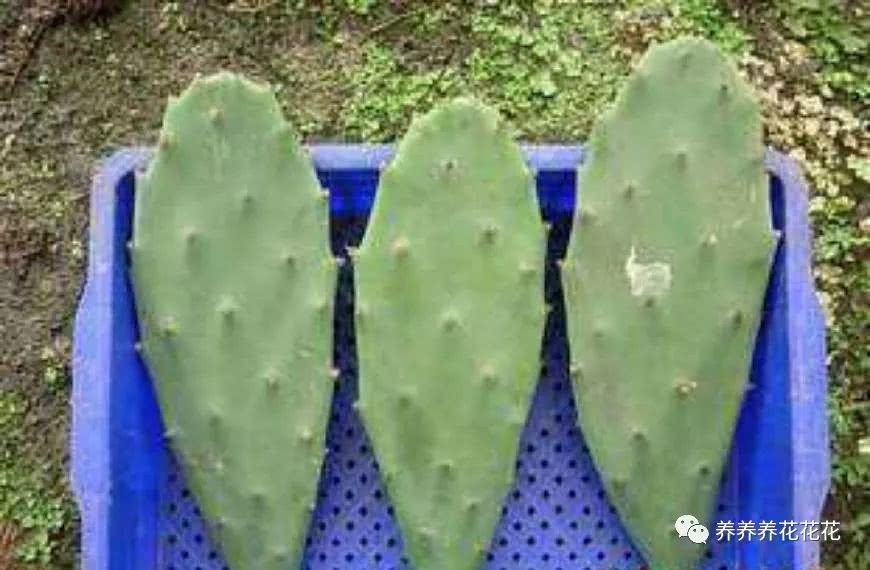
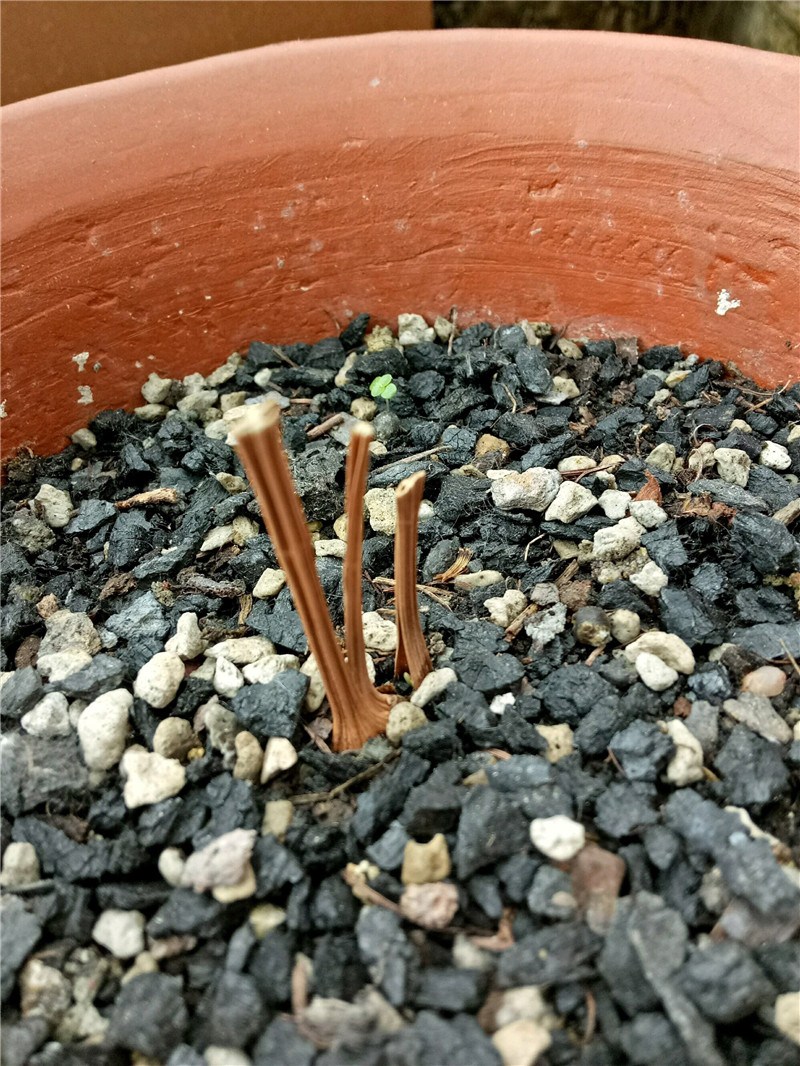
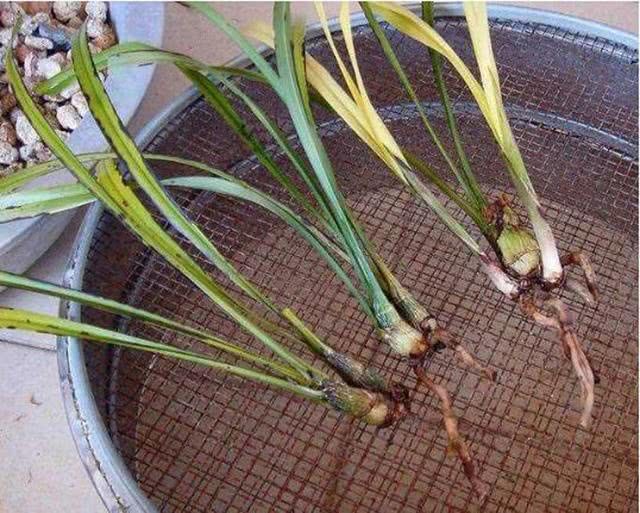
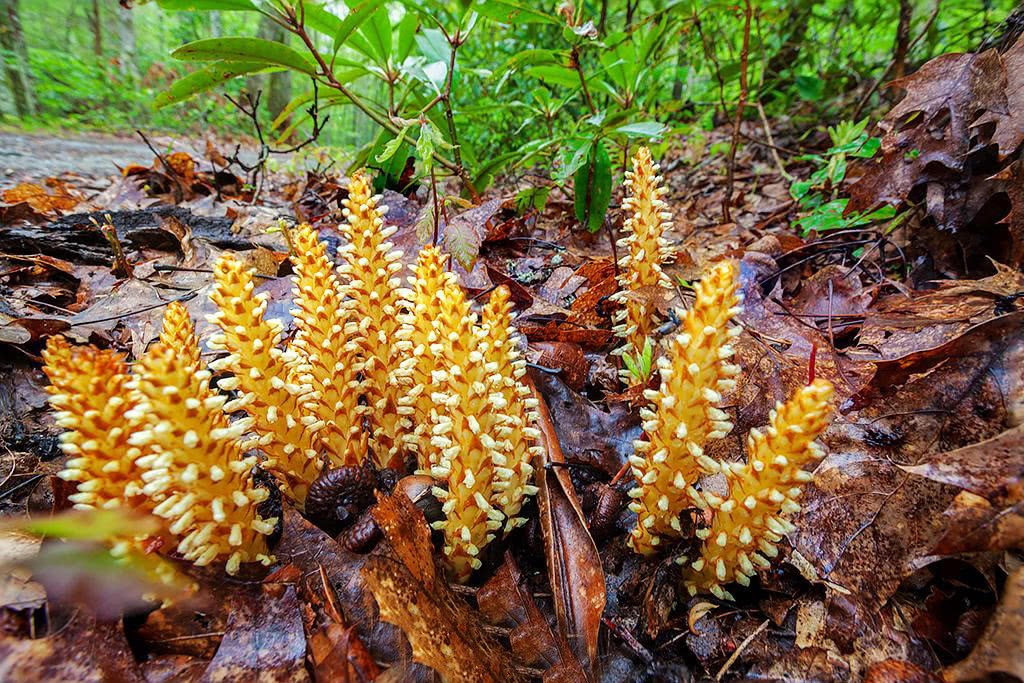
Common rootless plants fall roughly into a few types. The first is rootless cacti or Hylocereus undatus (night-blooming cereus), which are often used to graft Schlumbergera (Christmas cactus); once the graft union heals, they can still grow and take shape. The second is old orchid pseudobulbs and Clivia with rotten roots; as long as the pseudobulb or stem disc is still firm, there is a chance they will re-root and sprout. The third is Orobanche (broomrape), which parasitizes plants such as mugwort and is commonly known among the people as "rabbit's crutch"; it has no roots and no leaves, yet it can flower and fruit, with all its nutrients coming from the host.
The key to bringing a rootless plant back to life lies in water control, shading and patience. Generally, it should be placed in a ventilated spot with diffused light, lightly fixed with clean river sand, sphagnum moss or loose granular soil, keeping the medium slightly moist but not waterlogged. During rooting, avoid direct sun exposure and frequent disturbance; roots form faster when the environment is warm and stable, and dipping in rooting powder can help if necessary. For rootless rootstocks used for grafting, let the cut surface dry before proceeding, and insert them firmly and upright to aid healing.
The most common mistakes in care are overwatering, which causes the cut to rot, and exposing the plant to strong light too early, which causes dehydration. To judge whether a plant is still alive, gently pinch the stem or pseudobulb; if it feels firm and is green inside, it still has vitality. As long as the tissue is healthy and the environment suitable, most rootless plants can grow new roots again after some time and gradually resume normal growth.
Related reading