How to Care for the Distylium and Its Value in Landscaping
Wenmu usually refers to the distylium (Distylium racemosum), an evergreen shrub or small tree in the genus Distylium of the witch-hazel family (Hamamelidaceae). In some parts of southern China it is also called mixin tree or mosquito tree. Its name is linked to mosquitoes, stemming from an interesting phenomenon: the leaves are often parasitized by aphids and similar small insects, forming galls, and when the galls burst, the insects inside fly out. The ancients believed this tree could produce mosquitoes, hence the name.
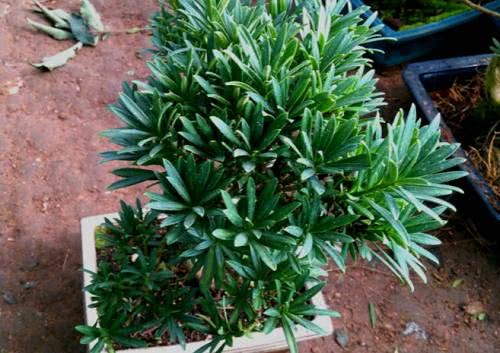
The distylium has dense branches and leaves, with smooth leathery, oval leaves that stay green all year round, and it sprouts vigorously and tolerates pruning well. It prefers a warm, humid climate, likes light but also tolerates shade, and has strong resistance to smoke, dust and harmful gases, so it is often used as an urban hedge, an ornamental garden tree, and is also a common species in factory and roadside landscaping.
Because of its rugged branches and fine, dense leaves, the distylium is also a common material for bonsai; through pruning and wiring it can be shaped into clearly layered forms with good ornamental value. For home care, place it in a spot with ample light and good ventilation, keep the potting soil moist but not waterlogged during the growing season, and avoid long periods of shade, which can cause leggy growth and a loose, straggly shape.
The distylium sprouts and grows quickly during the growing season and needs regular pruning to keep a compact form. In spring and summer, the leaves easily attract pests such as aphids and scale insects; when galls or insects are found, remove the affected leaves promptly and spray if necessary. Propagation is mainly by cuttings, and sowing is also possible; take healthy branches for cuttings and keep the soil moist, and the survival rate is fairly good.
Related Reading