The Impact of Soil pH on Plant Growth and How to Adjust It
Soil pH is an indicator of how acidic or alkaline the soil is, and it is usually expressed as a pH value. A pH value equal to seven is neutral, below seven is acidic, and above seven is alkaline. Soil acidity and alkalinity vary considerably from place to place, mainly influenced by factors such as climate, soil parent material and farming practices.
According to the degree of acidity or alkalinity, soil can generally be divided into several types: strongly acidic, acidic, neutral, alkaline and strongly alkaline. Most crops grow better in neutral to slightly acidic soil, while tea plants, azaleas and blueberries prefer acidic soil, and goji berry, sugar beet and others are relatively tolerant of alkaline conditions. When the pH is unsuitable, plants' uptake of nutrients is inhibited, and problems such as yellowing leaves and slow growth readily appear.
Soil pH can be determined with pH test paper or testing instruments, or given a preliminary assessment by observing the growth of acid-loving or alkali-loving indicator plants. Acidic soil can be neutralized by broadcasting alkaline substances such as plant ash or lime, while alkaline soil can be improved by applying more organic fertilizer, leaf mold or an appropriate amount of sulfur powder. Adjustments should be made gradually to avoid drastic changes over a short period, which could damage the roots.
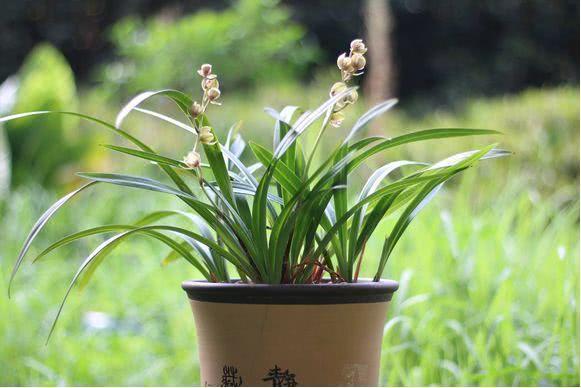
In home flower growing, unsuitable soil pH often leads to yellowing leaves and fewer blooms. Acid-loving plants such as orchids and gardenias should be given acidic fertilizer regularly; in northern regions where the water is on the alkaline side, fermented rice-washing water or a ferrous sulfate solution can be used for appropriate adjustment. Only when soil pH is kept within a suitable range can the roots develop healthily, and the plants will grow more vigorously.
Related Reading