Indoor Plants Picture and Name Guide: Common Varieties Made Easy at a Glance
Indoor plants generally refer to ornamental plants suited to long-term placement in indoor environments such as homes and offices. Putting together their pictures and names for comparison can help gardening beginners quickly recognize varieties and choose suitable plants. Most of these plants tolerate shade fairly well and are highly adaptable; their requirements for light and ventilation are not as high as those of outdoor plants, so day-to-day care is relatively trouble-free.
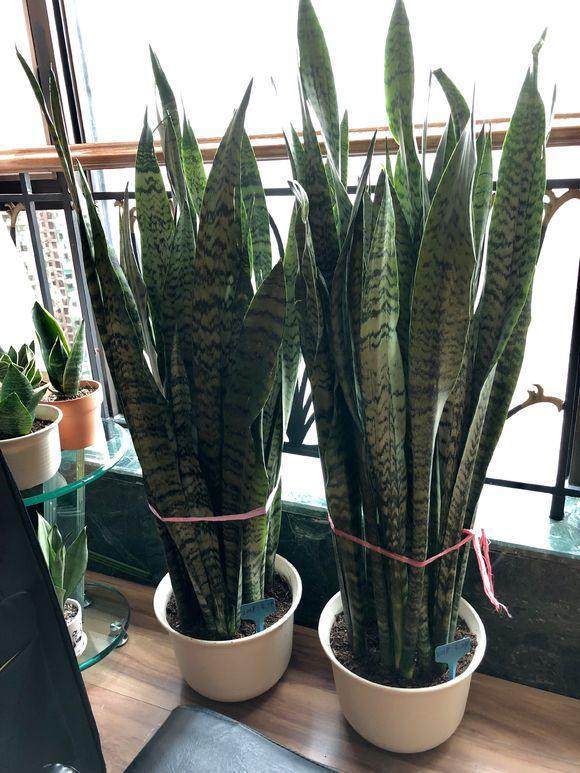
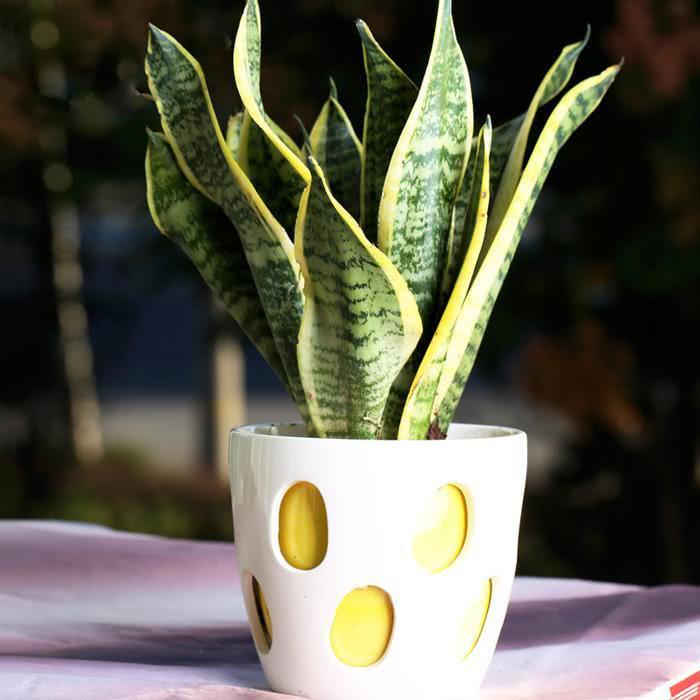
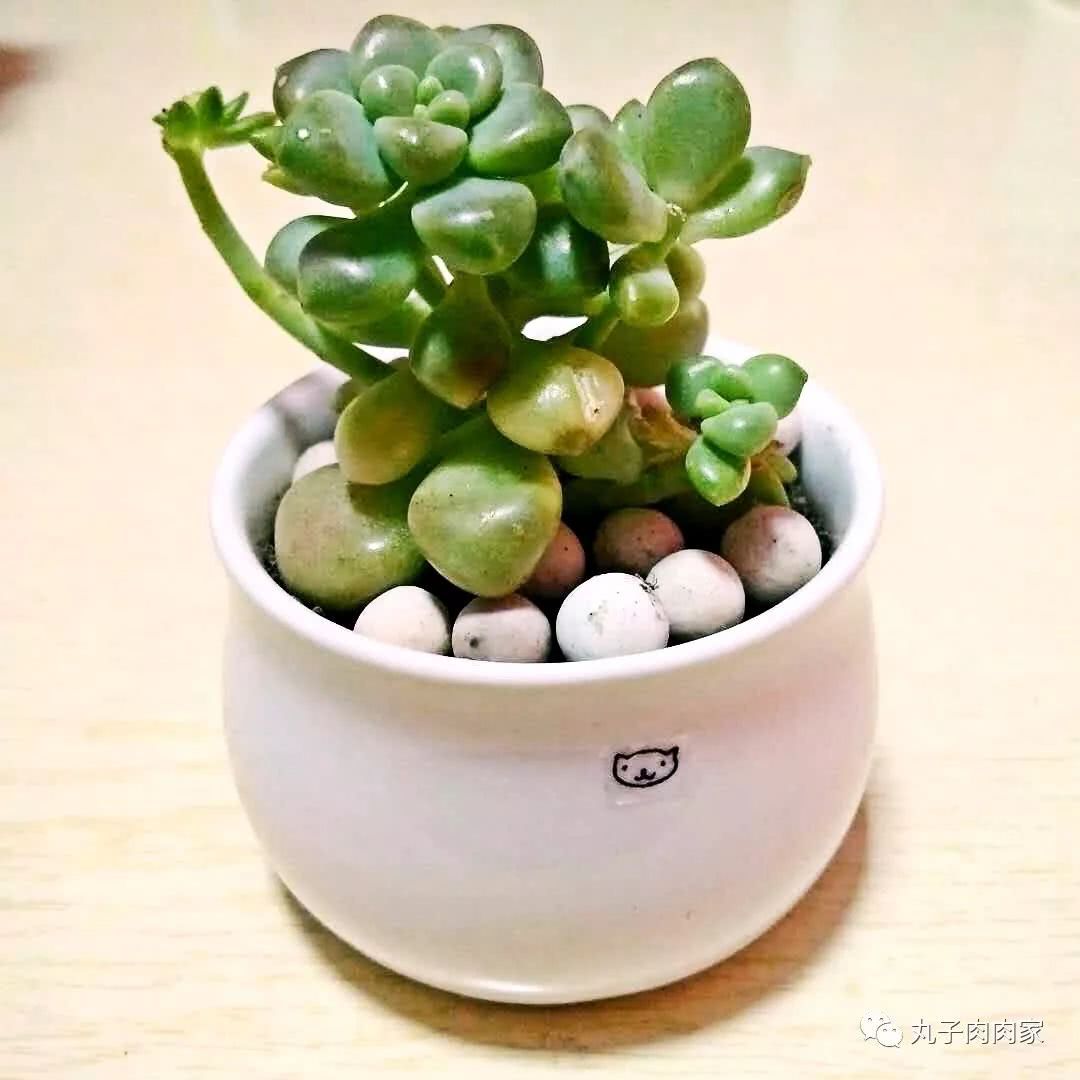
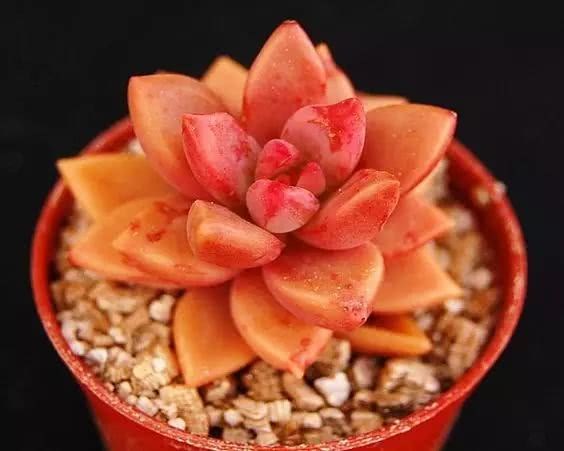
Among the common varieties, indoor plants can be roughly divided into several major categories: foliage plants, flowering plants, and succulents. Foliage types such as pothos, spider plant, Swiss cheese plant, money tree, and snake plant have rich leaf forms and stay green year-round; flowering types such as anthurium, peace lily, and moth orchid have eye-catching colors when in bloom; succulents are compact in form and suit windowsills and office desks.
In terms of practical value, indoor plants can both accent the home space and ease visual fatigue. Many people like to place a small pot on a desk or beside a computer; taking a look during a work break helps tense emotions relax considerably. Large plants suit corners of the living room, while small potted plants suit tabletops or windowsills, and combined they create a strong sense of layering.
When choosing, it is advisable to first check the lighting conditions at home. A south-facing windowsill with ample light can take light-loving varieties, while rooms with weaker light are best suited to shade-tolerant foliage plants. As for watering, by no means water too frequently; most problems with indoor plants are related to potting soil staying wet for long periods. In addition, if there are children or pets at home, it is best before choosing varieties to check whether the plant sap is irritating, to avoid accidental contact or ingestion.
Related Reading