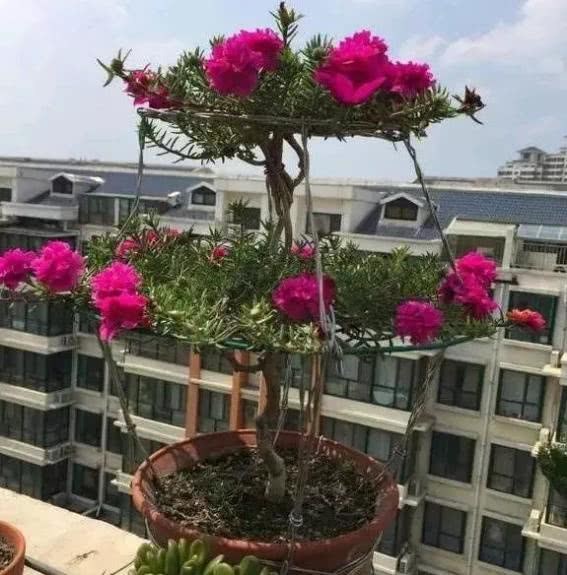
Four-season flowering trees refer to ornamental flowering trees that can bloom all year round or bloom multiple times a year
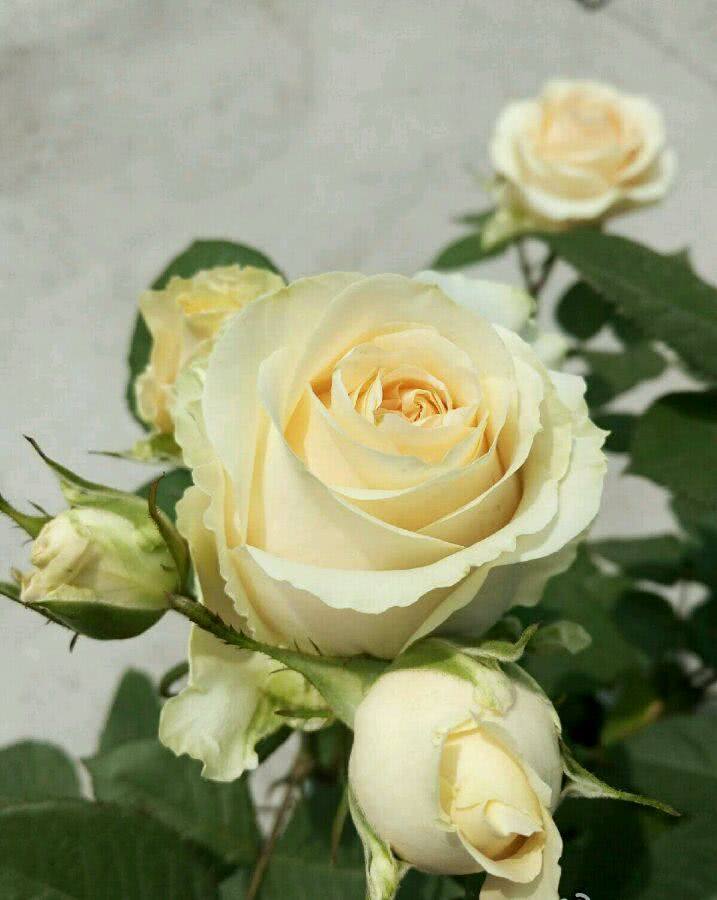
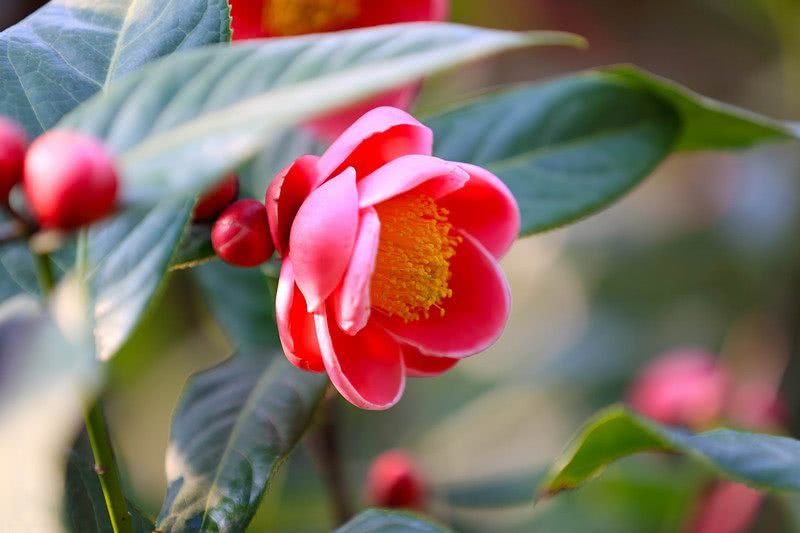
Four-season flowering trees do not refer to any single tree species, but are a general term for ornamental flowering trees with a long flowering period that can bloom multiple times a year or offer flowers to enjoy successively through all four seasons. Common ones include bougainvillea, Chinese rose, four-season osmanthus, gardenia, and some camellia varieties; with proper care, flowers can be seen successively from spring to winter.
The biggest feature of these flowering trees is their long flowering period and strong ability to rebloom. As long as temperature, light, and nutrients keep up, often just as one wave of flowers fades, new buds emerge again. Most of them are highly adaptable and can be grown either in the ground or in pots, and can be placed in courtyards, on balconies, or even indoors. Their ornamental period is far longer than that of ordinary flowering trees, which is why they are so popular among flower growers.
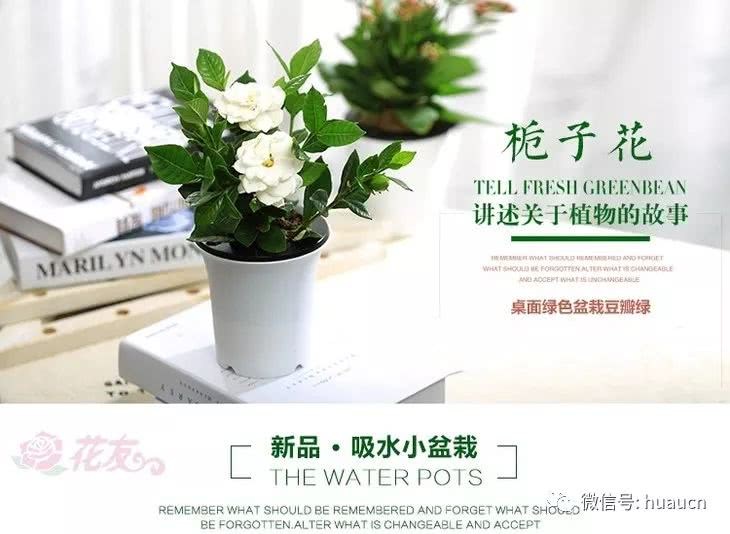
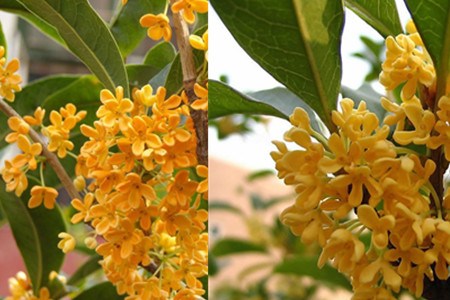
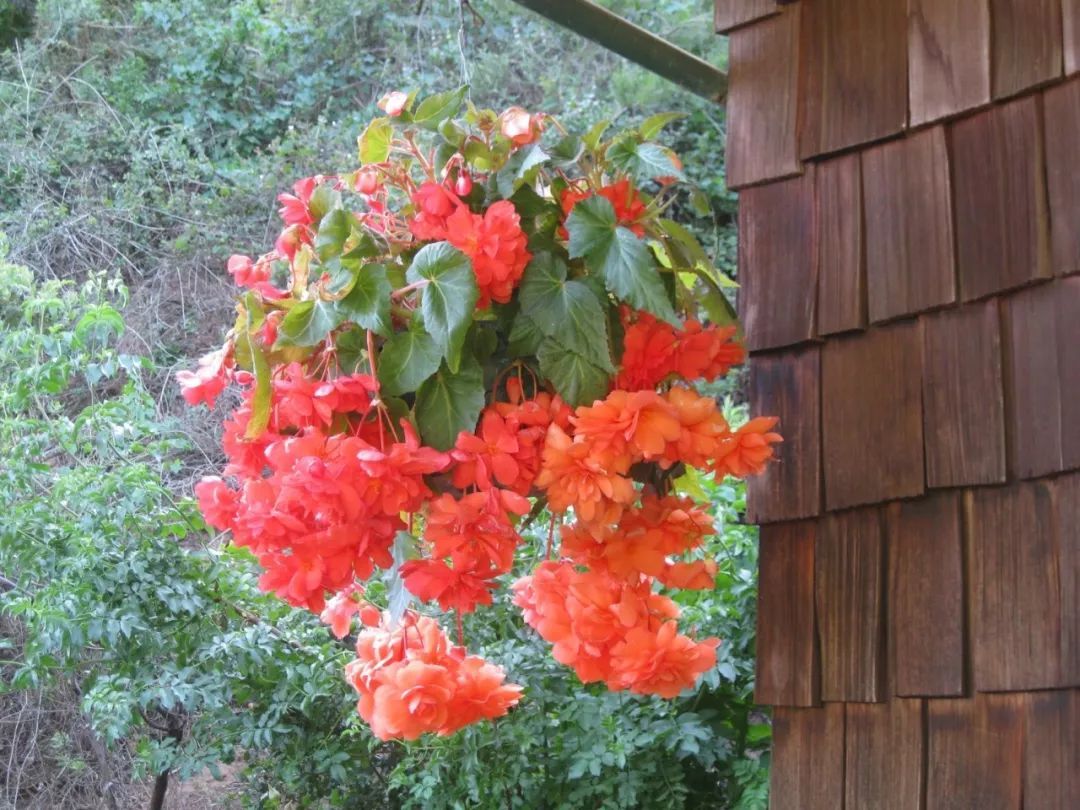
Among the many varieties, bougainvillea has brilliant flower colors and tolerates sun and heat well, and is very common in southern courtyards. Chinese rose blooms frequently and comes in a wide range of varieties, and is known as the queen of flowers. Four-season osmanthus has an elegant fragrance and blooms sporadically throughout the year. Gardenia has deep green leaves and a rich fragrance, and is also very suitable for potted display.
To keep four-season flowering trees blooming continuously, light and water-fertilizer management are key. Most plants that bloom in all four seasons like sunlight; only with sufficient light every day is it easy for the plant to differentiate flower buds. During the growing season, apply light fertilizer frequently, appropriately supplement phosphorus and potassium fertilizer before the flowering period, and promptly cut off spent flowers and leggy branches after flowering, which can both maintain the plant's shape and encourage new branches to form buds and bloom again.
Many people report that after growing them for a long time, they still fail to see flowers, which is mostly caused by insufficient light, too much nitrogen fertilizer, or a long-term lack of pruning; adjusting these aspects often improves the situation. In addition, after a potted flowering tree has been grown for one or two years, the soil nutrients are easily depleted, so it is best to repot and change the soil once to give the roots more room, and it will naturally bloom more frequently.
Related Reading