An Introduction to the Habits and Characteristics of Mountain Pine and Its Bonsai Care Methods
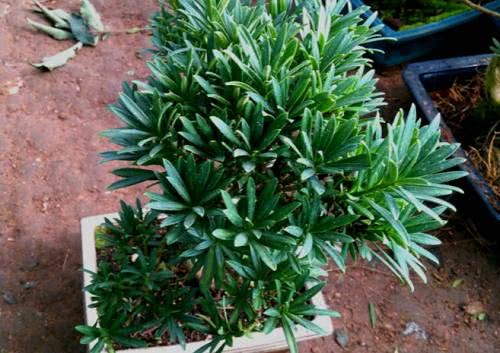
Mountain pine is a folk name for pines that grow in mountainous and hilly areas. In most cases it refers to the Masson pine (Pinus massoniana), though in some regions other pine species such as the high-mountain pine are also called mountain pine. It belongs to the pine family as an evergreen tree, with a tall, upright trunk and bark that is mostly reddish-brown and cracks into scales as the tree ages, along with slender needles that stay green all year round.
Mountain pine is highly adaptable and prefers a sunny, warm and dry environment. Its root system is well developed with a pronounced deep-rooting habit, allowing it to grow normally on hillsides with thin, poor, dry soil, so it is often used for greening barren hills and for soil and water conservation.
In horticulture, mountain pine is an excellent material for making bonsai. Its branches and trunk are sturdy and ruggedly ancient in appearance, and its wood is tough; through wiring, pruning and bud pinching, it can be shaped into cascade, semi-cascade and many other styles, giving it high ornamental value. When collecting old stumps in the wild, take care to protect the roots, first cultivate and rejuvenate the material, then gradually pot it and refine it.
For care, mountain pine should be placed in a spot with ample light and good ventilation, and watering should follow the principle of watering when dry and letting it dry between waterings. Never let water accumulate in the pot, or root rot easily results. A loose, breathable sandy loam with good drainage is best, and fertilizer should be applied lightly and often. Pruning and wiring are best done during the vigorous growth period, and wounds should be treated promptly to reduce the risk of resin loss and pathogen invasion.
Related Reading