Crabapple flowers are spring trees and shrubs valued for both their ornamental beauty and their fruit
Crabapple flowers are the blossoms of the crabapple (Malus asiatica), a small deciduous tree in the rose family (Rosaceae) and the genus Malus. In folk usage it is also called huahong or linqin, and it is cultivated in northern China as well as in some southern regions. Its flower buds mostly form on short fruit spurs, and in spring they open before the leaves or at the same time as the young leaves, making it one of the spring blossoms that attract much attention in orchards and courtyards.
In appearance, crabapple flowers closely resemble apple and crabapple (Malus spectabilis) blossoms and are often mistaken for them. The flowers are arranged in umbel-like or corymb-like inflorescences, with slender pedicels and nearly round petals that are white tinged with pink when they first open, with the pink deeper at the bud stage; from a distance the whole tree shows a mix of pink and white, giving a fine ornamental effect. The flowering period is concentrated in spring, slightly earlier in the south and slightly later in the north, with the exact timing fluctuating according to the temperature of the year.
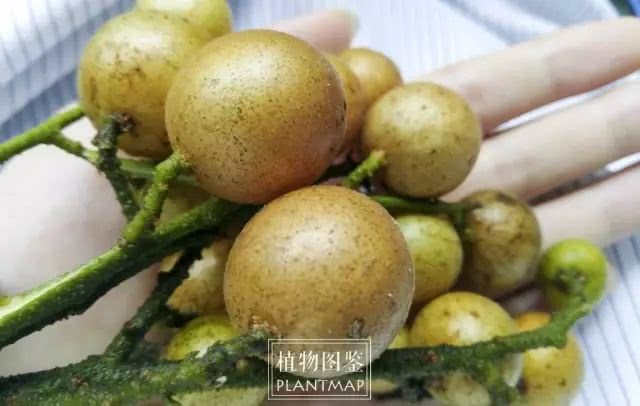
The value of crabapple flowers lies mainly in two aspects: ornament and production. When it blooms, the branches and leaves have not yet fully spread, so the tree full of blossoms is very striking, making it suitable for solitary planting or mass planting in courtyards and parks; after pollination, the flowers produce crabapples that are sweet and tart, good for eating fresh or for processing, so in some fruit-growing areas the crabapple is also used as a pollinator tree for varieties such as apples.
As for care, the crabapple likes a sunny, well-ventilated environment and is not demanding about soil, preferring loose, well-drained ground, and it is fairly cold-hardy. After flowering, spent flowers, diseased branches and overly dense branches can be pruned as appropriate, and keeping moisture balanced during the growing season helps accumulate nutrients and promote flower bud differentiation for the following year. Note that if the flowering period meets prolonged rain or low temperatures, pollination and fruit set will be affected; during the growing season there are occasionally pests such as aphids and red spider mites, so it is best to clean up the orchard in early spring, strengthen routine observation and take timely measures.
Related reading