What are the benefits and effects of wild chrysanthemum
Many people like to use chrysanthemums in cooking or to brew tea, but everyone also knows that chrysanthemum is a plant with a very large number of varieties. Generally speaking, they can be divided into cultivated chrysanthemums and wild chrysanthemums. Cultivated chrysanthemums are mainly the ones we usually use for brewing tea or for ornamental purposes, while wild chrysanthemum has relatively notable effects in medicinal use. So what are the benefits and effects of wild chrysanthemum, and what are the contraindications and ways to consume wild chrysanthemum? Let us take a look:
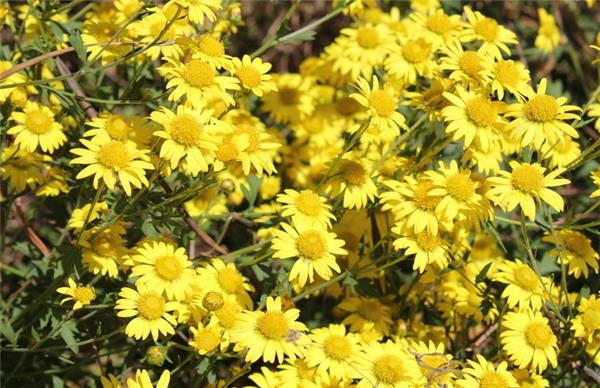
I. Benefits and Effects of Wild Chrysanthemum
1. Anti-infection: It has an inhibitory effect on many pathogenic bacteria such as Staphylococcus aureus, Shigella dysenteriae, Pseudomonas aeruginosa, and Salmonella typhi. In terms of clearing heat and detoxifying, wild chrysanthemum is stronger than other medicines. It is often used for influenza, acute infections and fever of the upper respiratory tract, eyes, and throat, whether viral infection, bacterial infection, or mixed infection, as well as infectious red swelling of the skin.
2. Regarding the treatment of cardiovascular diseases: It has a clear inhibitory effect on platelet aggregation induced by ADP, Staphylococcus aureus, and rabbit muscle collagen, and the effect increases with increasing dosage. This inhibitory effect of wild chrysanthemum is 2.3 to 3.2 times stronger than that of Danshen and Dangshen, and it has multiple effects such as dilating coronary arteries, lowering blood pressure, and protecting the heart. In traditional Chinese medicine, for cardiovascular diseases, clinical practice is accustomed to using white chrysanthemum as the main choice. Wild chrysanthemum is generally not used.
3. Blood pressure-lowering effect: It is related to resisting adrenaline and dilating peripheral blood vessels, as well as inhibiting the vasomotor center.
II. Ways to Consume Wild Chrysanthemum:
1. Wild chrysanthemum with minced garlic
Ingredients: 250 grams of wild chrysanthemum, 20 grams of garlic (white skin), 1 gram of monosodium glutamate, 2 grams of salt, 5 grams of sesame oil, 3 grams of white granulated sugar
Method: Peel and wash the garlic, pound it into minced garlic and set aside; remove impurities from the tender stems and leaves of wild chrysanthemum and wash them clean, blanch them briefly in boiling water, remove and soak them in cold water, rinse to remove the bitterness, after 30 minutes remove and drain the water, cut into sections and put into a plate, pour over the minced garlic and sesame oil, then sprinkle with refined salt, monosodium glutamate, and white sugar, mix well and serve. What to eat for beauty
Health-promoting dietary effect: This dish contains a variety of nutrients and has the effect of clearing heat and detoxifying. People with deficiency-cold of the spleen and stomach should avoid eating this dish.
2. Stir-fried pork slices with wild chrysanthemum
Ingredients: 300 grams of wild chrysanthemum, 450 grams of pork (fat and lean), 5 grams of yellow wine, 5 grams of salt, 2 grams of monosodium glutamate, 5 grams of soy sauce, 5 grams of scallion, 3 grams of ginger. What to eat for beauty
Method:
1. First remove foreign matter from the tender stems and leaves of wild chrysanthemum, wash them clean with clear water, put them into a pot of already boiling water and blanch briefly, remove them, and directly put them into clear water to wash, allowing them to lose their bitterness, then squeeze out the water, cut into shreds with a knife, put into a plate, and set aside.
2. Soak the pork in clear water, wash it clean, then cut it into slices with a knife and put them into a bowl. Add cooking wine, refined salt, monosodium glutamate, soy sauce, chopped scallion, and shredded ginger and marinate for a while.
3. Take a wok, scrub and wash it clean with clear water, place it over heat, heat it up, add peanut oil, and after it is hot, pour in the pork and stir-fry until it absorbs the flavor, add the wild chrysanthemum and stir-fry until it absorbs the flavor, add monosodium glutamate, stir-fry a few times, take it out of the wok, and it is ready to eat.
III. Effects of Wild Chrysanthemum
Antibacterial.
Wild chrysanthemum has an inhibitory effect on Staphylococcus aureus, Bacillus flexneri, Salmonella typhi, and others; it also has an inhibitory effect on hemolytic streptococcus, Escherichia coli, and others, and has varying degrees of inhibitory effects on Corynebacterium diphtheriae, Shigella dysenteriae, Pseudomonas aeruginosa, and Proteus.
Antiviral.
Wild chrysanthemum has an inhibitory effect on influenza virus in vitro.
Clearing heat and detoxifying.
Wild chrysanthemum clears heat and reduces internal fire. In terms of clearing heat and detoxifying, wild chrysanthemum is stronger than yellow chrysanthemum. It is often used for influenza, acute infections and fever of the upper respiratory tract, eyes, and throat, whether viral infection, bacterial infection, or mixed infection, as well as infectious red swelling of the skin.
Blood pressure-lowering effect.
Wild chrysanthemum can lower blood pressure, but its blood pressure-lowering mechanism is not by reducing cardiac output or blocking sympathetic ganglia, nor through the vagus nerve reflex mechanism, but through resisting adrenaline and dilating peripheral blood vessels, and it may also be related to inhibiting the vasomotor center.
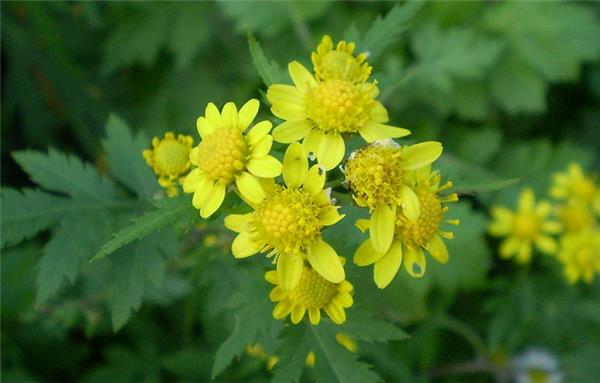
Wild chrysanthemum has many uses. Wild chrysanthemum not only has the effect of disinfecting and stopping bleeding, but also has the use of clearing heat and relieving summer heat, and can also be used to brew tea. After drying wild chrysanthemum in the sun, brew a good cup of tea, and with one sip, you will immediately feel refreshed.