Unusual plants are beloved by gardeners for their unique forms and habits
Unusual plants broadly refer to plants that differ noticeably from common flowers and grasses in form, habit or function. Some have exaggerated shapes, some grow in altogether distinctive ways, and others take on different appearances as the environment changes, so gardeners often treat them as the focal points of balconies and desks.
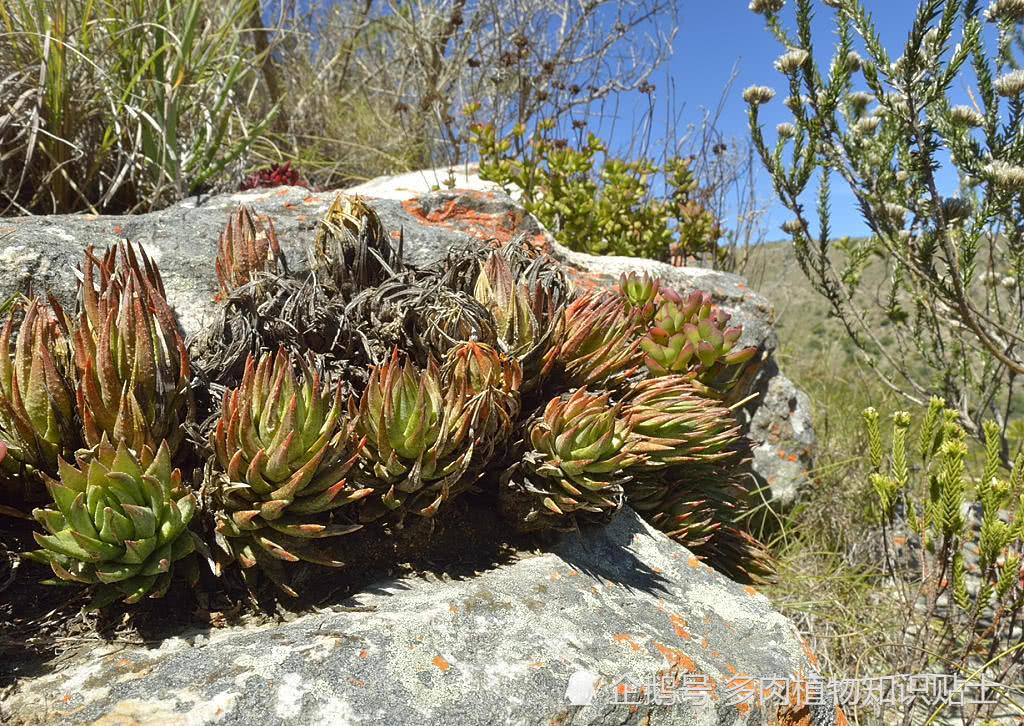
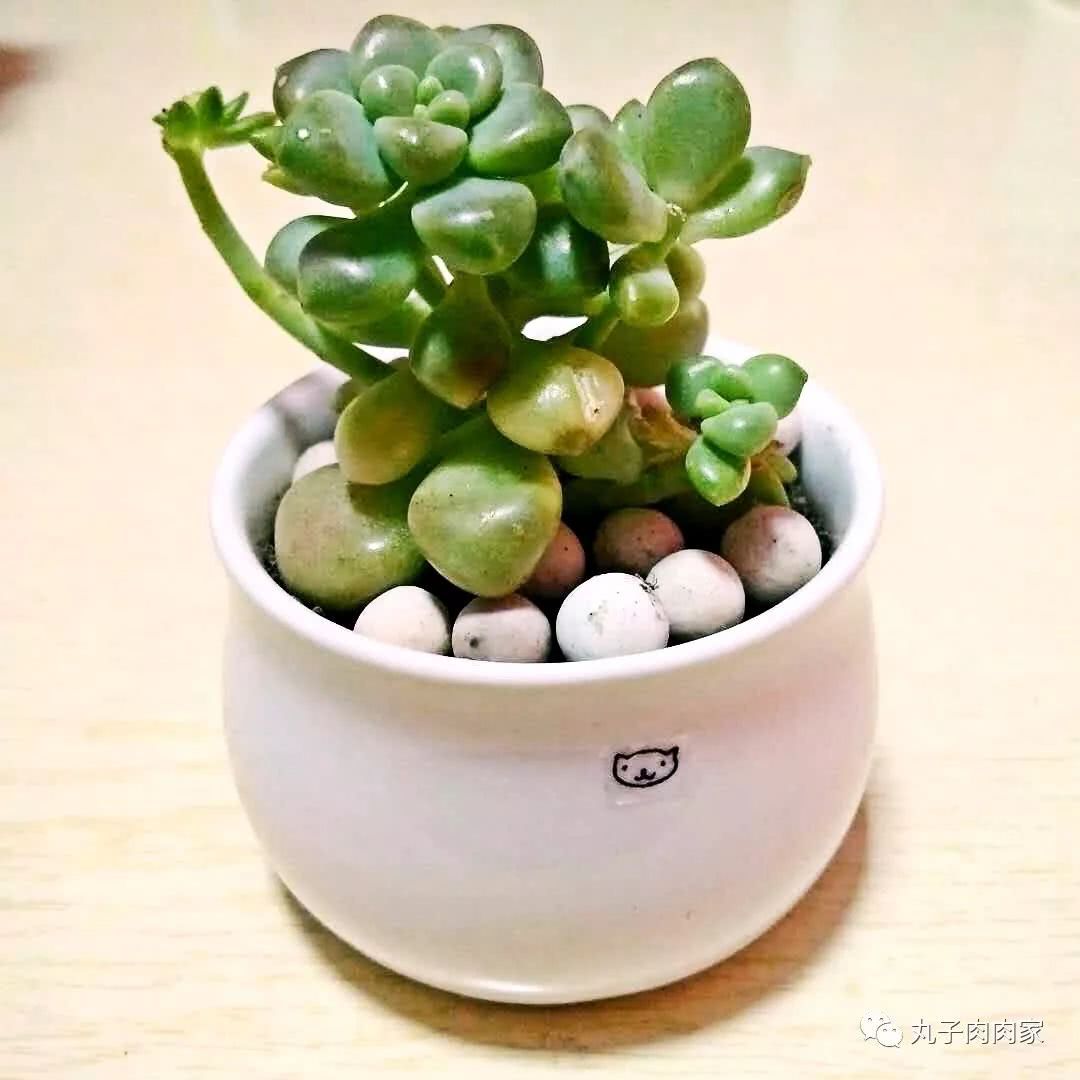
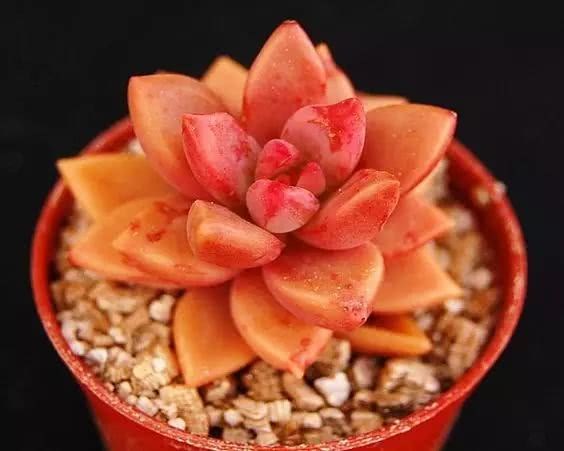
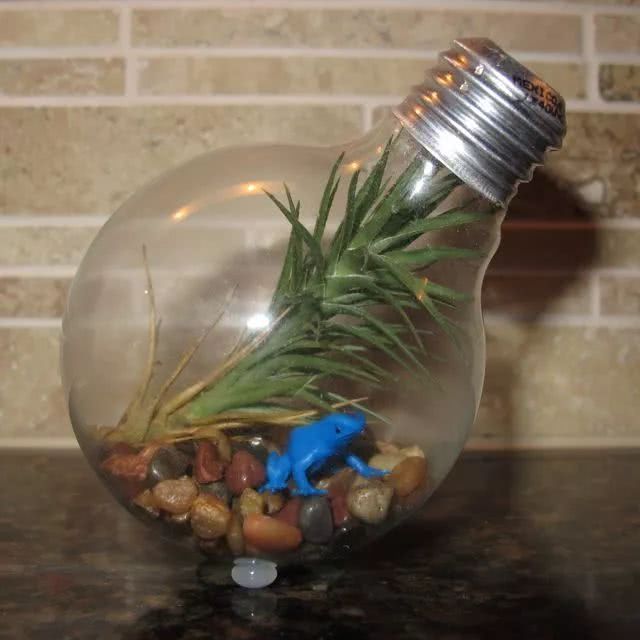
There are quite a few common types of unusual plants. Succulents store water in their thick leaves and can survive in arid environments, with small and lovely plant shapes; carnivorous plants can use their leaves to catch insects and supplement nutrients; the leaves of some foliage plants even change color with light and temperature, giving a strong sense of the seasons; and some epiphytic plants can grow normally in the air without relying on soil.
The ornamental value and practical value of these plants are both fairly prominent. Varieties with unusual shapes are suitable for display in a single pot, while small ones can be placed on an office desk to decorate the environment and relieve visual fatigue; leaves with changeable forms can also add interest to the home, making them a choice for many green-plant enthusiasts to start with and collect.
When caring for unusual plants, the key is to understand their native environment. Drought-tolerant types need controlled watering, keeping the potting soil on the dry side; light-loving ones can be placed in a ventilated, bright spot, while those afraid of sun need appropriate shading. The general principle is to follow their habits and fuss over them less; when the environment is suitable, they are often easier to keep in good condition than ordinary flowers and grasses.
Related reading