The hackberry tree (Celtis sinensis) is an adaptable, excellent landscaping tree species.
The hackberry (Celtis sinensis) is a deciduous tree of the genus Celtis. Its bark is grayish-brown and rough, and its leaves are mostly ovate with finely serrated edges; in autumn the foliage turns yellow, giving it some ornamental value. Its canopy is broad and its branches and leaves are dense, and it lives a long time, making it one of the widely used native tree species in China.
The hackberry is fairly widely distributed in China, and is especially common in the Yangtze River basin and areas to the south. It mostly grows on plains, along roadsides, or in sparse forests of low hills. It likes sunlight and a warm, humid climate, and is also drought-tolerant and tolerant of poor soil, with some resistance to smoke, dust, and harmful gases, so it is often chosen as a street tree, shade tree, and for greening industrial and mining areas. Its root system is well developed and it withstands wind well, so it can also be used for windbreaks and protecting embankments.
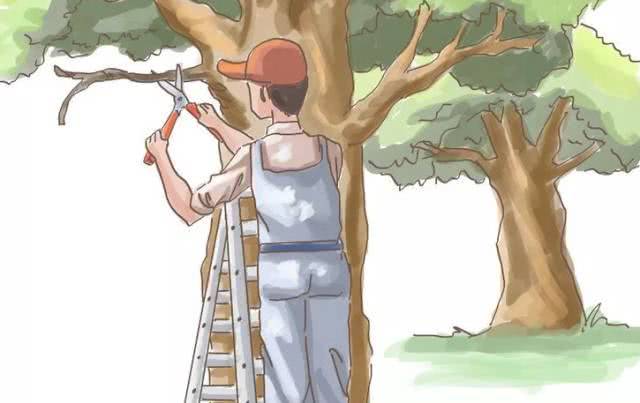
When cultivating the hackberry, choose a spot with plenty of sunlight and good drainage. It is not demanding about soil, but grows best in deep, fertile soil. During the young tree stage, water and fertilize appropriately; in the rainy season, pay attention to drainage to avoid root rot caused by prolonged waterlogging. The hackberry has strong sprouting ability and tolerates pruning well. During the growing season, remove buds promptly and thin out overly dense branches to maintain a good tree shape. It is also a common bonsai subject, and can be shaped into a vigorous, gnarled form through pruning and wiring.
In daily care, watch out for pests and diseases. The hackberry is relatively susceptible to aphids, stinging caterpillars (slug moths), and longhorn beetles; when found, spray promptly or cut off the affected branches. In addition, its drupes turn orange-red when ripe and can attract birds to feed, but the fallen fruit easily fouls the pavement, so when it is used as a street tree or planted in courtyards, it should be cleaned up regularly to keep the environment tidy.
Related Reading