Which trees are called living fossils? Ginkgo and dawn redwood are the most typical
Living fossil trees are rare tree species with very ancient origins that descend in an unbroken line from ancient plants and still survive in the world today. Most of their relatives went extinct over the long course of geological change, while these plants have largely retained the primitive form of their ancestors, so they are regarded as valuable material for studying plant evolution and are uniquely precious.
The trees most often called living fossils are ginkgo, dawn redwood (Metasequoia) and Chinese swamp cypress (Glyptostrobus pensilis). Ginkgo is one of the ancient extant gymnosperms, with fan-shaped leaves that are highly recognizable, and its wild populations have become quite scarce. The dawn redwood once existed only in the fossil record and was thought to have long been extinct, until living plants were later discovered in parts of our country, a discovery that caused a great sensation in the botanical world. The Chinese swamp cypress is equally ancient, preferring to grow by wetlands and water, and today it is also a rare tree species under key protection.
In addition, plants such as Cathaya argyrophylla, dove tree (Davidia involucrata) and cycads are also often included among the living fossils. Most of these plants have narrow distribution ranges and limited wild numbers, and are listed as rare protected plants; related in-situ conservation and artificial propagation work has been carried out continuously.
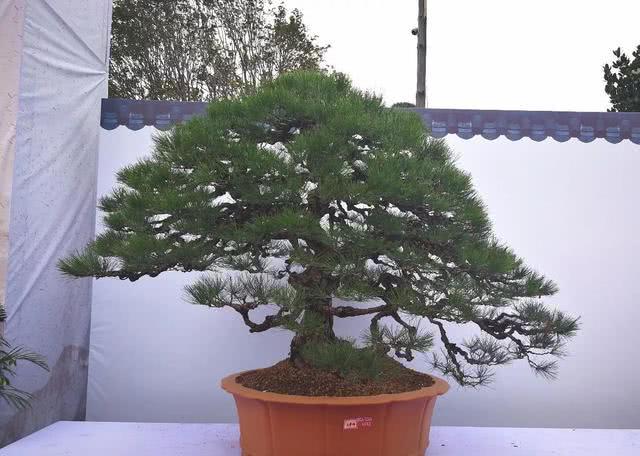
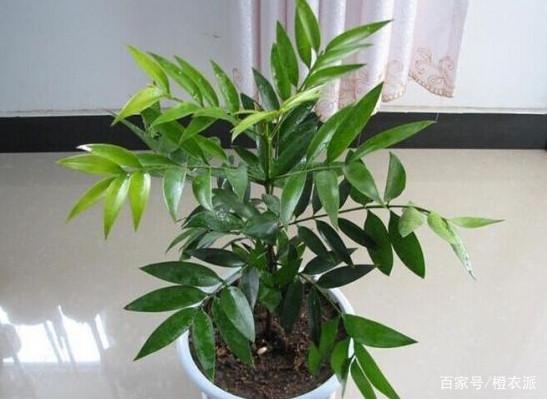
In everyday care, some living fossil tree species have also found their way into many households. For example, the Chinese swamp cypress has fine, dense branches and leaves and an upright tree form, and is often made into bonsai and pruned into shape; cycads have a simple, vigorous, ancient bearing, and keeping one at home is not only ornamental but also has a certain air-purifying effect. When caring for them, be careful to provide suitable light and water, and avoid waterlogging or prolonged direct sun exposure, so that the plants can grow robustly.