This potted houseplant is known as a living fossil, has elegant form, and can also purify the air and repel mosquitoes
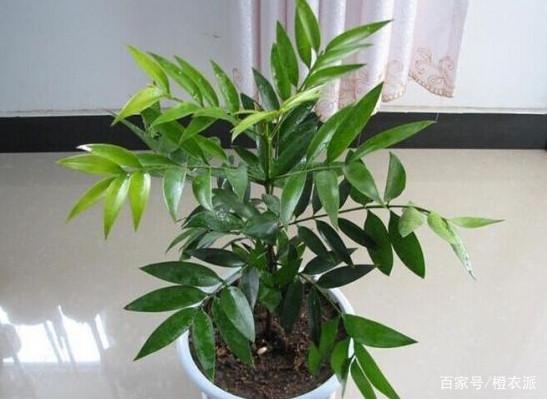
Podocarpus nagii (also known as the Buddhist pine) is relatively shade-tolerant and cannot stand harsh sun. From May to September, pay attention to shading it; you can set up a shade net or place the pot where there is no direct sunlight for care, so that strong direct light does not scorch the roots and stems and cause the plant to die.
Podocarpus nagii (also known as the Buddhist pine) likes a moist growing environment, but during everyday care you must strictly avoid waterlogging. Be sure to grasp the right amount and frequency of watering, and water only after the soil has dried. On ordinary days, you can mist the leaves more often to increase air humidity, making the leaf color deep green and glossy.
Podocarpus nagii (also known as the Buddhist pine) is a fairly common indoor plant in our daily lives. Because its leaves resemble bamboo leaves and its branches and trunk are like those of a cypress, it is called zhubai (bamboo-cypress).
Podocarpus nagii (also known as the Buddhist pine), also called luohanchai, gets its name because its leaves are parallel like bamboo leaves. Podocarpus nagii is an ancient gymnosperm and is known as a "living fossil." A potted Podocarpus nagii stays evergreen through all four seasons, with deep green leaves and an elegant form, and it continually gives off a wafting fragrance all year round.
Podocarpus nagii (also known as the Buddhist pine) has the effects of purifying the air, resisting pollution and strongly repelling mosquitoes, and has relatively high ornamental, ecological, medicinal and economic value.