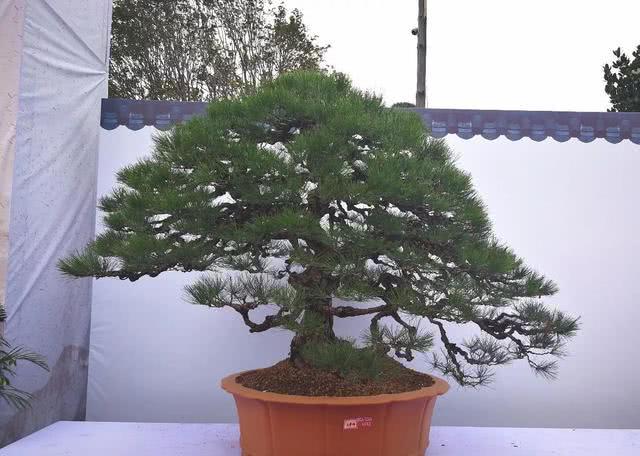
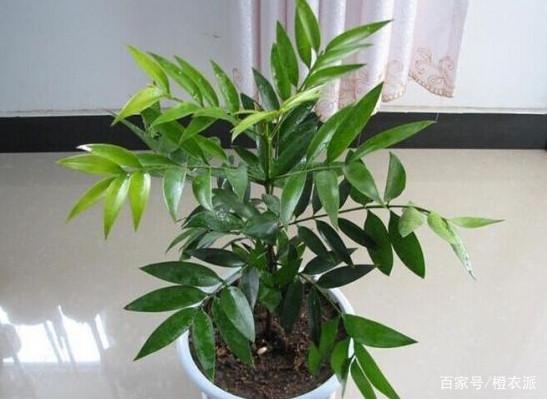
The trees known as living fossils are most typically the ginkgo, dawn redwood, Chinese swamp cypress and Cathaya.
Living fossil is the popular term for plants with ancient origins that were once flourishing but now survive in only a few wild populations, with a form essentially identical to that in ancient fossil records. Among trees, the ginkgo, dawn redwood, Chinese swamp cypress, Cathaya and dove tree are all widely called plant living fossils.
The ginkgo is one of the oldest surviving tree species; ginkgo-type plants had already spread across the earth in the age of the dinosaurs, and today wild trees survive only in a few areas of our country. Its leaves are uniquely shaped, and in autumn the whole tree turns golden, making it both a common street tree and shade tree, and often pruned and shaped into bonsai.
The dawn redwood and the Chinese swamp cypress both belong to ancient relict tree species; both were once thought to have disappeared in the wild, and were later rediscovered in the mountainous areas of our country, attracting great attention. They have upright tree forms and like warm, humid environments; the Chinese swamp cypress is relatively tolerant of water and damp and can grow in low-lying waterlogged places, and is also suitable for training through pruning into gracefully shaped bonsai.
These living fossil tree species are precious partly because they preserve historical information about plant evolution and have high scientific research value; on the other hand, most of them are rare in the wild, and quite a few species have been included in the national key protected plant list. In daily cultivation, most of these tree species like conditions with ample light and moist but not waterlogged soil, and they are fairly suitable for courtyard planting or indoor potted display; with proper care they can also beautify the environment and purify the air.