Shade-tolerant plants are suitable for care in indoor environments with insufficient light
Shade-tolerant plants are a category of plants that can maintain normal growth even under weaker light conditions. Their leaves are usually larger and thinner, allowing them to make full use of indoor scattered light for photosynthesis, but they cannot tolerate prolonged direct exposure to strong light. Most of these plants grow at a gentle pace and have relatively strong adaptability to their environment.
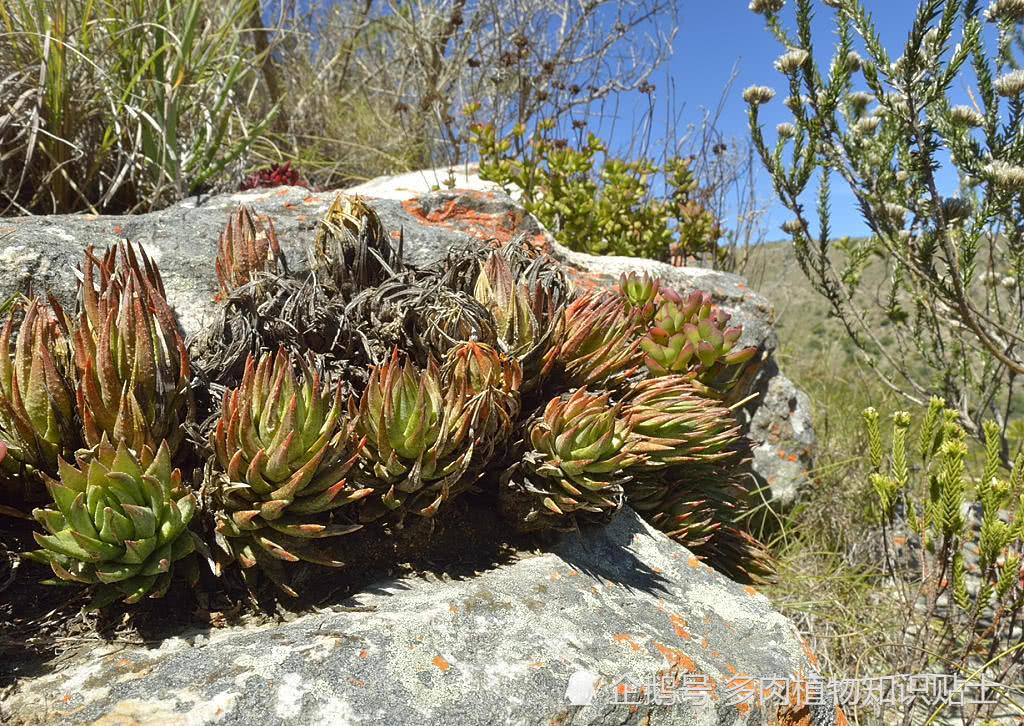
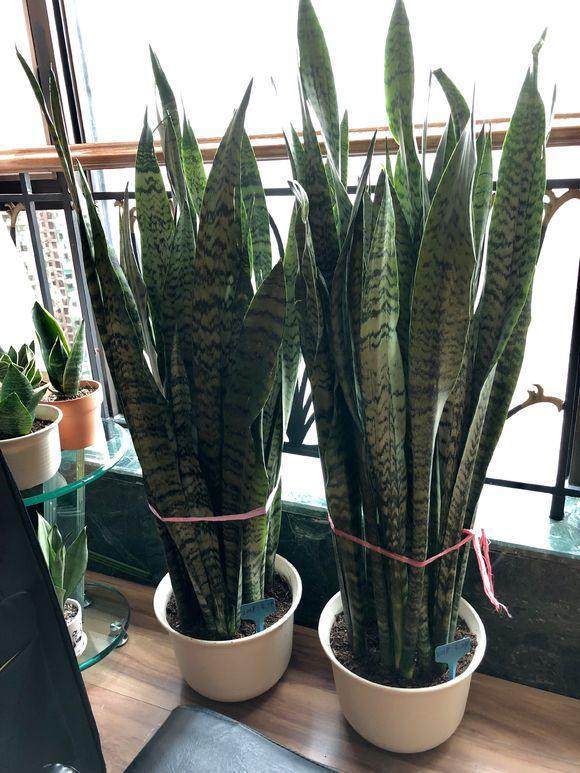
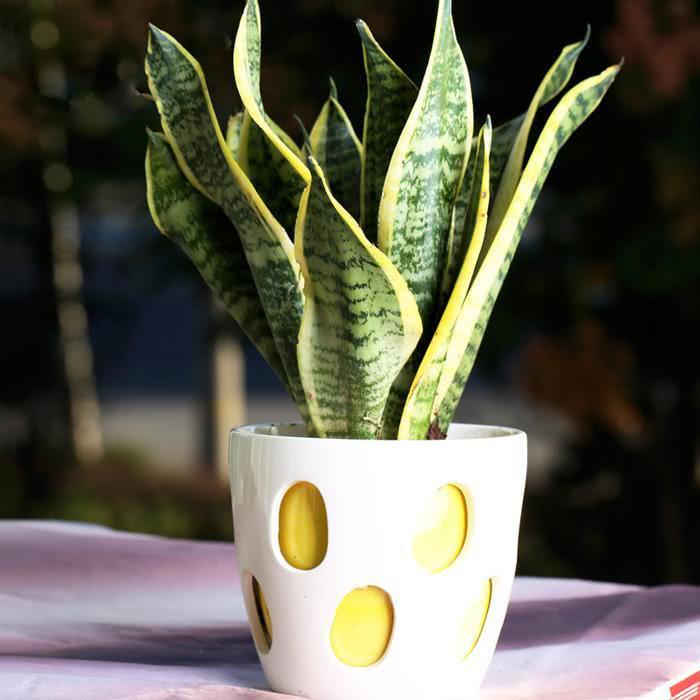
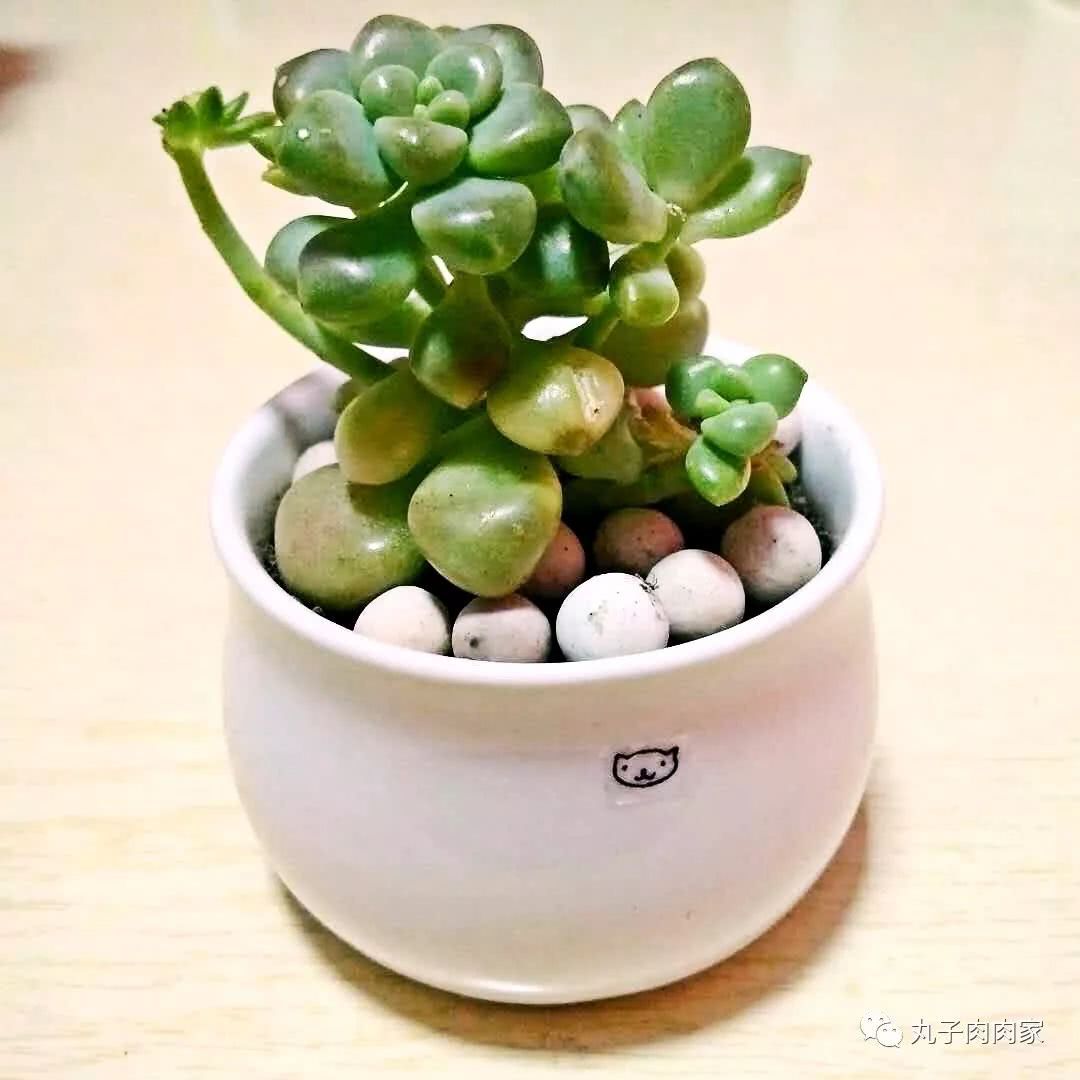
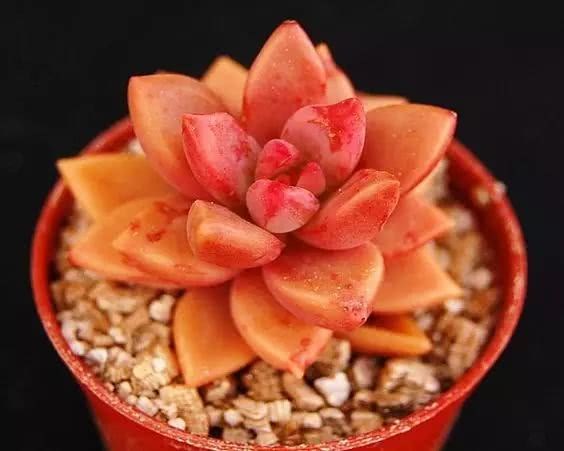
Common shade-tolerant plants are mainly foliage plants, such as pothos, Swiss cheese plant, lucky bamboo, cast-iron plant, snake plant, and various ferns. Perennial flowers often used in courtyard landscaping, such as hostas and coral bells, also have good shade tolerance. By contrast, most succulents still need ample light, and only a few species can adapt to low-light environments.
When caring for these plants, note that shade tolerance does not mean they prefer shade; long periods of complete darkness will also cause the leaf color to fade and the plant to become leggy. It is best to place them in a spot with bright scattered light, and water according to the principle of watering when dry and letting them dry out between waterings, to avoid root rot caused by the potting soil staying wet for a long time. When indoor ventilation is poor, you should also open the windows appropriately to let air circulate, reducing the occurrence of pests and diseases.
Shade-tolerant plants are very suitable for placing in living rooms, studies, office desks, and other spaces with average lighting. They can both decorate the environment and help relieve visual fatigue. For people with limited light conditions or little plant-care experience, starting with shade-tolerant plants makes the care difficulty much lower.
Related Reading