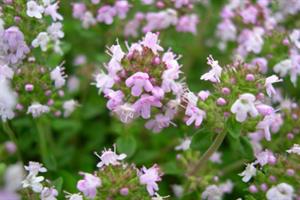
A Detailed Guide to Rosemary Planting Methods and Daily Care Essentials
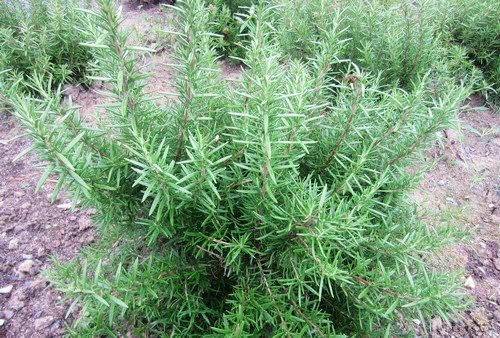
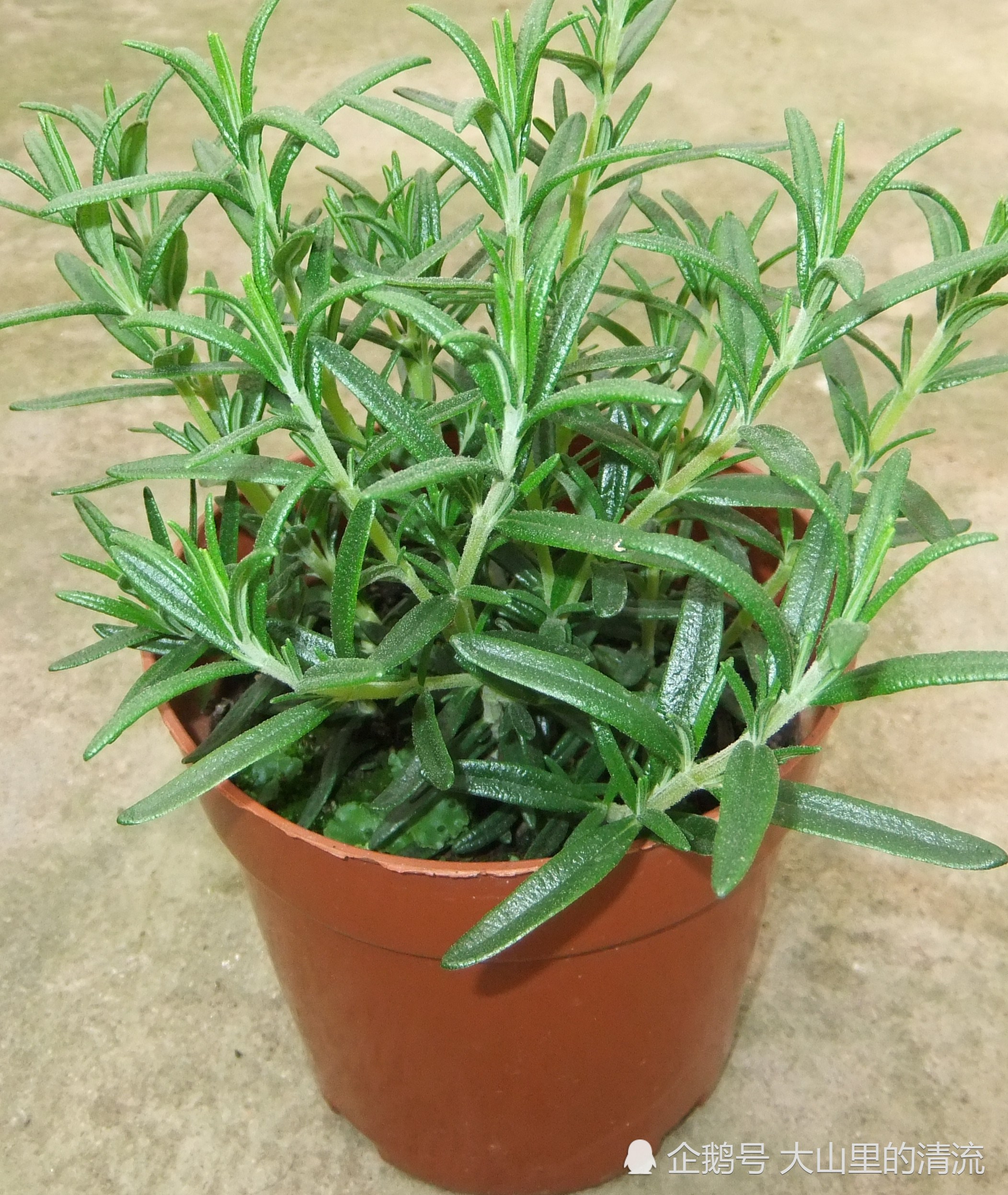
Rosemary is an evergreen aromatic shrub in the genus Rosmarinus of the mint family (Lamiaceae), native to the Mediterranean coastal region, with slender needle-like leaves that give off a fresh, lasting fragrance. It can serve as an ornamental plant to adorn courtyards and balconies, and can also be used for cooking and seasoning or for extracting essential oil, making it one of the most popular herbs in home gardening.
Rosemary prefers a sunny, warm and dry environment, and is best planted in loose, breathable, well-drained sandy soil. It has a certain tolerance for drought and poor soil, but it is very afraid of waterlogging; if the potting soil stays wet for a long time, root rot is easily triggered. Spring and autumn, when temperatures are mild, are suitable periods for potting up and transplanting.
In daily care, watering should follow the principle of watering when dry and letting it dry between waterings: wait until the surface of the potting soil is dry, then water thoroughly, and avoid frequent top-ups. Rosemary has low fertilizer needs; a small amount of diluted liquid fertilizer during the peak growing season is enough to meet its requirements. Regular pruning not only keeps the plant compact and tidy in shape, but also encourages side branches to sprout, making the plant grow more luxuriant.
For propagation, cuttings are the most commonly used method: select healthy semi-lignified branches, insert them into a moist, loose medium, maintain moderate humidity and indirect light, and once roots form they can be transplanted. Although sowing is also possible, seedlings emerge rather slowly, so home growers mostly use cuttings, which also give a more satisfactory survival rate.
During the growing process, if you find the branches and leaves drying out and turning yellow, it is usually related to overwatering, poor ventilation or insufficient light. The plant's position should be adjusted promptly and the dead branches pruned away, and the plant will usually gradually recover its vigor. As long as it is given plenty of sunlight and good ventilation, rosemary will stay green all year round and give off its pleasant fragrance at all times.
Related Reading