What is the flower language of rosemary? It is both ornamental and refreshing
Rosemary originated along the Mediterranean coast. It has a cool, grassy scent and a sweet camphor aroma. Europeans have long regarded it as a stimulating herb, and the unique fragrance of rosemary can inspire people with an uplifting spirit. Rosemary has been so beloved since ancient times, so what is the flower language of rosemary? Let's take a look together below.
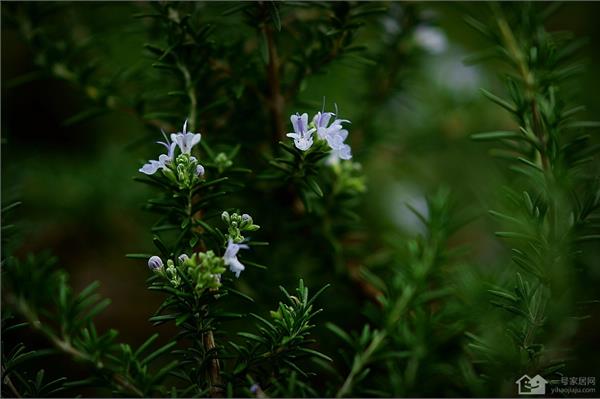
I. The meanings of rosemary
1. Remembrance: Rosemary is defined as a symbol of love, fidelity and friendship, and its flower language is remembrance, wiping away the sorrow of memories (I will not forget the promise you gave me; please keep your love for me forever, miss me, think of me).
2. Commemoration: Italians would throw sprigs of rosemary into the graves of the deceased at funeral ceremonies, representing respect and remembrance for the dead. In Victorian-era England, the flower language of rosemary also carried the meaning of commemoration, symbolizing lasting love, steadfast friendship and eternal remembrance.
II. The flower language of rosemary
Rosemary flower language 1: Wipe away the sorrow of memories.
Rosemary is defined as a symbol of love, fidelity and friendship. Italian girls would take flowering rosemary, gently tap it on the fingers of their sweethearts, and look forward to a positive response from the other person. At weddings, it was woven into a crown and placed on the heads of the newlyweds, representing fidelity. In Italy, the flower language of rosemary is respect and remembrance. At funeral ceremonies, people would throw sprigs of rosemary into the graves of the deceased, representing respect and remembrance for the dead.
Rosemary is a plant whose whole body exudes fragrance. Its leaves are evergreen and are regarded as a symbol of eternity. Picked rosemary leaves remain evergreen and do not wither, so people associate rosemary with longing. In Rome, rosemary is considered a sacred herb that can bring happiness.
In memories there are always things that are hard for me to forget, things engraved on my heart. Whenever these things with a faint sorrow, hidden deep in my mind, surface before my eyes, I cannot help but be filled with tears. Who says time can smooth over the wounds in the heart and let all these unforgettable things of the past vanish like smoke? The pain of the past always remains in that moment. The earth still turns, but my thoughts always stay in that moment, and tears naturally flow slowly down.
An old famous English ballad: When you fall in love with someone, when you miss someone, bring your love and longing and come to a field full of blooming flowers. Facing the swaying rosemary, gently tell it your thoughts. The person you love, the face you miss, will appear before your eyes. Memory is a rosemary plant, and the essence of memory is just like the flower language of rosemary: wipe away sorrow in memory, you make me reborn. I do not remember since when I fell in love with using a cup of rosemary instead of a cup of lavender, using the flower language of forgetting instead of waiting for love.
Rosemary flower language 2: Keep the memories.
Since the 16th century, Europeans and Americans have often planted a rosemary on the graves of the departed, representing eternal life, love and beautiful remembrance. In Hamlet there is this classic line: "Rosemary, that's for remembrance; pray, love, remember."
Rosemary leaves are evergreen, and the whole plant gives off fragrance, so it is regarded as a symbol of eternity. Rosemary is considered a symbol of love, fidelity and friendship. When rosemary is picked, its leaves will not wither with the passing of time. Rosemary remains evergreen and does not decline, so people associate rosemary with longing. In Rome, rosemary is considered a sacred herb that can bring happiness.
Finally, that is all for the introduction to the flower language of rosemary. Rosemary has always been a plant with a wide range of uses and a legendary quality. If flower lovers like it, they can also grow a pot of rosemary indoors. It can serve as an ornamental plant and also refresh the mind.