Characteristics of Cypress Vine and How to Grow and Care for It at Home
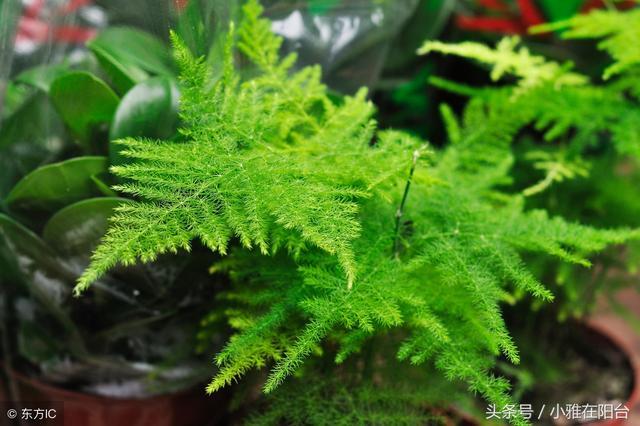
Cypress vine (Ipomoea quamoclit) is an annual twining herbaceous plant in the Convolvulaceae family, also known as cypress vine, dragon grass, or five-star flower. It is native to tropical America and is now very common in gardens across China. Its stems and vines are slender and soft, and its leaves are finely divided, feather-like, giving the whole plant a light and delicate look. The small trumpet-shaped or five-pointed-star-shaped flowers are mostly bright red, dotted among the green leaves, and highly ornamental.
The commonly cultivated cypress vines mainly include the feather-leaved cypress vine, the maple-leaved cypress vine, and the round-leaved cypress vine, among which the feather-leaved cypress vine is the most widespread, with leaves as fine as feathers and small, vivid flowers. Different varieties differ slightly in leaf shape and flower color; some bear white or pink flowers, so you can choose according to your garden style.
Cypress vine likes a warm, sunny environment and is not cold-tolerant. It is generally sown in spring and grows rapidly after germination. During care, keep the soil moist but not waterlogged. During the growing season, you can apply additional fertilizer as appropriate, and set up supports or train it onto a fence or trellis for climbing. The more abundant the light, the more profuse the flowering; insufficient light tends to cause leggy growth and sparse blooming.
Cypress vine has slender branches and leaves and abundant flowers, making it suitable for flower walls, flower hedges, balconies, and trellises, creating a fresh and natural landscape effect. Because it is easy to manage and easy to propagate, it is also a common choice for beginners starting with climbing flowers. As long as it gets plenty of sunlight and climbing space, it will continue to bloom throughout summer and autumn.
Related Reading