Pollution-Tolerant Plants That Are Great for the Home: Common Varieties and Care Tips
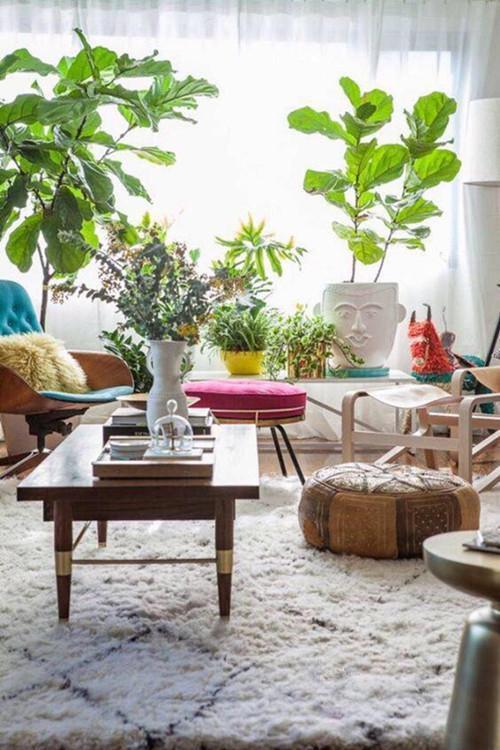
Pollution tolerance refers to a plant's ability to keep growing normally in a polluted environment while trapping dust on its leaves and absorbing some harmful gases. Plants with this trait are often used for indoor greenery, courtyard landscaping, and green belts along roads and on both sides of factory areas. They beautify the surroundings and, to a certain extent, help improve the air quality around them.
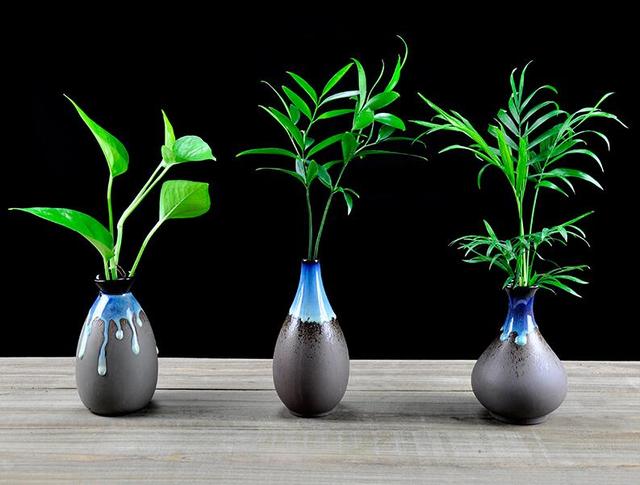
Most pollution-tolerant plants are tough and easy to grow, with undemanding light and water needs. Their leaves are relatively thick or have rough surfaces that readily hold dust, and they also tolerate smoke and exhaust fumes to some degree. Common varieties include pothos, spider plant, snake plant, English ivy, rubber plant, and Swiss cheese plant. Many of them can also be grown hydroponically, making them suitable for the living room or study.
For care, wipe the leaves regularly with a damp cloth to keep dust from clogging the stomata and reducing their absorbency. Water according to the principle of letting the soil dry out before watering again, to prevent root rot and yellowing leaves. Place them away from kitchens with heavy cooking fumes and spots hit by direct air-conditioning airflow; a well-ventilated environment helps the plants do their job better.
One reminder: a plant's air-purifying effect is slow and limited, and it cannot fully replace opening the windows for ventilation. Newly renovated rooms especially need plenty of ventilation, and pairing that with a few pots of pollution-tolerant plants will make the indoor environment more comfortable and pleasant.
Related Reading