Crassulaceae plants come in rich variety; master their characteristics and care essentials to grow them more easily
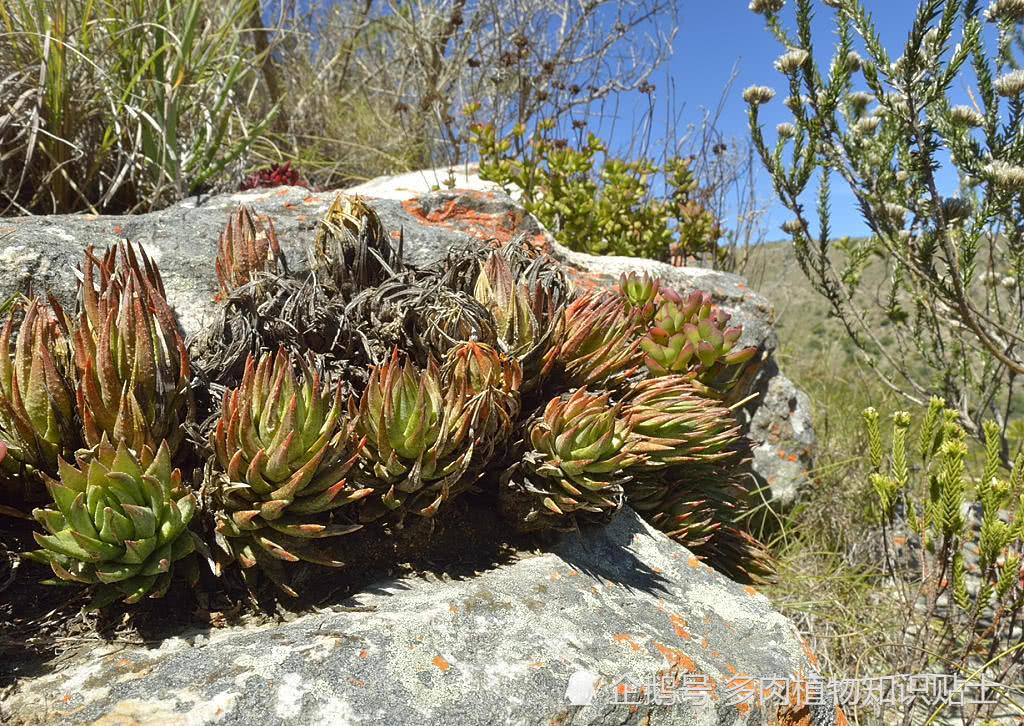
Crassulaceae is a large family in plant taxonomy, and the vast majority of its members are perennial herbs or subshrubs with thick, plump leaves and a strong water-storage capacity, so they are often grouped among the succulents. This family is widely distributed around the world, and many of its members originated in regions with abundant sunshine and a dry climate.
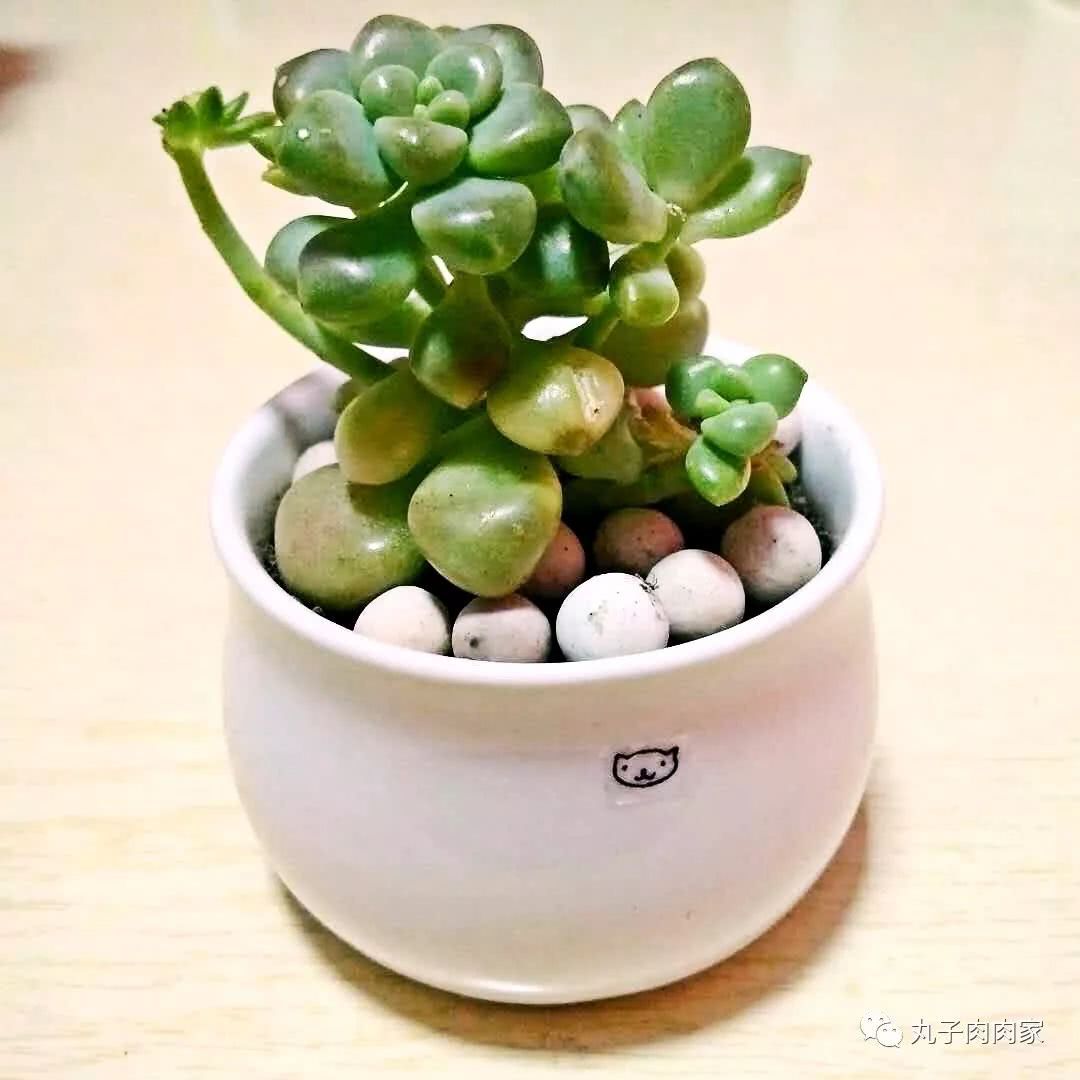
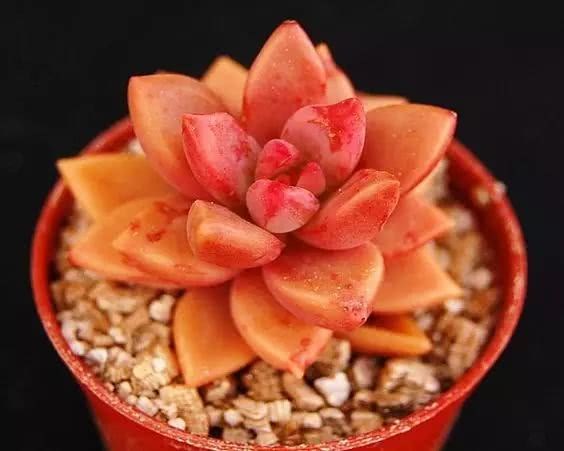
The typical characteristics of Crassulaceae plants are drought tolerance and a fear of waterlogging, and they like environments with plenty of sunlight and good ventilation. In many varieties, when light is sufficient and the day-night temperature difference is large, the leaves turn from green to red or take on rich colors, making them highly ornamental. It is also precisely because the leaves can store water that they do not easily run into trouble even if you occasionally forget to water them, making them very suitable for busy office workers to tend.
Common Crassulaceae plants include several groups such as Echeveria, Sedum, Crassula, Sempervivum, and Kalanchoe. The familiar succulents Echeveria, jade plant, Kalanchoe blossfeldiana, Sedum lineare, and Sempervivum, among others, mostly come from this family. Plant shape and leaf form differ noticeably among the different genera; some grow into compact rosettes, while others are shrub-like or grow creeping, so there is a great deal to choose from.
When caring for Crassulaceae plants at home, the key points are soil mix and watering. It is recommended to use a loose, breathable, well-draining gritty soil, and to water according to the principle of watering when dry and letting it dry between waterings, avoiding long-term moisture in the potting soil that can cause root rot. In summer, when temperatures are high, some varieties enter a dormant state and need appropriate shading and reduced watering. Propagation is mostly done by leaf cuttings or stem cuttings, which is simple to do and also has a relatively high survival rate.
Related reading