Detailed Guide to Rockery Making: From Stone Selection to Stacking Made Easy
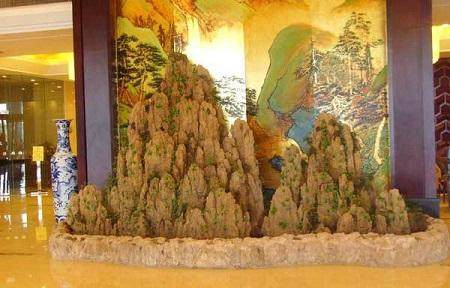
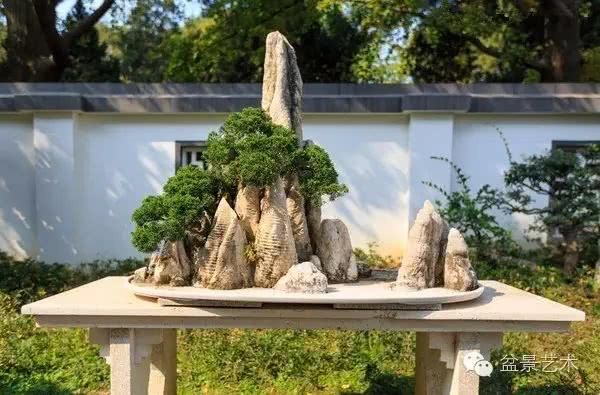
Rockery making refers to a complete set of craft processes for creating a natural mountain scene in a courtyard, on a balcony or indoors using rocks, cement and other materials. It emphasizes being inspired by nature yet surpassing nature, and through sensible material selection and clever layout, it lets a limited space present the mood of layered peaks and ridges. Once you have mastered the basic method, even a beginner can build a small rockery with good results.
The stones commonly used in rockery making include Taihu stone, Yingde stone, ax-cut stone, turtle-vein stone and others. Different stones have their own characteristics in texture, color and shape, and they should be chosen according to the style of the shape you want. Besides natural stone, you can also use cement and bricks to build a framework, then use rock-sculpting techniques to create an imitation mountain effect. This method allows free shaping and is relatively light in weight, making it suitable for places with limited load-bearing capacity such as rooftops or balconies.
In actual construction, you generally first sketch a draft to determine the rockery's height variations and the relationship between primary and secondary parts, then build the foundation according to the drawing. The foundation must be made solid, and then the stones are stacked layer by layer from the bottom up, following the principle of large stones below and small stones above, with the stones bonded and fixed to each other with cement mortar. During stacking, you should also pay attention to details such as caves, platforms and water openings, so that the mountain body looks natural and lively and avoids traces of stiff piling.
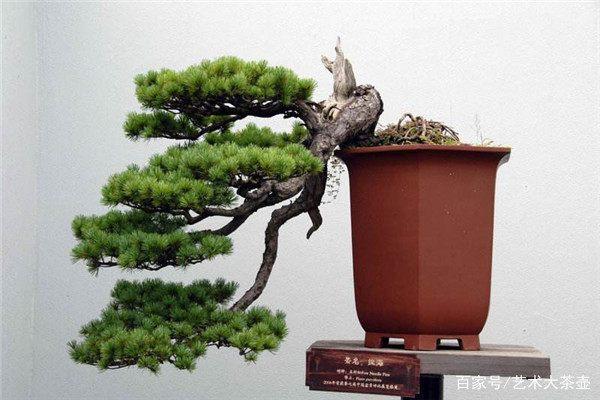
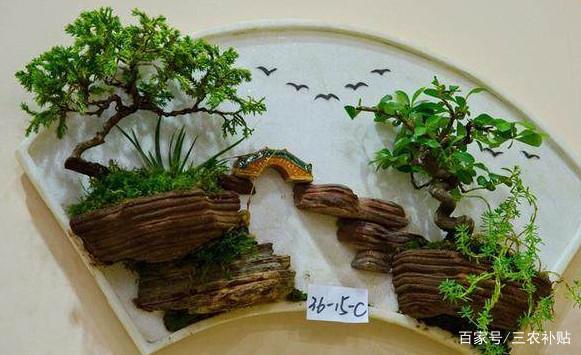
Rockeries are often combined with flowing water, waterfalls and greenery. Placed in a corner of a courtyard or balcony, they can noticeably enhance the layering and taste of the environment. Daily maintenance mainly involves checking whether the stone seams have cracked and promptly clearing fallen leaves and debris; if moss or small grasses are planted on the mountain body, you also need to pay attention to moisture retention and appropriate shading, so that the whole landscape keeps its vitality and beauty over the long term.
Related Reading