Characteristics, Common Varieties and Care Methods of Sedum Succulents
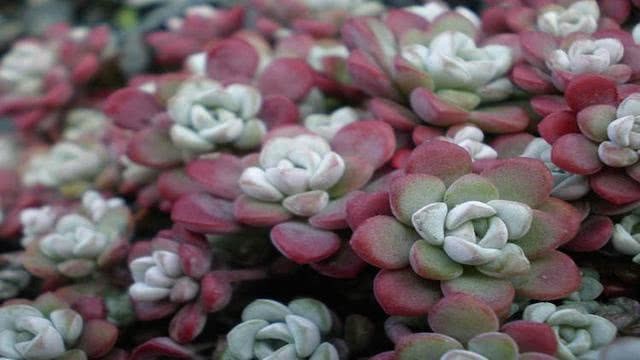
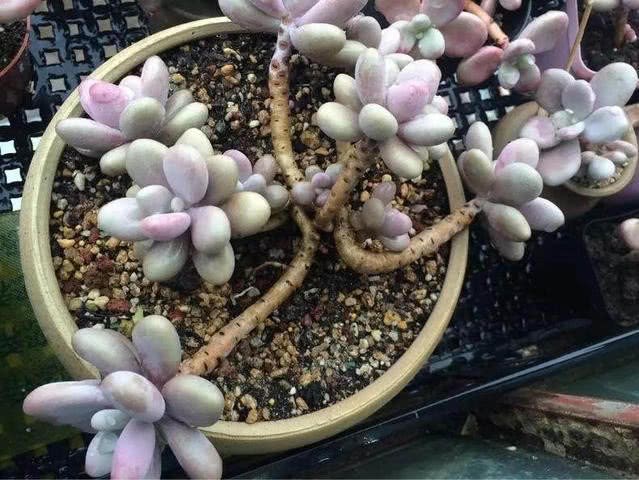
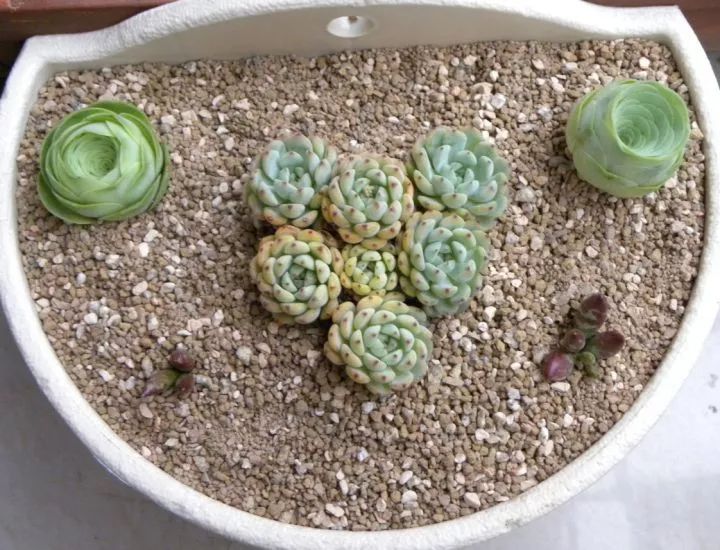
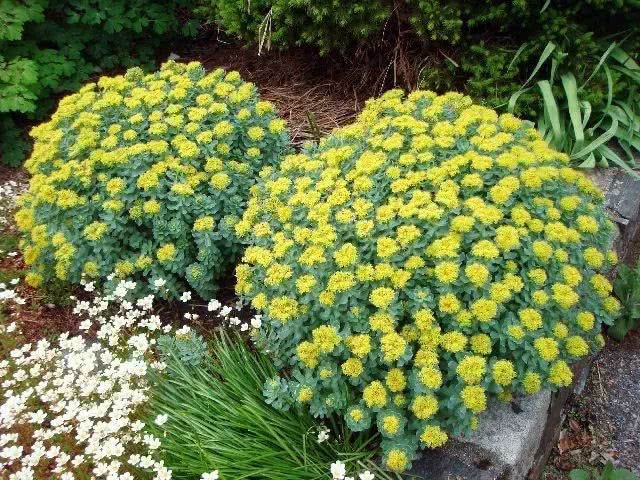
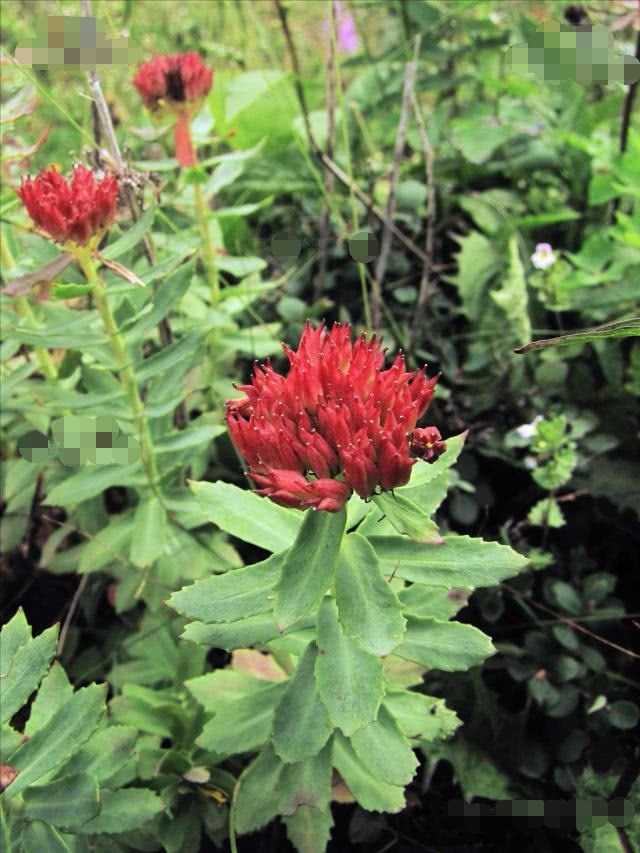
Sedum is a large genus in the family Crassulaceae, consisting mostly of annual or perennial succulent herbs, with a few being subshrub-like. The plants have thick, juicy leaves that are often alternate, opposite or whorled, and small, densely clustered flowers usually arranged in cymes, with petals typically four to five in number and colors ranging from yellow, white, pink to red and more. The genus is extremely species-rich and widely distributed across temperate and subtropical regions, with particularly abundant resources in the mountainous areas of southwestern and northern China. Commonly cultivated species include Sedum lineare, Sedum sarmentosum, Sedum rubrotinctum, Sedum 'Harry Butterfield' and Sedum hispanicum, with growth habits ranging from creeping groundcover to upright clumping, offering highly diverse ornamental forms. It should be noted that the plants gardeners often mention, Rhodiola and Cotyledon tomentosa, do not belong to the genus Sedum; the former belongs to the genus Rhodiola and the latter to the genus Cotyledon, which can easily cause confusion when purchasing. Sedum plants are drought-tolerant and tolerate poor soil, requiring minimal management; they can be used as succulent potted plants to adorn balconies and desks, and are also commonly used for flowerbed edging, ground cover and roof greening. Sedum sarmentosum, Sedum lineare and others have strong creeping habits and rapid growth, making them common materials for ground cover and slope protection; some species also have a folk medicinal tradition, but a professional should be consulted before use. For care, Sedum prefers a sunny, well-ventilated environment; with sufficient light the plants stay compact with vivid leaf colors, while insufficient light leads to leggy growth. The soil should be loose, breathable and well-draining, and watering should follow the principle of soaking thoroughly after the soil dries out, avoiding prolonged moisture in the pot that can cause root rot. During high summer temperatures some varieties enter dormancy and need appropriate shading and reduced watering; propagation is mainly by leaf cuttings and stem cuttings, with a high survival rate that even beginners can manage easily.
Related Reading