How to cultivate a fresh Diospyros cathayensis stump? A bonsai illustrated tutorial that you can understand at a glance
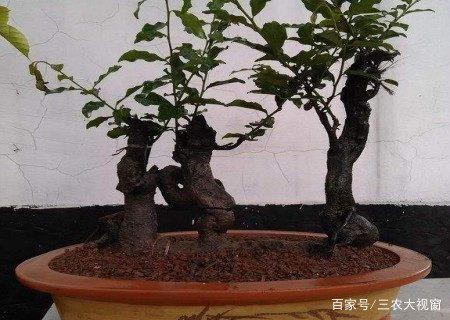
From a pile of Diospyros cathayensis stumps to potting one up, it is best to go step by step, but this process requires mastering some methods and techniques, and also careful operation. Otherwise, problems will arise in the cultivation process of the fresh stump. So, how are Diospyros cathayensis stumps potted up from a pile?
The top production process of Diospyros cathayensis stumps requires cleaning, disinfection, pruning, planting and filling. Next, the editor will share an illustrated explanation of Diospyros cathayensis stump cultivation with everyone.
The first step is to clean the soil off the Diospyros cathayensis pile, soak it in clean water for about 2-3 hours, and then soak it in a carbendazim or potassium permanganate solution for half an hour to disinfect.
The second step is to apply pre-prepared erythromycin ointment to the cut stem sections of the Diospyros cathayensis and wrap them up to prevent excessive evaporation.
The third step is mainly the potting and transplanting process, which requires the soil to be porous, breathable and permeable; the recommended option is to use [it]. When the potting soil covers the stump, it is recommended to fill the soil in fully and water the soil. This ensures the soil is completely in contact with the remaining stump and ensures sufficient moisture.
The fourth step is to use the high cultivation method to improve the survival rate of the stump. You can use an empty instant noodle box, then enclose it over the remaining stump on the surface of the pot, and then fill the box with cultivation soil.
The fifth step is to wrap the main part of the instant noodle box in the air and cover it with plastic wrap to achieve the purpose of moisture retention. However, care should be taken not to keep the plastic wrap too tight, to avoid buds breaking through the plastic wrap. It is recommended to prick small holes at the bud points so that the later buds can grow smoothly.
The sixth step, if the temperature is low, we can provide warmth by means of an old accumulation bag, but it is recommended to change the air every few days, usually at relatively high temperatures.
The above is the process explaining the planting steps of Diospyros cathayensis; I hope it can help you, and I wish you success in cultivating a Diospyros cathayensis bonsai soon.