What to Do If Diospyros cathayensis Does Not Bear Fruit? Causes and Solutions
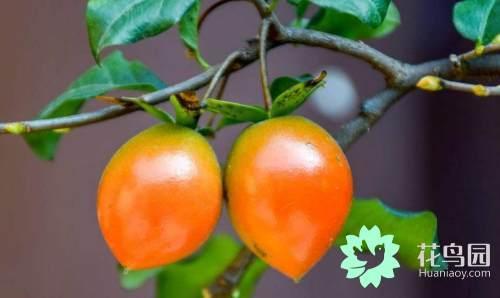
Diospyros cathayensisis a plant that many households now like to grow, because it has high ornamental value, with its main ornamental points being its flowers and fruit. However, many people find that it does not bear fruit when growing it, so how should this be solved?
When Does Diospyros cathayensis Bear Fruit
Diospyros cathayensis generally blooms in March, female plants generally begin to set fruit in May, and in October the fruit turns orange-yellow, just like a pellet. Male plants generally do not bear fruit, and even if they do, they will not bear much fruit, but they can be made to bear fruit through grafting.Diospyros cathayensisautumn flowers can also bear fruit, but the fruit is smaller than that of Diospyros cathayensis that blooms in spring.
What to Do If Diospyros cathayensis Does Not Bear Fruit
1. Pruning. Focus on thinning branches, with light pruning as a supplement, combining bud removal and pinching. Emphasize cutting off inner-canopy branches, overlapping branches, upright branches, crossing branches, diseased and pest-infested branches, etc. For leggy branches, do not keep them on vigorous trees; on old or weak trees or where a certain part lacks branches, they can be retained, and after growing to a certain height they can be pinched to serve as reserve branches. From the fruit-setting stage to the young fruit swelling stage, use the method of pinching to control the sprouting of new shoots and avoid fruit drop caused by imbalanced vegetative growth. For fruit-bearing branches of the current year, the buds below the fruit-bearing node should be thinned out, and for buds above the fruit-bearing node, counting from the fruit-bearing node, keep 4 leaves and pinch.
2. Fertilization. In spring, mainly use nitrogen fertilizer. Commonly used nitrogen fertilizers include ammonium sulfate, human manure and urine, cake fertilizer, etc., which can promote branch growth and produce more new branches, preparing for cultivating new fruit-bearing branches. During the flower bud differentiation stage, mainly use phosphorus fertilizer to promote flower bud differentiation. Starting half a month before flower bud differentiation until the end of differentiation, apply phosphorus fertilizer once a week, such as potassium dihydrogen phosphate, superphosphate extract, etc. In the later stage of branch growth, mainly use potassium fertilizer. Commonly used potassium fertilizers include potassium nitrate, plant ash, etc. Combine with repotting or carry out partial soil replacement during the slow growth period, and at the same time apply more cake fertilizer, bone meal fertilizer, hoof and horn pieces, etc.
3. Artificial pollination and flower and fruit thinning. When female flowers bloom relatively few, artificial pollination can be carried out. Placing it in an environment with male plants, pollination by bees and butterflies, etc., can also allow normal fruit set. Sparse fruiting in Diospyros cathayensis is often related to tree age and growth condition. A portion of flower buds can be removed in combination with pruning, and deformed flowers, diseased and pest-infested flowers, deformed fruits, and diseased and pest-infested fruits can be thinned out. Generally, the ratio of leaves to flowers is 3:1, and the ratio of leaves to fruit is 15:1.
Why Diospyros cathayensis Does Not Bear Fruit
PottedDiospyros cathayensisThe main reasons for not bearing fruit or bearing few fruits are: dioecious plants, male plants do not bear fruit, or female flowers on female plants bear few fruits due to poor pollination; lack of fertilizer or improper fertilizer ratio; being placed in a shady and humid environment for a long time, causing excessive vegetative growth, or failure to control water during the flower bud differentiation stage, resulting in no fruit or a large amount of fruit drop after setting fruit; failure to repot and change soil in time, causing serious leaching of nutrients in the potting soil, compaction of the soil in the pot, and nutrients being unable to meet the needs of Diospyros cathayensis for fruiting; failure to prune in time, failure to cultivate fruit-bearing branch groups, etc.
The flowering period of Diospyros cathayensis is in early spring every year, so friends who like it should not miss it. If Diospyros cathayensis does not bear fruit during cultivation, you can start by addressing fertilization, pollination, pruning, and other aspects, strengthen care, and I believe it will definitely increase its fruit-setting rate.