Flower jade is a drought-tolerant and easy-care succulent potted plant: water when dry, and root rot is unlikely
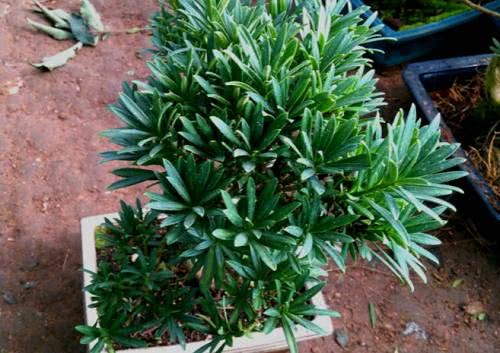
Flower jade is a relatively common succulent plant, with thick, plump leaves that are slightly glossy on the surface and a compact, small plant form, making it very suitable as a small potted plant placed on a windowsill, desk or balcony. It is robust by nature, has good drought tolerance, is fairly friendly to beginners, and puts little pressure on daily care.
In daily care, flower jade likes a warm, dry environment with plenty of sunlight. The soil should be loose, breathable and well-draining; it can be mixed from peat soil with an appropriate amount of granular soil. Watering follows the principle of water when dry, and it is better to keep it dry than wet; watering before the potting soil has dried through easily causes stuffy roots and root rot. With sufficient light, the plant form is compact and the color is attractive; with long-term lack of light, it easily becomes leggy, the spacing between leaves increases, and its ornamental value noticeably declines.
Pay more attention when the seasons change. During the high-temperature period in summer, strengthen ventilation, provide appropriate shade, and reduce watering; when the temperature is low in winter, move it to a bright place indoors and keep the potting soil on the dry side, which can help it overwinter safely.
Propagating flower jade is not difficult; both leaf cuttings and stem cuttings have relatively high survival rates. Remove healthy, intact leaves and lay them flat on slightly moist soil; once they take root and sprout, care for them normally. Trimmed branches can be dried until the wounds heal and then inserted as cuttings, and they can also take root quickly.
The most common problems in care are leggy growth and root rot. The former is mostly caused by insufficient light, while the latter is mostly caused by watering too frequently. As long as water is controlled properly and it gets plenty of sun, flower jade can be grown fuller and fuller, and over time it can even be grown into an old stump with higher ornamental value.
Related reading