The flowering period is the time span during which a plant blooms; understanding flowering patterns helps with care
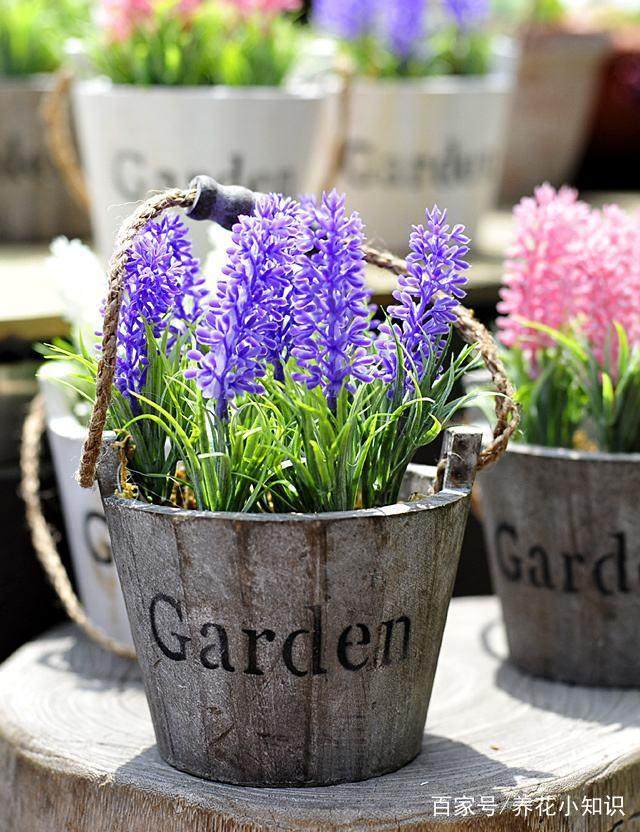
The flowering period refers to the time span from the opening of the first flower to the withering of the last flower. It is an important stage in a plant's growth cycle and a key period for judging its ornamental value. The length of the flowering period varies greatly among different plants; some last only a few days, while others can continue for several months.
According to the flowering season, plants can be roughly divided into spring, summer, autumn and winter bloomers. Plants that bloom in spring mostly enter their flowering period after temperatures warm up, while those that bloom in summer are often heat-tolerant and light-loving. The flowering period of the same plant is also affected by climate, latitude and cultivation environment, and the blooming time may differ noticeably between the north and the south. Light, temperature and water are the main factors affecting the flowering period; when conditions are suitable, flowering is uniform, while unsuitable conditions may delay flowering or even prevent it altogether.
Understanding the flowering period is very helpful for routine care. Plants have a relatively high demand for nutrients and water during the flowering period; before flowering, phosphorus and potassium fertilizer can be added appropriately to help flower bud differentiation and improve flowering quality. During the flowering period, frequent repotting and heavy pruning should be avoided to prevent flowers and buds from dropping. For fruit trees and crops, the flowering period is also a key stage for pollination, and proper management directly affects subsequent fruit set.
Many people encounter the situation where the plants they grow fail to bloom when the time comes. Common reasons include insufficient light, too much nitrogen fertilizer, incorrect pruning timing or the plant not yet being mature. To make the flowering period longer, you can place the plant in an environment with stable temperature and soft light, and promptly remove spent flowers to reduce nutrient consumption, which also gives a better ornamental effect.
Related Reading