Ideal Conditions for Plants: Master the Right Care Conditions and Your Plants Will Thrive and Bloom Abundantly
"Ideal conditions for plants" is a common phrase in plant care, broadly referring to the various conditions and practices suitable for plant growth, usually contrasted with unsuitable practices and taboos. It covers light, water, soil, temperature and fertilizing, and its purpose is to help growers judge what should be done and what should be avoided, so that day-to-day care has clearer direction.
As for light, most ornamental plants are best placed in a bright, well-ventilated spot; sun-loving varieties can take plenty of sun, while shade-tolerant varieties should avoid direct strong midday sun. Watering should follow the principle of letting the soil dry out between waterings: wait until the surface of the potting soil is dry, then water thoroughly in one go, avoiding prolonged waterlogging that causes root rot.
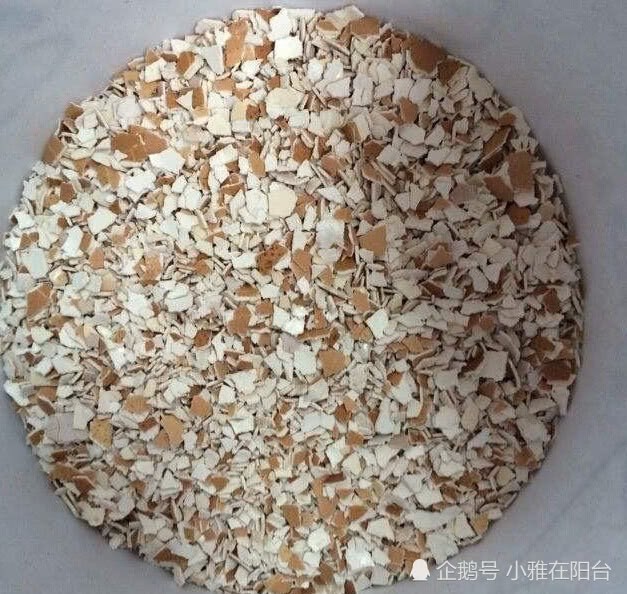
The soil should be loose, fertile, well-draining and airy; you can mix leaf mold, river sand or well-rotted organic fertilizer into garden soil, and treated household waste such as eggshells can also improve the structure of potting soil. As for temperature, most plants are best kept in a warm, stable environment; in early spring, when the temperature difference between day and night is large, they should not be moved outdoors too early, lest the plants be damaged by cold.
Mastering the key points of ideal conditions for plants can make care twice as effective, with plants growing more vigorously and blooming more. For beginners, first understanding the habits of the variety you grow, then arranging care according to suitable conditions, is the key to taking fewer detours and growing flowers well.
Related Reading