An Introduction to the Variety Characteristics and Edible Value of Cauliflower-Type Vegetables
Cauliflower-type vegetables is the collective term for vegetables whose main edible part is the flower structure of the plant; common members include cauliflower, broccoli and daylily. The curds or flower buds of these vegetables are plump, tender and firm, with a fresh, sweet flavor, and they hold an important place on everyday dining tables.
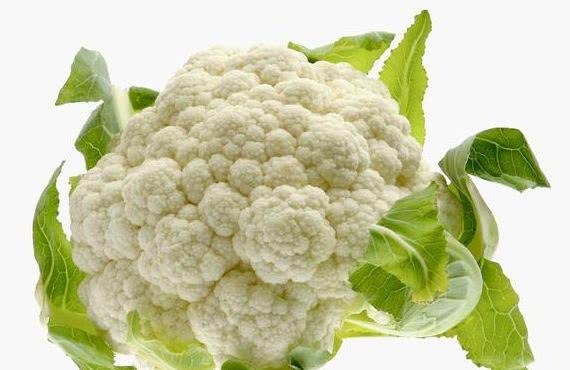
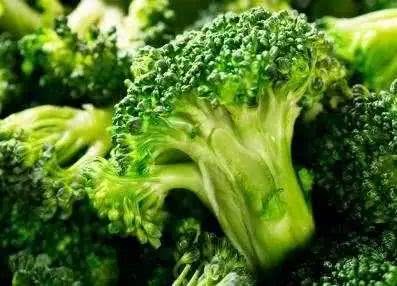
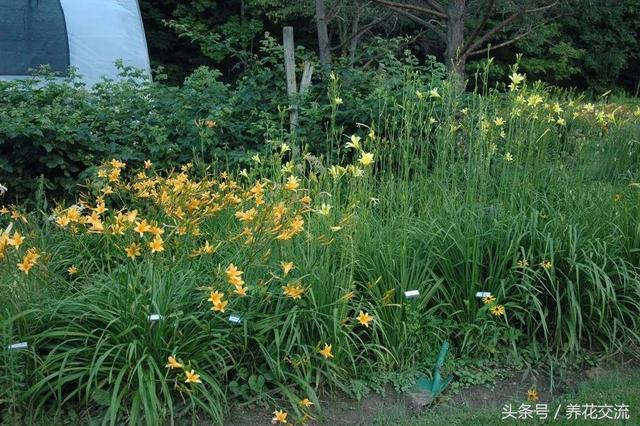
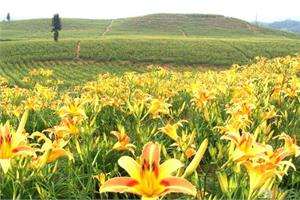
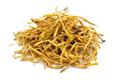
In terms of varieties, cauliflower, also known as caihua, has a milky-white curd as its edible portion; broccoli, commonly called xilanhua, has a dark green curd formed from countless tiny flower buds; daylily, also known as golden needle vegetable, is mainly harvested as unopened flower buds, which are steamed, dried and then eaten; in addition, the flower buds of the globe artichoke can likewise be used in cooking.
In terms of nutritional value, cauliflower-type vegetables generally contain vitamin C, dietary fiber and various minerals, and are low in calories, making them suitable for many cooking methods such as stir-frying, blanching, cold tossing or making soup. When growing them, adequate sunlight and reasonable water and fertilizer management are needed for the curds to grow firm and full.
It should be noted that fresh daylily contains colchicine, and eating it directly in large amounts can easily cause discomfort, so it generally needs to be blanched or made into a dried product before cooking. When selecting cauliflower and broccoli, those with firm curds, even color and no black spots or softness are best; after buying them, they should be eaten as soon as possible to ensure texture and freshness.
Related Reading