Plant daylilies in the yard, and they will bloom with brilliant yellow flowers even without frequent care
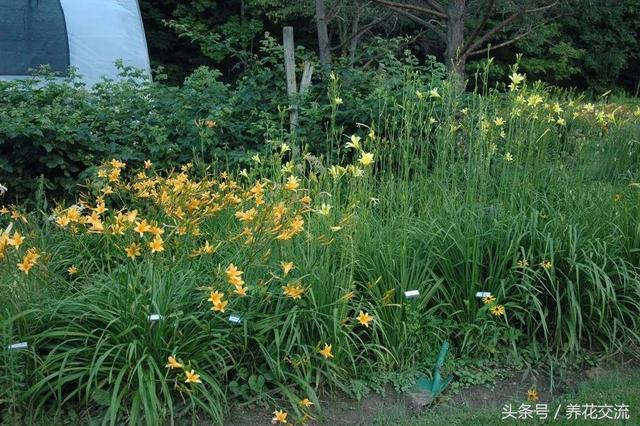
If you want to plant some perennial plants in your yard that bloom without frequent care, ideally non-toxic and harmless, and can also be used as edible flowers, then daylilies can meet your needs. They have extremely strong drought tolerance, like plenty of light, and have good cold tolerance. In winter, as long as it is not too cold, they will not freeze to death.
The daylily is a variety of Hemerocallis, very suitable for planting in the yard. It is not picky about soil and only requires good drainage.
Daylilies bloom especially abundantly. Although each of their flowers lasts only about a day, they produce a huge number of flowers, with dozens blooming within a month.
If you want to eat daylilies, you must pick them before the flowers open, that is, pick the buds.
To grow daylilies well, certain conditions also need to be met. They need as much light as possible. Although they can grow in partial shade, it is very difficult for them to bloom there. With insufficient light, their flowering will decrease and their growth will also be affected to some extent. The growing location should receive at least 6-8 hours or more of direct sunlight each day.
Planting daylilies also depends on the climate. If you are in the north, it is best to plant them after the weather warms in spring. If you are in a more southern region, you can choose to plant them in spring or autumn. They have some cold tolerance, but planting in winter should also be avoided.
When planting daylilies, certain spacing should be maintained. Do not plant them too densely. Leave some space so they can grow vigorously and keep the environment ventilated and well lit.
Cultivating daylilies does not require much fertilizer. Each year, it is enough to give a slow-release organic liquid fertilizer once 2-4 weeks before spring and summer.
Cultivating daylilies also requires regular watering. If they are planted in the yard, you only need to replenish water regularly when they are first planted. After a month, wait until the soil is completely dry before watering thoroughly. After growing for a year, daylilies will become extremely drought tolerant, and after that you only need to replenish water during long periods of drought.
For pot cultivation, choose a relatively large container. Although daylilies do not have great demands for soil fertility, the soil must maintain good drainage and avoid waterlogging.
Daylilies have very few pests and diseases, but you should still pay attention to prevention and control. Once diseased leaves or branches are found, be sure to cut them off promptly and spray fungicides regularly, such as the common zineb and thiophanate-methyl.