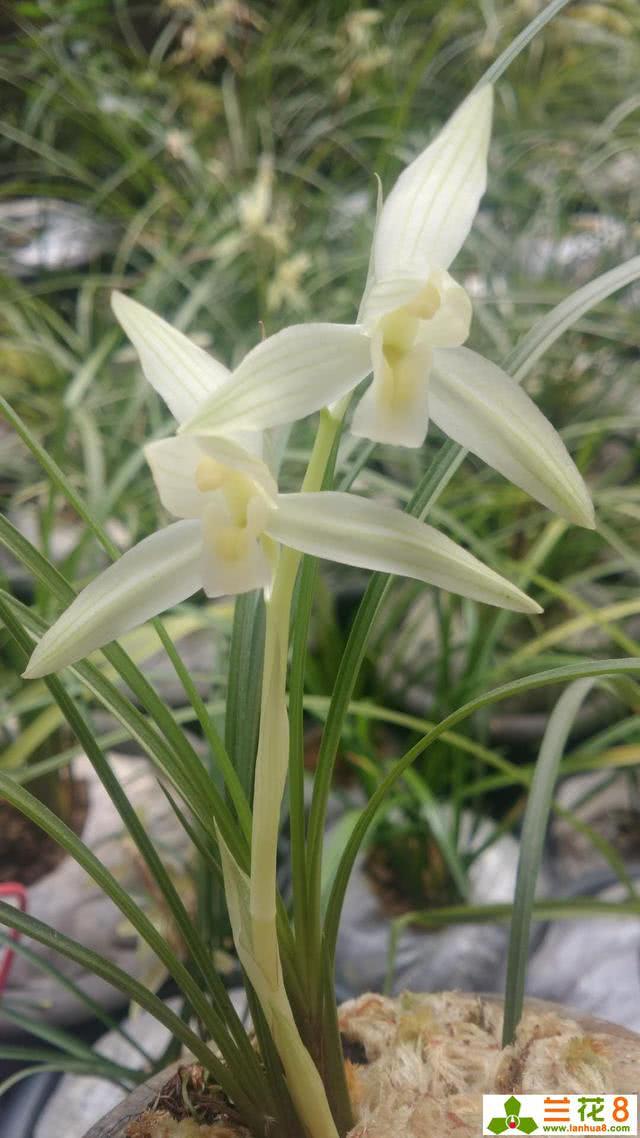
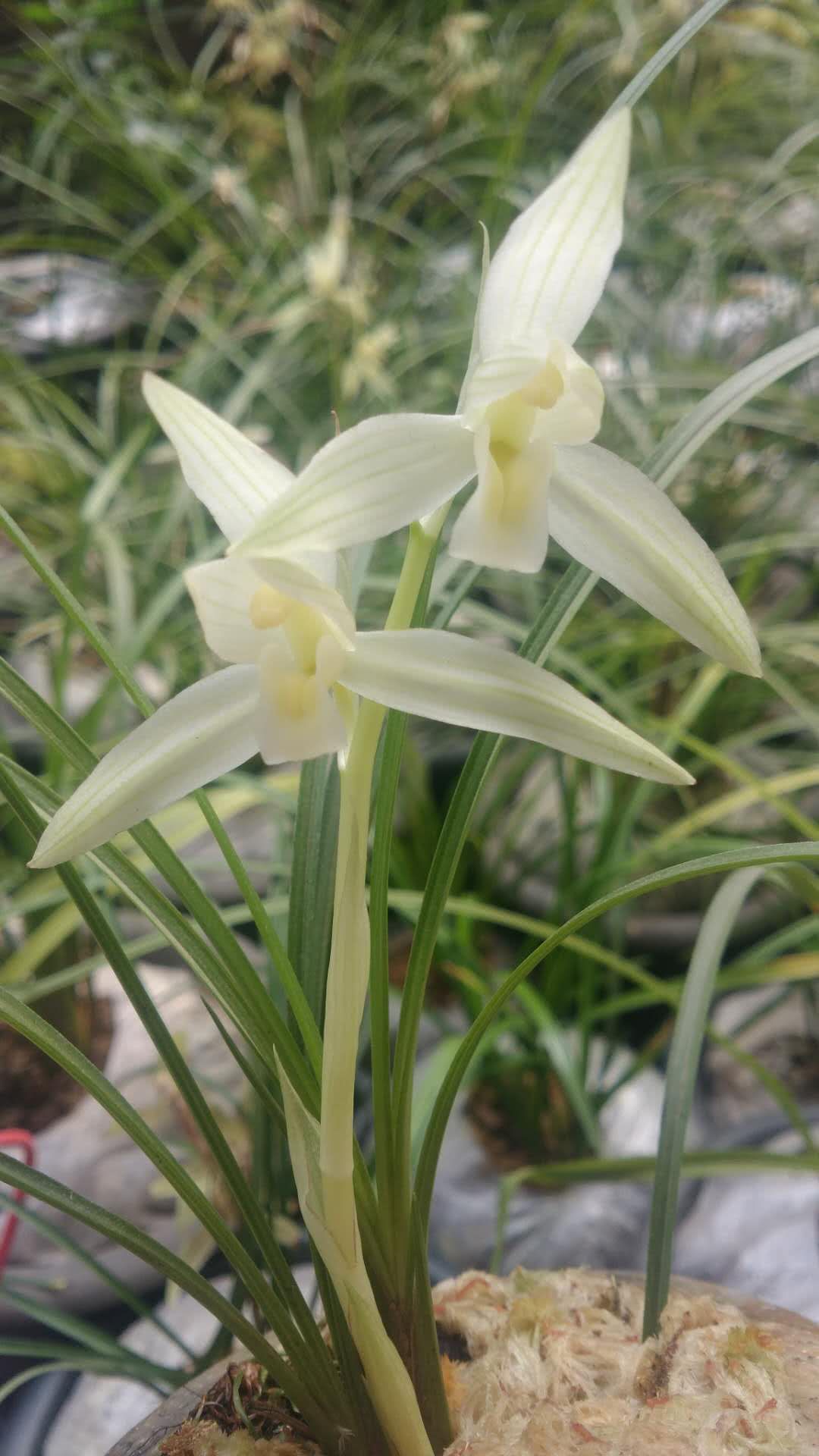
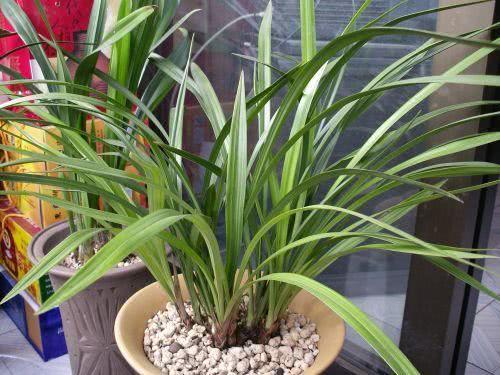
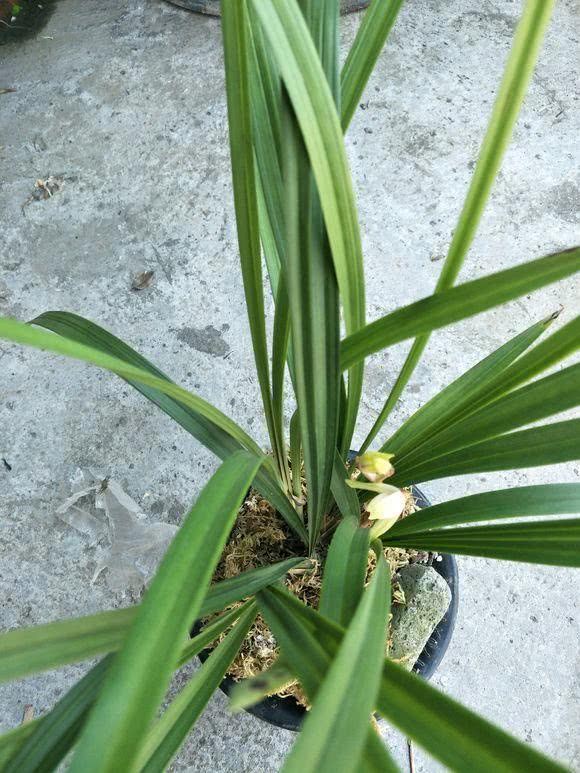
The monkey-faced orchid is a curious ornamental orchid whose flowers closely resemble a monkey's face
The monkey-faced orchid is the collective name for plants in the genus Dracula of the orchid family, so named because the flowers closely resemble a monkey's face; it is also called monkey face orchid, monkey-faced Dracula and similar names. It is native to the cloud forest regions of Ecuador, Peru and other parts of South America, and mostly grows on the forest floor of high-altitude, perennially humid mountain areas. It is a curious ornamental orchid that has attracted considerable attention in recent years.
Its most striking feature is the appearance of its flowers. The arrangement of the sepals and petals naturally forms a pattern resembling eyebrows, eyes, a nose and a mouth; from a distance it looks as if little monkeys are crouching on the branches, vivid in form and extremely easy to recognise. The depth of the markings and the distribution of the colour patches vary from plant to plant, and hardly any two monkey faces are exactly alike.
As for care, the monkey-faced orchid prefers cool, humid conditions and bright, indirect light, and it dislikes intense heat, scorching sun, dryness and stuffiness. For cultivation, choose a loose, airy growing medium, maintain fairly high air humidity and good ventilation, and water so that the medium dries out between waterings; be careful not to let water collect in the crown of the plant, as this can easily cause rot. In regions with high summer temperatures, shading and cooling are needed, while in winter the plant must be protected from freezing.
Because its environmental requirements are rather demanding, the monkey-faced orchid is somewhat difficult to grow in an ordinary home, and the common problems are mostly root rot and wilting, often related to poor ventilation, overwatering or excessively high temperatures. As long as you simulate its cool, humid native environment as closely as possible, it will grow steadily, and its distinctive appearance also makes it a treasure in the eyes of many orchid growers.
Related reading